What is uPVC: A Guide to its Properties and Uses
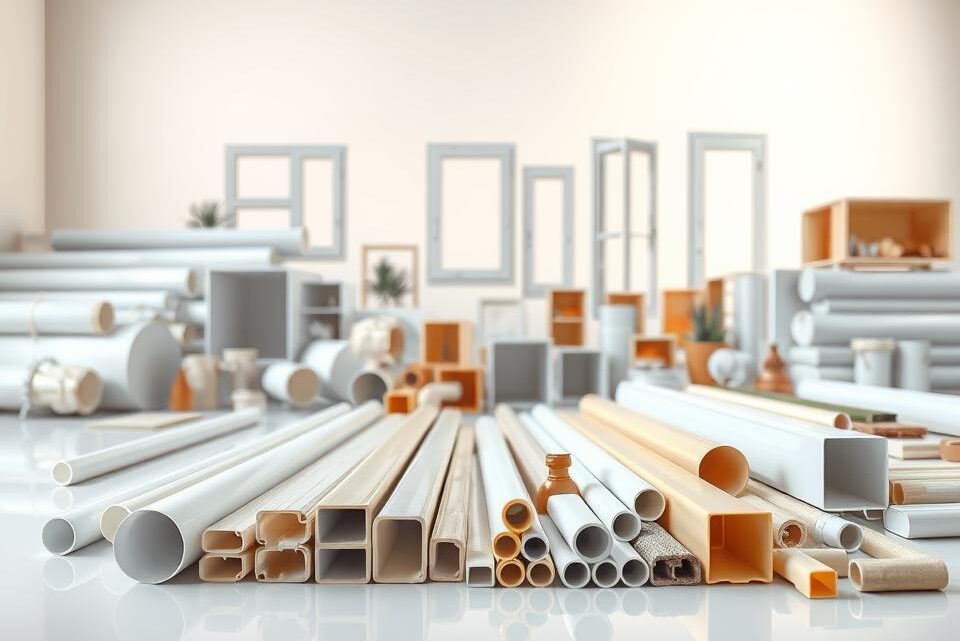
Over recent decades, a particular engineered material has revolutionised home improvement across the United Kingdom. This comprehensive guide demystifies the terminology for homeowners and construction professionals alike.
It explores the definition and chemical makeup of this versatile substance, highlighting how it differs from standard PVC. The guide also covers its wide-ranging applications, from windows and doors to plumbing systems.
Readers will discover the significant advantages this material offers. These benefits include exceptional durability, impressive energy efficiency, and low maintenance needs. It often proves more cost-effective than traditional options like timber or aluminium.
This resource provides a balanced perspective, addressing common questions about environmental impact and long-term performance. It equips individuals with the essential knowledge for confident decision-making on home projects.
Inhaltsverzeichnis
Key Takeaways
- This guide serves as a beginner’s introduction to a dominant modern building material.
- It clarifies technical terms and explains the composition of this engineered substance.
- The material’s versatility is showcased through its use in windows, doors, and drainage.
- Key benefits highlighted include durability, energy savings, and minimal upkeep.
- It offers a balanced view, covering performance, safety, and environmental considerations.
- The aim is to empower readers to make informed choices for their construction projects.
Introduction to uPVC: Definition and Modern Usage
Across UK residential projects, a specific engineered polymer has become the preferred choice for fenestration and external fixtures. This material’s rise to prominence stems from its unique combination of properties that address common construction challenges.
Defining uPVC and Its Basic Characteristics
The acronym uPVC stands for Unplasticised Polyvinyl Chloride, with alternative notations including UPVC and PVCu. The term “unplasticised” indicates the absence of plasticisers, resulting in a rigid material rather than a flexible one.
This polyvinyl chloride compound demonstrates exceptional weather resistance and structural integrity. Its composition features vinyl polymer molecules bound to chloride atoms during manufacturing.
Homeowners need to know that this building material offers low maintenance alongside impressive durability. It withstands exposure to sunlight, chemicals, and moisture without significant degradation.
Historical Context and Growing Popularity in the UK
Unplasticised polyvinyl chloride emerged as a construction alternative during the latter 20th century. It gradually replaced traditional materials like timber and cast iron in various applications.
“The shift towards uPVC in the 1980s coincided with the widespread adoption of double glazing, transforming British home improvement standards.”
The material’s popularity surged as builders recognised advantages over painted wood. Traditional options required regular maintenance, while unplasticised polyvinyl offered long-term reliability.
| Material | Maintenance Frequency | Weather Resistance | Typical Lifespan |
|---|---|---|---|
| uPVC | Minimal | Excellent | 30+ years |
| Painted Wood | Every 3-5 years | Moderate | 15-20 years |
| Aluminium | Low | Good | 25+ years |
Construction professionals need to know about the material’s versatility in finishes and colours. Modern manufacturing allows wood-grain effects and custom shapes for diverse architectural requirements.
What is uPVC and How It Compares to PVC
Material selection often involves choosing between flexible PVC and its rigid counterpart based on application requirements. These two materials share the same polyvinyl chloride base but differ significantly in composition and performance.
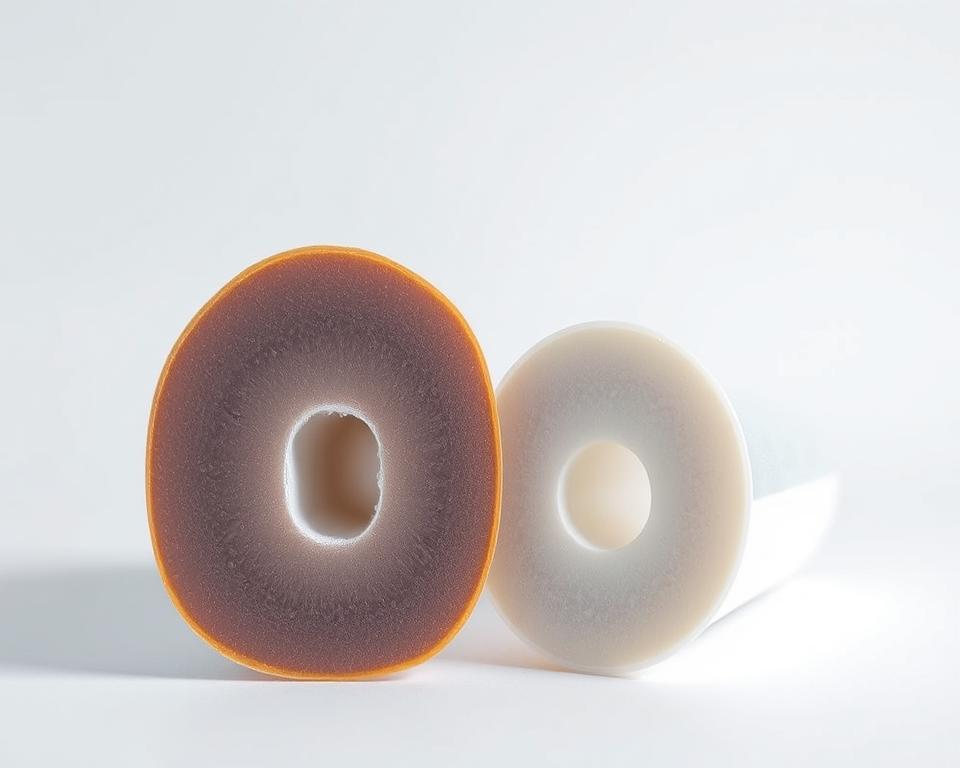
Key Differences between PVC and uPVC
The fundamental distinction lies in plasticiser content. Standard PVC contains chemical additives that make it soft and flexible. This plastic type works well for electrical insulation and inflatable products.
In contrast, rigid PVC lacks these plasticisers. The material maintains its shape under stress, providing structural integrity. This makes it ideal for window frames and water pipes where strength matters.
Environmental and Safety Considerations
Safety differences are significant. Standard PVC may contain phthalates and BPA, raising health concerns. When heated, this material can release potentially harmful gases.
Rigid PVC avoids these problematic additives. It offers a safer choice for residential applications with human contact. The material performs well under temperature variations.
Understanding these terms helps consumers select appropriate materials. In Europe and the UK, rigid PVC has become the construction standard due to stricter regulations.
Advantages of uPVC for Windows, Doors and Home Improvement
Contemporary construction materials offer homeowners unprecedented flexibility in achieving both performance and design goals. These modern solutions provide excellent value while maintaining structural integrity.
Design Options and Aesthetic Finishes
Modern uPVC products feature extensive design flexibility. Homeowners can choose from various window styles including casement, tilt and turn, and traditional heritage designs.
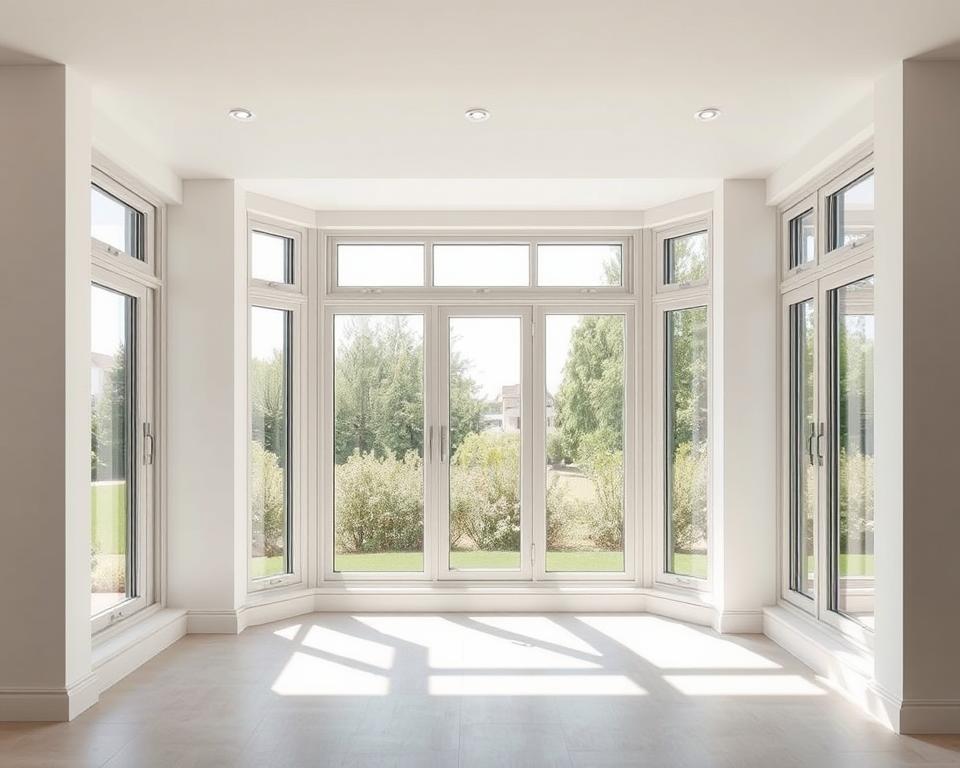
The material’s aesthetic versatility distinguishes it from earlier generations. While white remains popular, contemporary options include cream, grey, black, and custom colours.
Realistic wood-grain finishes convincingly replicate oak and mahogany without maintenance burdens. This range ensures compatibility with any property style.
| Material Type | Maintenance Requirements | Design Flexibility | Cost Comparison |
|---|---|---|---|
| uPVC Frames | Minimal (wipe clean) | High (multiple colours/styles) | Cost-effective |
| Timber Frames | High (regular painting) | Moderate (requires treatment) | Expensive |
| Aluminium Frames | Low (occasional cleaning) | Good (limited colours) | Moderate to high |
These window frames provide excellent strength-to-weight ratios. Steel reinforcement options ensure dimensional stability without warping.
The “fit and forget” benefits eliminate painting and treating cycles. Homeowners enjoy reduced total ownership costs over decades of service.
Energy Efficiency and Low Maintenance Benefits of uPVC
Modern homeowners prioritise two key factors: reducing energy bills and minimising upkeep. This is where the inherent properties of certain building materials deliver significant long-term value.
Thermal Efficiency and Improved Insulation
The energy performance of a home is heavily influenced by its windows. Quality window frames are crucial, as they form the structural support for glazing units.

These frames possess a low thermal conductivity. This means the materials themselves resist heat transfer, acting as a barrier.
Heat stays inside during winter and outside during summer. This natural insulation contributes to consistent indoor temperatures and lower energy consumption.
Advanced profiles include multi-chambered designs. These chambers trap air, creating additional insulation barriers that enhance thermal performance.
Compared to traditional options, these modern materials achieve superior U-values. This measures how effective a building element is at preventing heat loss.
| Window Frame Material | Typical U-Value (W/m²K) | Heat Loss Reduction |
|---|---|---|
| Modern uPVC Frames | 0.9 – 1.4 | Up to 75% |
| Timber Frames | 1.2 – 1.6 | Up to 65% |
| Single Glazed (Reference) | 4.8 – 5.8 | Baseline |
The maintenance benefits are equally compelling. Homeowners save time and money as these windows require no painting or sanding.
A simple wipe with a damp cloth is typically all that’s needed. This ease of maintenance ensures the window frames look new for years.
Over time, this eliminates the cost and hassle associated with refinishing other materials. The robust insulation properties also remain constant, unlike wood which can warp.
Diverse Applications: From Double Glazing to Plumbing
From rooflines to plumbing systems, this durable polymer plays multiple roles in contemporary construction. Its versatility extends across residential and commercial projects throughout the United Kingdom.
The material serves numerous functions beyond its most visible applications. It demonstrates remarkable adaptability in modern building practices.

Utilisation in Windows, Doors, and Drainage Systems
This polymer is the standard choice for double glazing installations. Frames provide excellent support for modern sealed glass units. They accommodate increasingly large glazing areas in contemporary architecture.
Maintenance benefits are significant for window systems. Unlike timber frames requiring full unit replacement, these allow independent glazing replacement. Homeowners can remove internal beading for economical repairs.
The material dominates construction of roofline products. Fascia boards, soffits, and guttering form complete systems. These components resist moisture damage effectively.
In plumbing applications, the polymer has revolutionised water systems. Pipes handle waste efficiently with smooth internal surfaces. They resist chemical erosion from waste water effectively.
| Application Type | Primary Benefits | Common Uses |
|---|---|---|
| Window Frames | Glazing support, thermal efficiency | Double glazing installations |
| Roofline Products | Weather resistance, low maintenance | Fascia, guttering, downpipes |
| Plumbing Systems | Chemical resistance, easy installation | Waste pipes, drainage channels |
Contractors often used this material for complete roofline replacements. The type of project can range from small home improvements to large developments. Construction professionals value the practical advantages.
Additional applications include cladding and architectural features. The material’s weather resistance ensures long-term performance. This versatility makes it indispensable across building projects.
Sustainability, Durability and Safety Considerations
When evaluating materials for long-term building projects, longevity and environmental impact become critical factors. Modern construction demands solutions that balance performance with sustainability credentials.
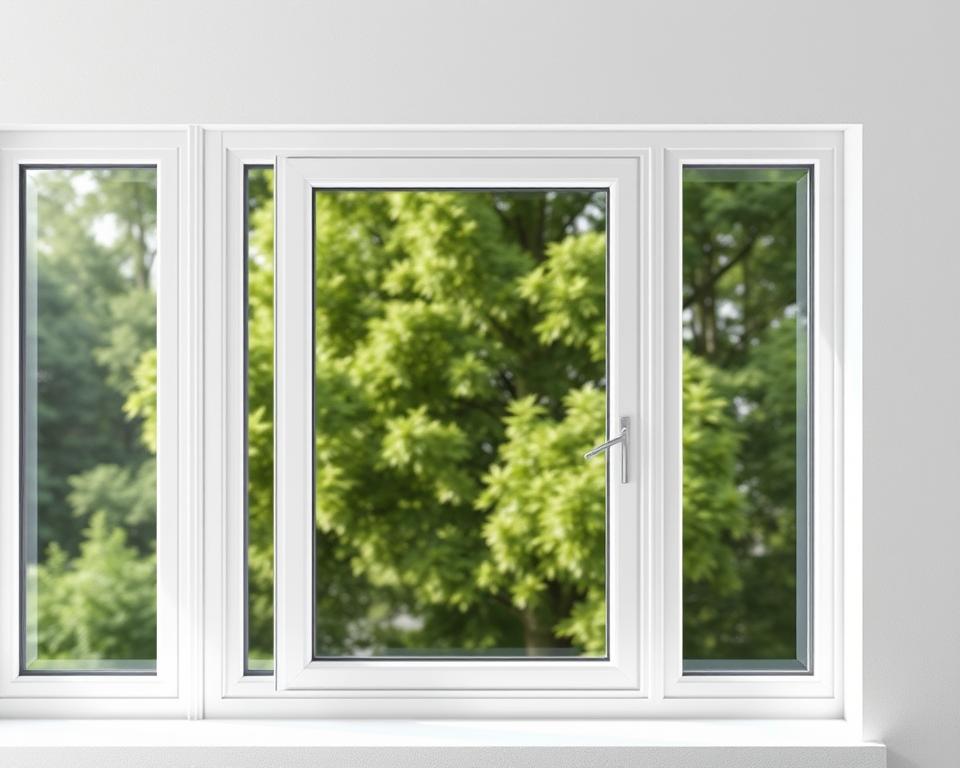
These building products demonstrate exceptional durability that spans decades. Properly installed components typically serve for 25-35 years without significant degradation.
Long-lasting Durability and Reduced Waste
The material resists warping, rotting, and fading despite harsh weather exposure. This maintains both structural integrity and appearance throughout many years of service.
Reduced replacement frequency means less construction waste over a building’s lifetime. This contributes to more sustainable practices compared to shorter-lived alternatives.
Recyclability represents another environmental advantage. Established UK systems recover old frames, grinding them for reuse in new construction products.
Safety Benefits and Environmental Impact
Rigid frames enhance home security through inherent strength. They resist forced entry better than deteriorated timber alternatives.
While plastic materials face environmental scrutiny, the long service life presents a nuanced profile. Energy efficiency contributions further improve the environmental equation.
The total cost of ownership calculation demonstrates superior value across material types. Initial investment pays back through decades of reliable performance with minimal maintenance.
Modern manufacturing incorporates recycled content and energy-efficient processes. These improvements further enhance the sustainability credentials of contemporary building materials.
Conclusion
Unplasticised Polyvinyl Chloride represents a cornerstone of modern British construction. This guide has detailed how this rigid plastic, distinct from standard PVC, delivers exceptional benefits.
Homeowners gain from its durability, energy efficiency, and minimal upkeep. These advantages apply to window frames, doors, and plumbing pipes alike.
Choosing this material over wood or other types offers long-term value. Its performance and recyclability support sustainable home improvement.
This resource empowers informed decisions for any project. Polyvinyl chloride-based products provide a reliable, high-performance solution proven across the UK.
FAQ
How does unplasticised polyvinyl chloride differ from standard PVC?
The primary difference lies in composition. Standard PVC contains plasticisers, making it soft and flexible. Unplasticised polyvinyl chloride is rigid and strong because these plasticisers are omitted during manufacturing.
Why are uPVC frames so popular for double glazing?
uPVC frames are a top choice for double glazing due to their excellent thermal insulation properties. They help keep heat inside the home, which can significantly reduce energy bills and enhance comfort.
What maintenance is required for uPVC windows and doors?
These products are virtually maintenance-free. A simple clean with soapy water is typically all that’s needed to keep them looking new, saving time and effort compared to traditional materials like wood.
Can uPVC be used for applications other than windows?
A>Absolutely. Beyond windows and doors, this versatile material is commonly used for plumbing, drainage pipes, and building cladding due to its durability and resistance to water.
How does uPVC contribute to a building’s energy efficiency?
uPVC frames often feature multi-chambered designs and superior seals. This construction minimises air leakage and, when paired with double glazing, dramatically improves a home’s insulation and energy performance.
Are uPVC products considered a sustainable choice?
A>Yes, they offer sustainability benefits. Their long lifespan reduces the need for replacement, and many uPVC products are recyclable at the end of their life, helping to minimise construction waste.
What range of styles and colours is available for uPVC windows?
Modern uPVC windows come in a vast array of designs and finishes. Homeowners can choose from various colours and wood-effect textures to complement their property’s aesthetic.