What Is a Shed Summerhouse?
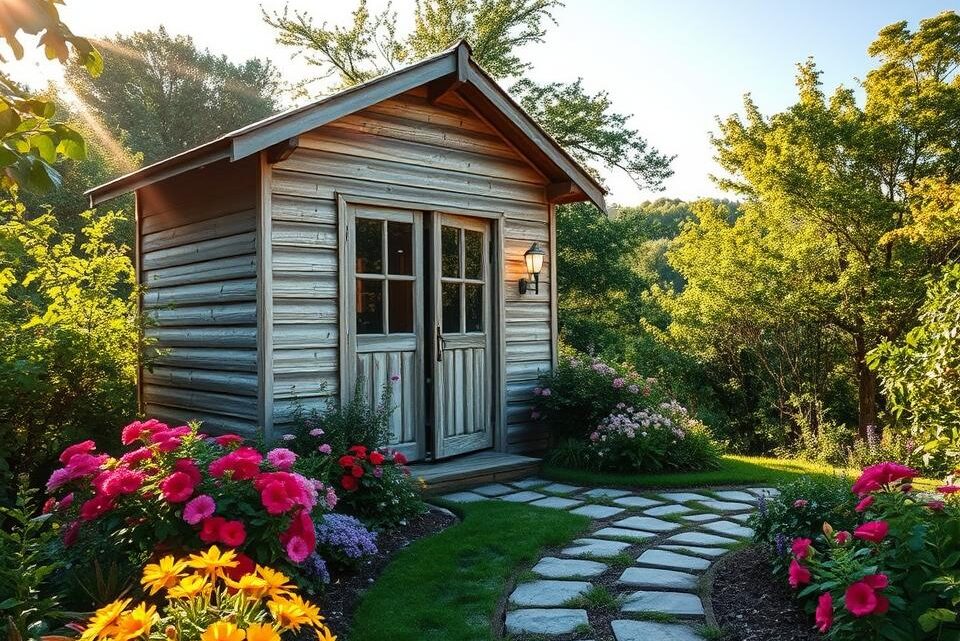
Many UK homeowners dream of enhancing their outdoor space with a practical and attractive garden building. This decision often leads to a common question: what exactly is the difference between a traditional shed and a summerhouse? The terms are sometimes used interchangeably, but understanding their distinctions is crucial.
While a shed is typically used for storage, a summerhouse is designed for relaxation and enjoying the warmer months. However, a hybrid concept exists that combines the best of both. This versatile garden building offers a multi-functional space for hobbies, storage, or simply unwinding.
Choosing the right structure involves considering size, materials, and primary purpose. This guide provides comprehensive advice for homeowners looking to make an informed investment in their garden.
Inhaltsverzeichnis
Key Takeaways
- Garden buildings serve different purposes, from storage to leisure.
- Understanding the distinction between structures is essential for making the right choice.
- Size, materials, and design aesthetics are key differentiators.
- A hybrid building can offer versatile functionality for modern gardens.
- Planning requirements in the UK should be considered before installation.
- The right choice adds significant value and enjoyment to your outdoor space.
Introduction to Shed Summerhouses and Garden Buildings
British homeowners are increasingly embracing garden structures for multiple uses. These versatile additions transform how people utilise their properties. They bridge the gap between indoor comfort and outdoor enjoyment.
Overview of Outdoor Structures
Garden buildings come in various forms to suit different needs. From compact storage solutions to spacious leisure areas, the options are diverse. Timber constructions, particularly those using sustainable Nordic spruce, remain popular choices.
These structures serve numerous practical purposes. Some function as extra storage space for tools and equipment. Others provide comfortable areas for relaxation during the warmer months.
| Structure Type | Primary Function | Typical Size | Common Materials |
|---|---|---|---|
| Basic Storage | Tool & equipment storage | Small to medium | Wood, metal |
| Multi-purpose | Storage & occasional use | Medium | Timber, composite |
| Leisure Building | Relaxation & entertainment | Medium to large | Quality timber, glass |
Relevance for UK Homeowners
These garden additions are particularly valuable in the UK context. They maximise limited outdoor space effectively. Homeowners can create functional areas regardless of property size.
Climate considerations influence design choices. Insulated options extend usability across seasons. Proper planning ensures the structure complements the main house beautifully.
The right garden building adds significant property value. It also enhances daily living quality. Careful selection matches the structure to lifestyle needs and budget constraints.
Defining the Shed, Summerhouse and Garden Room
Homeowners considering outdoor structures benefit from clearly understanding the functional differences between available options. Each building type serves distinct purposes with varying construction quality and intended uses.
Understanding a Traditional Shed
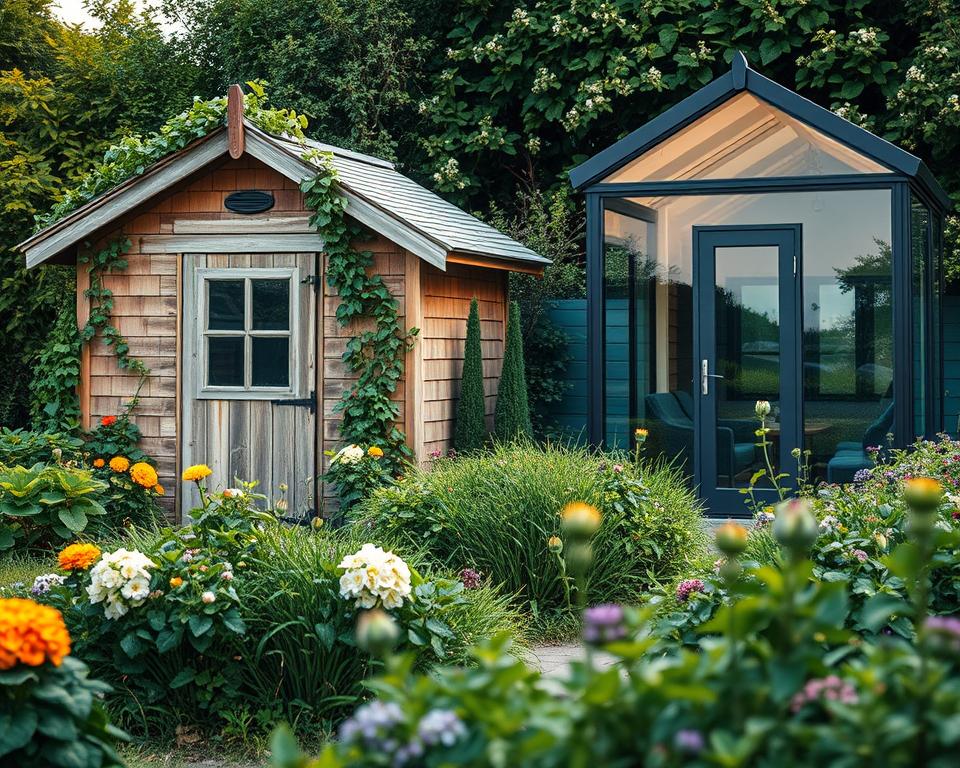
A traditional garden shed primarily functions as utilitarian storage space. These structures typically feature basic construction with thin walls and minimal insulation.
Common materials include wood, metal, or plastic. They house gardening equipment, tools, and outdoor items needing weather protection. Most garden sheds measure around 12×12 feet or smaller.
Characteristics of a Summerhouse
Unlike sheds, summer houses prioritise aesthetics and leisure activities. They feature attractive timber construction with abundant glazing and decorative elements.
These buildings serve as pleasant spaces for relaxation during warmer months. Many include opening walls, porches, and comfortable seating areas.
Exploring the Garden Room Concept
Garden rooms represent premium structures designed for year-round use. They feature full insulation and can integrate utilities like electricity and heating.
These spaces function as true home extensions rather than seasonal buildings. Quality materials and construction ensure comfortable occupancy across all seasons.
What Is a Shed Summerhouse? (Key Features and Benefits)
Combining functionality and aesthetics creates versatile outdoor spaces. These hybrid structures blend storage capabilities with comfortable leisure areas.
Distinctive Design Elements
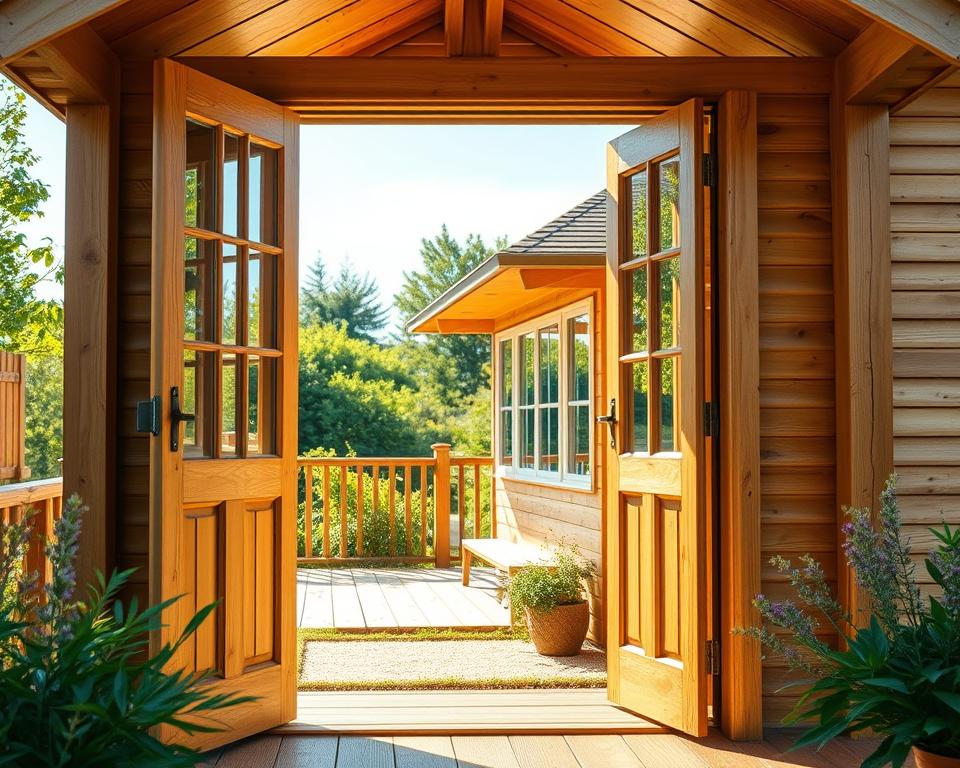
Quality timber construction features both storage and relaxation zones. Divided interior layouts separate practical areas from comfortable living spaces.
Generous window placement allows natural light into leisure sections. Designated storage areas maintain security with minimal glazing.
Attractive external finishes complement garden aesthetics. Internal organisation includes shelving and hooks for efficient storage.
Practical Applications in the Garden
Homeowners benefit from dual-purpose functionality in limited spaces. One structure serves gardening equipment storage and hobby activities.
Positioning considerations balance visibility with practicality. Size determines placement options and potential planning requirements.
Security features like rebated mortice locks protect valuable possessions. This versatile addition maximises garden utility throughout the year.
Design, Aesthetics and Materials
Material choices form the foundation of any garden building’s character and durability. The selection of wood, glass, and insulation options determines both visual appeal and practical performance. These decisions impact how well the structure integrates with its surroundings.

Wood, Glass and Insulation Details
Premium garden buildings often feature slow-grown Nordic spruce from sustainable sources. This timber offers exceptional durability and environmental credentials. Treated wood withstands the variable British climate effectively.
Glazing options vary significantly between basic and premium structures. High-quality versions include double-glazed doors and windows with toughened safety glass. These features enhance energy efficiency and security.
Insulation transforms seasonal buildings into year-round spaces. While basic sheds lack this feature, upgraded models can include proper insulation. This addition makes the space comfortable during colder months.
| Feature | Basic Shed | Premium Summer House |
|---|---|---|
| Primary Material | Rough-hewn wood, metal, plastic | Treated Nordic spruce timber |
| Glazing | Minimal or basic windows | Double-glazed doors and windows |
| Insulation | Typically absent | Available for year-round use |
| Maintenance | Regular treatment needed | Lower maintenance requirements |
Comparative Styles and Finishes
Design options range from traditional cottage styles to contemporary minimalist aesthetics. External finishes significantly impact the building’s appearance. Roofing materials like felt, shingles, or slate offer different visual effects.
Architectural details such as porches or verandas enhance functionality. These features create transitional spaces between indoor and outdoor areas. The right combination balances beauty with practical considerations.
Material choices directly influence maintenance needs. Wooden structures require periodic treatment for preservation. Metal or plastic alternatives often need less upkeep over time.
Planning Permission and Building Regulations
Understanding planning regulations is essential before installing any garden structure in the UK. These rules help maintain neighbourhood character and safety standards.
When is Planning Permission Required?
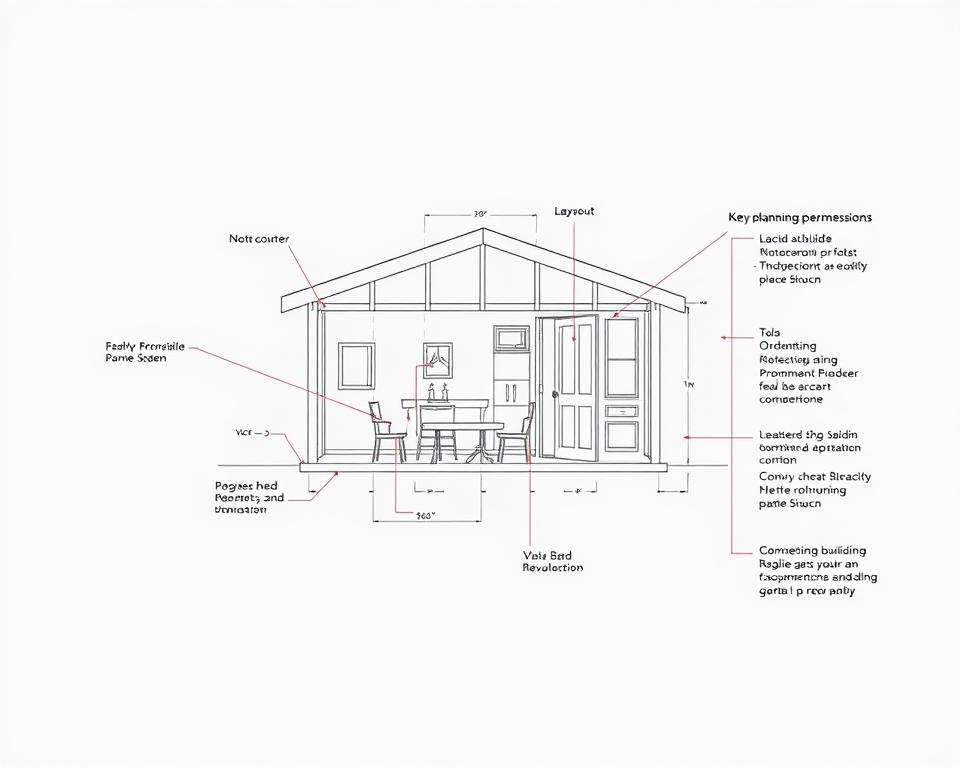
Most garden structures fall under permitted development rights. This means they do not usually require planning permission. However, there are important exceptions.
Structures covering over half the garden area will require planning permission. Height restrictions also apply – buildings over 3 metres with pent roofs or 4 metres with apex roofs need approval.
Special designations like conservation areas have stricter rules. Proximity to boundaries and listed building status can affect requirements.
Guidelines for Permitted Development
Permitted development allows many garden buildings without formal applications. This includes most sheds and smaller summer houses.
Homeowners should still check local regulations. Building regulations might apply for structures with utilities or intended for habitation.
It’s wise to contact local planning authorities before starting any project. They provide specific guidance for individual properties and circumstances.
Keeping records of compliance helps with future property sales. Proper planning ensures garden additions enhance both property value and enjoyment.
Exploring Versatile Uses: From Home Office to Leisure Space
The true beauty of these garden structures lies in their incredible adaptability. They can be tailored to suit a wide range of activities, blending practicality with pleasure.

Transforming into a Home Office or Studio
A dedicated garden room offers an ideal solution for remote working. It provides a quiet, professional environment away from household distractions. This separation helps maintain a healthy work-life balance.
Creative professionals also benefit greatly. The space can become a bright, inspiring art studio or a peaceful writing room. With proper insulation, it functions comfortably all year round.
Functionality for Garden Parties and Guest Rooms
These buildings are perfect for hosting social events. They provide a wonderful setting for family celebrations or relaxed evenings with friends. The structure becomes a hub for entertainment.
It can also serve as a comfortable guest room for visitors. This offers privacy for both hosts and guests. It’s a welcoming addition that adds significant functionality.
Storage, Workspaces and Beyond
Even the most leisure-focused design can incorporate clever storage. A hybrid approach allows for tools and equipment to be stored neatly. This maximises the utility of the entire space.
The potential uses are nearly limitless. From a hobby workshop to a personal gym, these versatile buildings meet changing needs. They offer a flexible solution for modern living.
Conclusion
Making the final decision about garden structures requires balancing practical needs with lifestyle aspirations. The fundamental difference between traditional sheds and summer houses lies in their core purposes.
Basic sheds prioritise utilitarian storage with straightforward construction. Summer houses offer comfortable leisure space for enjoying the warmer months. Hybrid models combine both functions effectively.
Consider available garden space and budget constraints carefully. Many homeowners find that versatile buildings provide the best long-term value. They adapt as needs evolve over time.
Always verify local planning requirements before installation. The right choice transforms outdoor areas into valuable extensions of your home. This investment enhances both property appeal and daily living quality.
FAQ
What is the main difference between a shed and a summerhouse?
The primary distinction lies in their purpose and construction. A traditional garden shed is primarily designed for storage, often built with basic materials and featuring minimal windows. A summerhouse is intended as a leisure space, typically boasting larger windows, better insulation, and a more refined finish to create a comfortable garden room for relaxation.
Do I need planning permission for a shed summerhouse?
In many cases, these garden buildings fall under “Permitted Development” rights, meaning planning permission is not required. However, this depends on specific criteria, including the structure’s size, height, and its position relative to your property boundary. It is always advisable to consult your local planning authority before construction begins.
Can a shed summerhouse be used as a home office?
Absolutely. A well-insulated shed summerhouse with power and lighting is an excellent solution for a garden office. It provides a dedicated, quiet space separate from the main home, which can boost productivity. Many models from companies like Crown Pavilions are specifically designed for this purpose.
What materials are commonly used in their construction?
High-quality timber, such as pressure-treated pine or cedar, is the most common material. This provides durability and a natural aesthetic. Double-glazed windows and doors are standard for better insulation, and options for additional wall and roof insulation are often available to ensure year-round comfort.
How can I make the space suitable for year-round use?
To ensure comfort in all seasons, consider key upgrades. Effective insulation in the walls, floor, and roof is crucial. Adding a small, safe electric heater and ensuring the building has good-quality, draught-proof doors and windows will transform it into a versatile garden room usable even in winter.