What Is Better for Greenhouses: Plastic or Glass Glazing?

Selecting the material for a greenhouse is a fundamental decision for any gardener. This choice goes beyond simple construction. It directly influences the environment where plants will grow and thrive.
Two primary options dominate the market. Each material offers a unique set of benefits. The decision impacts light transmission, temperature control, and maintenance needs.
Understanding these factors is crucial for a successful garden project. This analysis will explore the characteristics of both materials. It aims to provide a clear, balanced perspective to guide your selection.
Inhaltsverzeichnis
Key Takeaways
- The glazing material is a critical choice that affects the entire growing environment.
- Each material has distinct advantages and limitations for different situations.
- Factors like climate, budget, and plant types should guide the selection process.
- Considerations include insulation properties, durability, and long-term maintenance.
- This guide provides a comprehensive comparison to support an informed decision.
Understanding Greenhouse Glazing Options
A greenhouse’s glazing acts as its skin, mediating the relationship between the external world and the cultivated plants within. This barrier is fundamental to creating a controlled environment for optimal growth. It shields delicate flora from harsh weather while managing light and temperature.
Before choosing materials, gardeners should assess their specific plants‘ needs. Orchids, for example, thrive under diffused light, while tomatoes demand maximum direct sunlight. The right glazing type makes year-round cultivation possible.
The Role of Glazing in Creating the Ideal Environment
Effective greenhouse glazing balances several critical factors. It must allow ample sunlight for photosynthesis. It also needs to retain warmth during colder months.
Simultaneously, it should prevent overheating in summer. The materials provide physical protection from wind, rain, and even hail. This careful balance ensures a stable environment for healthy plants.
Historical Versus Modern Materials
For centuries, glass was the standard for greenhouse construction. Victorian gardeners prized its clarity and availability. This traditional design has a classic appeal.
Modern advancements have introduced new materials like polycarbonate. These options often provide superior insulation and impact resistance. They also offer better light diffusion properties.
| Feature | Traditional Glass | Modern Polycarbonate |
|---|---|---|
| Primary Advantage | Superior clarity and traditional aesthetic | High impact resistance and insulation |
| Light Handling | Direct light transmission | Excellent light diffusion |
| Durability Concern | Can be brittle and prone to breakage | UV-stabilised to prevent degradation |
| Common Design | Single pane sheets | Twin-wall or multi-wall panels |
This expanded range of materials allows for a more tailored greenhouse design. Understanding this evolution is key to making an informed choice for any gardening project.
Material Comparison: What Is Better for Greenhouses: Plastic or Glass Glazing?
When evaluating glazing options, two critical factors emerge as decisive for plant health. These elements separate traditional from modern approaches to greenhouse construction.
The choice between materials ultimately comes down to their handling of light and temperature. Each option creates a distinct growing environment.
Light Transmission, Diffusion and Impact on Plant Growth
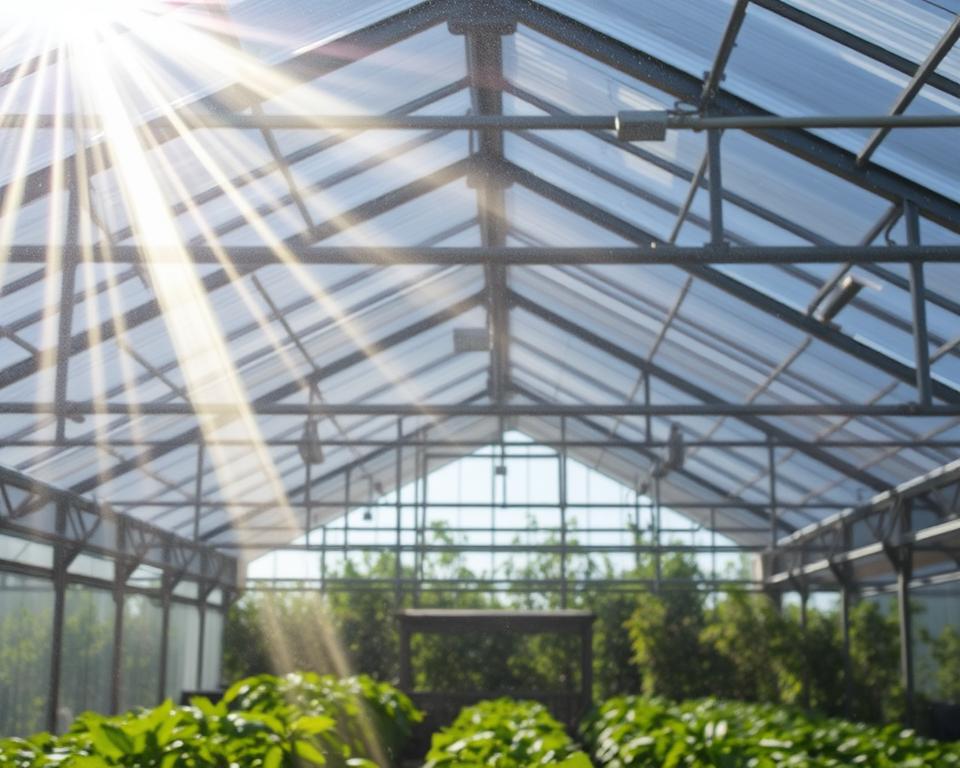
Glass provides exceptional clarity with high light transmission rates approaching 90%. This allows maximum sunlight penetration, benefiting light-hungry species.
However, polycarbonate panels excel at light diffusion. They scatter sunlight evenly throughout the structure.
This eliminates hot spots and shadows that can cause uneven plant growth. Research indicates diffused light penetrates deeper into plant canopies.
It leads to more efficient photosynthesis and potentially faster development.
Insulation, Heat Retention and Energy Efficiency
Thermal performance varies significantly between these material types. Single-pane glass offers minimal insulation value.
It heats quickly in sunlight but loses warmth rapidly after dark. This can necessitate supplemental heating in colder climates.
Multi-wall polycarbonate structures contain insulating air pockets. They maintain more stable temperatures throughout day and night cycles.
This thermal stability can reduce heating costs by 30-50% compared to basic glass installations. The energy efficiency benefits are substantial for year-round cultivation.
Benefits and Drawbacks of Glass Glazing
The timeless appeal of a glass greenhouse is often its primary draw. This material choice brings a set of distinct characteristics that gardeners must evaluate thoroughly.
Aesthetic Appeal and Superior Clarity
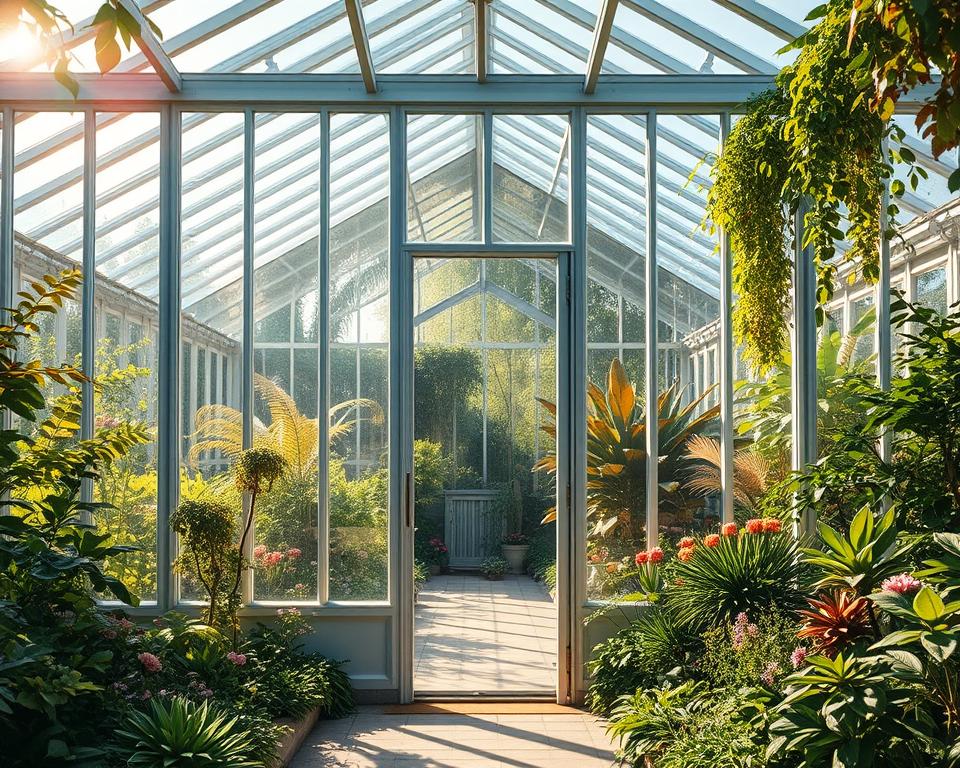
Glass greenhouses offer an unobstructed view and a classic look that many find irreplaceable. The crystal-clear glass maintains its visual clarity for many years, never yellowing or clouding.
This makes it ideal for display-oriented growing. It creates an attractive focal point in any garden, blending seamlessly with traditional designs.
Durability, Maintenance and Safety Considerations
While glass boasts exceptional longevity and resists scratching, it is vulnerable to impact damage. Hail or falling branches can easily break standard panels.
Safety is a crucial concern. Tempered greenhouse glass is a wiser choice, as it fragments into small, less hazardous pieces upon breakage.
Maintenance requires time and effort. Regular cleaning is essential to maintain light transmission, especially in areas with hard water. The initial cost is high, often necessitating professional installation due to heavy panels and the need for a sturdy frame.
However, over decades, this investment can prove cost-effective due to the material’s enduring quality, minimising the need for replacement.
Advantages and Limitations of Plastic and Polycarbonate Glazing
Modern materials offer a compelling alternative to traditional choices, bringing unique benefits to the table. These options deserve careful consideration for any new structure.
Their practical advantages often make them a top choice for gardeners seeking value and durability.
Cost-Effectiveness and Ease of Installation
A primary advantage of polycarbonate is its budget-friendly nature. These panels can reduce initial cost by up to 60% compared to glass.
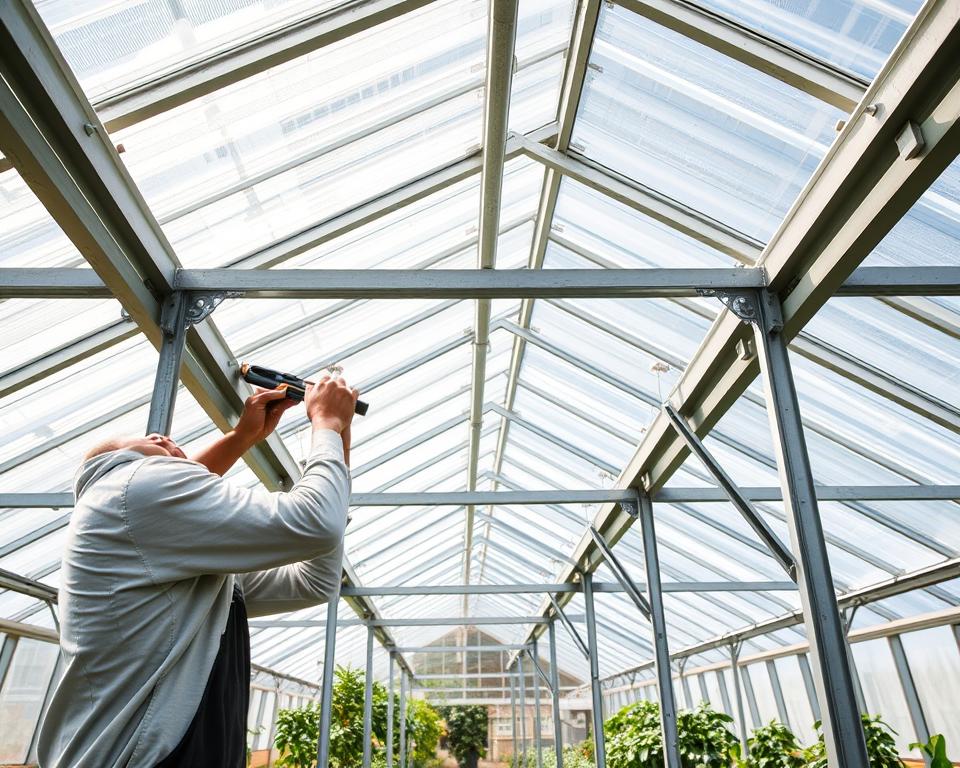
The lightweight quality of the sheets lowers shipping expenses. It also enables straightforward DIY assembly, saving on labour.
Standard tools can cut the panels to size. This flexibility simplifies the entire building process.
Impact Resistance, Longevity and Environmental Factors
Polycarbonate boasts exceptional strength, offering superior protection against impact damage. It can flex under pressure rather than shatter.
This resilience provides excellent safety and withstands harsh weather conditions. However, longevity has a limit.
UV exposure can cause yellowing over years, and replacement may be needed after a decade. Proper insulation requires careful sealing to prevent moisture issues.
Despite these factors, it remains a robust choice for greenhouse glazing.
Factors Influencing Glazing Decisions for Your Greenhouse
Personal circumstances and gardening ambitions play a crucial role in determining the optimal glazing solution. The ideal choice depends on multiple individual factors rather than universal recommendations.
Climate, Location and Specific Plant Needs
Regional weather patterns significantly impact glazing performance. Cold climates benefit from polycarbonate’s superior insulation, while mild regions may find glass adequate.
Site-specific considerations include proximity to trees and exposure to prevailing winds. Light-sensitive plants like orchids thrive under polycarbonate’s diffusion, whereas heat-loving vegetables prefer glass’s direct transmission.
Budget Considerations and Long-Term Investment
Financial planning extends beyond initial purchase price. Installation expenses, ongoing maintenance, and heating costs contribute to the total investment.
| Cost Factor | Glass Glazing | Polycarbonate Glazing |
|---|---|---|
| Initial Investment | Higher upfront cost | Lower entry price |
| Installation Complexity | Often requires professional help | DIY-friendly approach |
| Longevity Expectancy | 20-30 years with minimal replacement | 10-15 years before potential replacement |
| Energy Efficiency | May require supplemental heating | Superior insulation reduces costs |
Seasonal gardeners might prefer polycarbonate’s affordability, while serious growers often justify glass’s premium as a permanent investment. The decision should align with both immediate budget and long-term gardening goals.
Conclusion
Determining the right protective layer for a growing structure requires careful assessment of multiple variables. The optimal choice depends entirely on individual circumstances and gardening ambitions rather than universal superiority.
Glass remains the preferred material for those valuing traditional aesthetics and maximum light clarity. Its exceptional longevity makes it a sound investment for permanent installations with adequate budgets.
Polycarbonate sheets offer practical benefits for budget-conscious gardeners and harsh climate conditions. Their superior insulation properties and impact resistance provide excellent value.
Quality glazing represents a long-term investment regardless of material selection. Ongoing innovations continue to enhance both options, combining the best features for optimal plant growth environments.
FAQ
Which glazing material offers better light transmission?
Glass typically provides superior clarity and high light transmission, which is ideal for plants requiring intense sunlight. However, polycarbonate panels often diffuse light more evenly, reducing shadows and preventing plant damage from direct rays.
How does the insulation compare between plastic and glass?
Multi-wall polycarbonate sheets generally offer better thermal insulation than single-pane glass. This improved heat retention can lower heating costs and protect plants during colder months, making plastic a strong choice for energy efficiency.
Which option is more durable and resistant to damage?
Polycarbonate glazing is significantly more impact-resistant than glass, standing up well to hail, falling branches, and accidental knocks. Glass, while scratch-resistant, is brittle and can shatter under stress, posing a safety risk.
What are the cost differences between these materials?
Initially, polycarbonate panels are often more affordable than glass, especially for larger structures. Glass may have a higher upfront cost, but its longevity can make it a sound investment over many years, with less need for replacement.
How does each material affect the growing environment?
Glass allows for high light transmission, suiting heat-loving plants. Polycarbonate provides excellent light diffusion, which can prevent leaf scorch and promote uniform growth. The choice depends on the specific needs of the plants being cultivated.
What maintenance is required for glass versus plastic glazing?
Glass surfaces are easy to clean and maintain their clarity over time. Polycarbonate can accumulate dust and may yellow with prolonged UV exposure, though many modern panels include UV-protective coatings to mitigate this issue.
Is one material more suitable for certain climates?
In regions with harsh winters, the superior insulation of multi-wall polycarbonate helps conserve heat. In milder, sunny climates, glass can maximise light intake. Local weather patterns should guide the selection to ensure optimal plant health.
How does glazing choice impact the lifespan of a greenhouse?
High-quality horticultural glass can last for decades with minimal degradation. Polycarbonate may need replacing after 10-20 years due to clouding or damage, though it offers excellent impact resistance throughout its service life.
Are there safety concerns with using glass in a garden setting?
Yes, standard glass can break into sharp pieces, presenting a hazard. Toughened or laminated safety glass is available to reduce this risk, but it increases the overall cost compared to standard panes or plastic alternatives.
Can glazing affect the aesthetic of a garden or property?
Glass greenhouses often have a traditional, elegant appearance that many gardeners prefer. Polycarbonate structures tend to have a more modern, functional look. The decision may depend on personal taste and the desired garden design.