Choosing the Right Shed Cladding for Your Needs
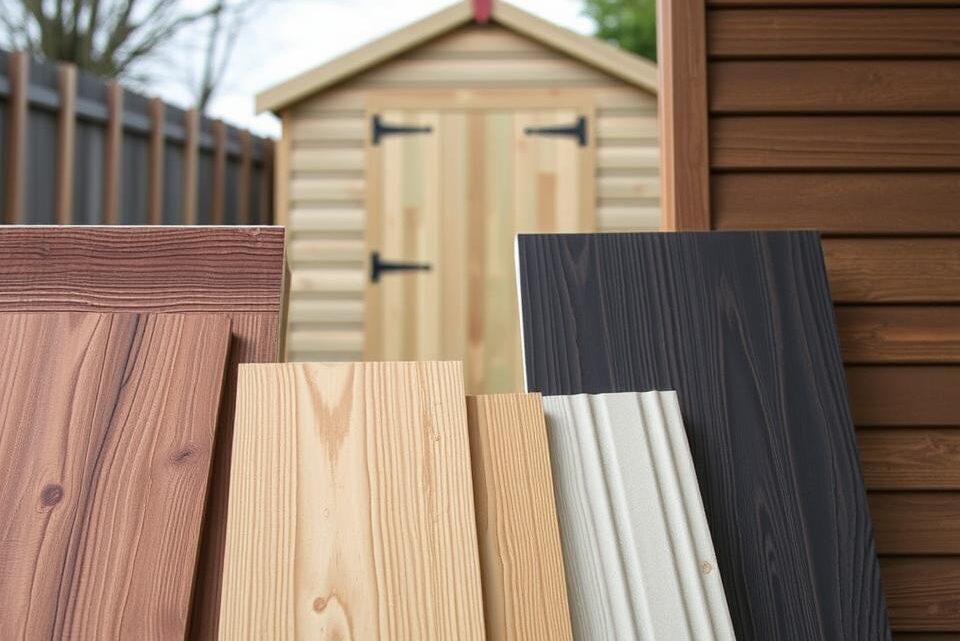
This article helps UK homeowners, gardeners and small business owners choose the right shed cladding for garden sheds, workshops and outbuildings. It covers materials, performance, maintenance, cost, installation and thermal and environmental considerations relevant to the UK climate.
Shed cladding choice ranges from basic garden tool stores to fully insulated garden rooms. The cladding you pick affects weatherproofing, rot prevention, fire performance and planning constraints, so understanding trade-offs such as longevity versus cost is essential.
We reference leading suppliers such as Wickes, Jewson and Travis Perkins, and the guidance you should consult from the Planning Portal and British Standards including BS 5234 and applicable Building Regulations. The article moves from fundamentals to specific materials, then budgeting, maintenance, insulation, aesthetics, installation and sustainability, ending with practical recommendations.
Inhaltsverzeichnis
Key Takeaways
- Choosing shed cladding means balancing cost, durability and appearance for your intended use.
- Different shed exterior options suit tool stores, workshops and insulated garden rooms.
- Consult suppliers like Wickes, Jewson and Travis Perkins and standards such as BS 5234.
- Consider long-term maintenance and lifecycle costs when choosing the best shed cladding UK.
- Climate, planning rules and fire performance should guide your final decision on garden shed cladding.
Understanding Shed Cladding: Basics and Benefits
Understanding what is shed cladding starts with recognising it as the external covering fixed to a shed’s structural frame or subframe. Common formats include horizontal or vertical timber boards, metal panels, UPVC, composite boards, fibre cement and engineered boards. The right choice affects how a shed performs and looks.
What cladding is and why it matters for sheds
Cladding is the first line of defence against rain, wind and UV. It controls water shedding, breathability and compatibility with framing materials. Good detail, such as overlaps, flashings and ventilated cavities, prevents trapped moisture and reduces the risk of decay.
Primary functions: protection, insulation and aesthetics
The main functions of cladding are practical and visual. For shed protection, cladding stops water ingress and lowers the chance of timber rot, insect attack and mould. Combined with insulation boards, breather membranes and internal linings, cladding contributes to the thermal envelope. Some materials, for example aluminium or steel, are thermally neutral and need added insulation to perform well.
Cladding also defines shed aesthetics. Choices range from rustic shiplap timber to contemporary metal panels and painted composite finishes. The visible style influences garden appearance and can affect planning considerations in sensitive areas.
How cladding affects longevity and maintenance
Different materials deliver different life expectancies. Pressure-treated softwood, hardwood and cedar vary in durability. Metals resist rot but may corrode without proper coatings. UPVC and composite boards typically need little upkeep. Understanding shed maintenance impact helps predict redecorating frequency and total cost of ownership.
Best practice improves lifespan. Use breathable membranes where needed, keep ventilation clear to avoid condensation, and choose stainless steel or galvanised fixings. Follow manufacturer guidance for coatings and treatments to protect finishes and structural timber.
Common Shed Cladding Materials and Their Characteristics

Choosing the right material shapes a shed’s lifespan, appearance and upkeep. Below is a concise guide to the most used options, their strengths and what to watch for when specifying cladding for garden buildings in the UK.
Timber remains popular for its natural look and ease of installation. Softwoods such as Scots pine, larch and cedar are often pressure-treated to meet durability standards. Hardwoods and modified timbers like Accoya give longer life where exposure is severe. Profiles such as shiplap, tongue-and-groove and featheredge alter water run-off and the finished appearance. Treatments range from copper-based pressure impregnation under BS EN 351 to stains and paints that prolong life. Typical life expectancy varies: treated softwood 10–20 years and cedar, larch or Accoya 20–50 years depending on maintenance and exposure. Consider timber shed cladding where aesthetics and traditional finish matter.
Metal offers strength, wind resistance and low maintenance for modern or industrial-style sheds. Common options include galvanised steel with PVDF or polyester coil coatings, stainless steel and aluminium. Profiles such as box profile, corrugated and standing seam influence rigidity and visual style. Corrosion resistance relies on galvanising, high-quality coatings and careful edge protection. Aluminium resists corrosion naturally but dents more easily. Use metal shed cladding where durability and fire resistance are priorities.
UPVC and composite products cater to those seeking low upkeep. UPVC cladding is rot-proof, affordable and comes in many finishes, though long-term UV exposure can lead to brittleness or discolouration. Composite cladding, often wood-plastic composite (WPC), blends recycled wood fibres with polymers. Brands available in the UK supply low-maintenance boards that mimic timber grain and carry warranties. Both systems require correct fixings and allowance for expansion; composite cladding may trap moisture if ventilation is inadequate. UPVC cladding suits budget-focused projects; composite cladding suits those wanting a timber look with less maintenance.
Fibre cement and engineered boards provide robust performance where durability and fire resistance are essential. Cement-bonded boards, from manufacturers such as James Hardie, are rot-proof and offer strong fire performance. Engineered boards include coated OSB and cement-bonded particle boards for heavy-duty external use. These options are heavier and need appropriate fixings and substructure. Many fibre cement shed boards achieve favourable Euroclass reaction-to-fire ratings, making them suitable where regulation or risk demands higher fire performance.
| Material | Key Benefits | Typical Issues | Lifespan (typical) |
|---|---|---|---|
| Timber (cedar, larch, Accoya) | Natural appearance, easy to work, repairable | Requires regular finishing or treatment; susceptible to rot if untreated | 10–50 years depending on species and maintenance |
| Metal (galvanised steel, aluminium) | High strength, low maintenance, fire-resistant | Can dent (aluminium); corrosion if edges not protected | 30+ years with proper coatings |
| UPVC cladding | Low cost, rot-proof, low maintenance | Can become brittle or discolour in strong UV; limited colour stability | 15–30 years depending on exposure |
| Composite cladding | Wood-like look, low maintenance, recycled content | Requires ventilation; thermal expansion needs consideration | 20–30 years with correct installation |
| Fibre cement shed boards | Durable, rot-proof, strong fire resistance | Heavy; needs suitable fixings and handling | 30+ years with correct installation |
What’s the Right Shed Cladding for Your Needs?
Choosing the right shed cladding starts with the shed’s purpose and the local climate. Match material to use, check how UK weather cladding will affect performance, and weigh cladding trade-offs so the final choice suits both budget and lifespan.
Matching cladding type to intended use of the shed
For a simple storage or tool shed, cost-effective options such as pressure-treated timber, UPVC or lightweight steel work well. These choices give basic weatherproofing and require minimal insulation.
Workshops and garden rooms need better thermal performance and durability. Insulated composite panels, timber with internal insulation, or insulated metal panels improve comfort and reduce running costs.
Potting sheds and greenhouse-style outbuildings demand moisture-resistant cladding and good ventilation. Avoid trapped cavities that encourage rot and mould in wet seasons.
Commercial outbuildings should use robust, fire-resistant materials like fibre cement or heavy-gauge metal to meet building regulations and provide long service life.
Considering climate and local weather patterns in the UK
Coastal sites face salt-laden air that speeds corrosion. Choose aluminium, stainless steel or well-treated hardwoods for a longer lifespan in these locations.
High rainfall or humid areas need breathable membranes, elevated substructures and ventilated cladding systems to reduce damp and timber decay.
Windy locations require secure fixings, interlocking profiles and heavier gauge metals or solid timber fixings to withstand uplift and movement.
Balancing cost, aesthetics and performance
Set priorities early: immediate budget limits versus long-term durability. A cheaper option may mean higher maintenance and earlier replacement.
Think about resale value and garden appearance. Higher-spec cladding such as Western Red Cedar or painted shiplap can enhance property appeal and command better returns.
Check warranties and brand reputation before you choose. Manufacturer guarantees from respected names like Marley or Sherwood Forest Timber can range from 10 to 25 years and influence long-term value.
| Use case | Recommended cladding | Key benefit | Main trade-off |
|---|---|---|---|
| Storage / Tool shed | Pressure-treated timber, UPVC, lightweight steel | Low cost, basic weather protection | Limited insulation, more frequent upkeep |
| Workshop / Garden room | Insulated composite panels, timber + insulation, insulated metal | Good thermal performance, durable | Higher upfront cost, complex installation |
| Potting shed / Greenhouse | Moisture-resistant cladding, ventilated timber | Resists rot, supports plant humidity | May need specialist venting and treatments |
| Coastal or exposed sites | Aluminium, stainless steel, treated hardwood | Resists corrosion, long-lasting in salt air | Higher material cost, skilled fixings required |
| Commercial outbuilding | Fibre cement, heavy-gauge metal | Fire resistance, regulatory compliance | Higher initial spend, professional installation |
Budget Considerations: Cost Comparison and Long-Term Value
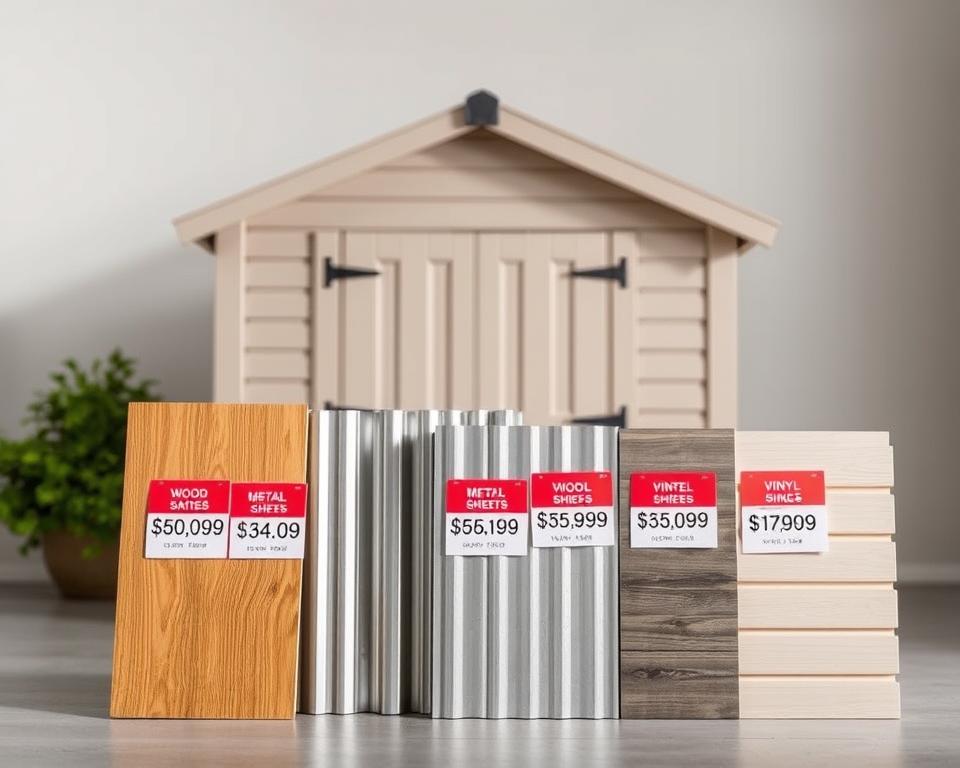
Choosing cladding means weighing upfront price against real-world performance. A lower shed cladding cost can look attractive at purchase. Long-term thinking shifts focus to cladding lifecycle cost and the likely maintenance over years.
Upfront costs versus lifecycle costs
UPVC and basic treated softwood usually sit at the bottom of the price range per m². Cedar, Accoya and aluminium sit mid-to-high. Fibre cement and high-grade steel often demand the highest initial spend. Checking manufacturer warranties and expected service life helps turn a quoted price into a lifetime projection.
Maintenance expenses and frequency by material
Timber needs re-staining or repainting every 3–8 years, depending on finish. Pressure-treated timber cuts frequency but does not remove the need for care. Metal cladding benefits from occasional cleaning and rust checks. Pre-painted steel may need repainting after many years. Aluminium is largely maintenance-free. UPVC and composite require simple cleaning; composites can last 20–30 years before replacement. Fibre cement demands minimal upkeep but needs correct fixings and occasional repainting if finished.
When to invest in premium cladding
A premium cladding investment makes sense for long-term garden rooms, home offices or workshops where downtime is costly. Coastal sites and exposed locations justify higher-spec materials to resist corrosion and rot. Better materials can improve curb appeal and property value. Use whole-life costing calculators to compare options and factor in maintenance cost cladding, replacement likelihood and service guarantees.
For a practical comparison, balance initial shed cladding cost against projected cladding lifecycle cost and likely maintenance cost cladding. That will reveal when a premium cladding investment truly pays off.
Durability and Maintenance Requirements
Good shed cladding maintenance starts with regular inspection and quick action. A simple schedule cuts long-term costs and keeps a shed weatherproof. Focus on ventilation, fixings and surface condition to spot early problems.

Timber maintenance is hands-on. Check for rot, insect activity and splitting. Clean surfaces, sand where the finish has failed and re-stain or repaint before moisture sets in. Replace any soft or spongy boards and lift raised nails.
Metal cladding care needs attention at seams and fasteners. Look for rust spots, blistering paint and corrosion at cut edges. Treat surface corrosion promptly, maintain factory coatings and replace damaged flashings to preserve weatherproofing.
UPVC, composite and fibre cement need gentler care. Wash with a mild detergent, inspect for cracks or warping and ensure sealants and fixings remain secure. Address any joint delamination quickly to prevent moisture ingress.
Recognise early signs of cladding wear. For timber, watch for peeling finishes, mould growth and shrinkage gaps. For metal, look for blistering paint and fastener corrosion. For composites, note fading, brittleness or loss of mechanical interlock.
Decide when to repair or replace by assessing extent of damage. Localised faults suit targeted repair or board replacement. Widespread decay, repeated fixes or compromised weatherproofing usually mean replacement. Consider upgrading if you need better insulation or fire performance.
Use protective cladding treatments to extend life. For timber, choose vacuum-pressure treated softwood that meets British Standards, water-repellent treatments and microporous paints. For metal, specify galvanisation, powder coat or PVDF topcoats and seal cut edges.
Adopt good details and components. Fit breathable membranes and adequate cavity ventilation to reduce condensation. Use corrosion-resistant fixings such as stainless steel or hot-dip galvanised screws. Select sealants compatible with the cladding material.
| Material | Typical Tasks | Key signs of wear | Suggested protective cladding treatments |
|---|---|---|---|
| Timber | Inspect for rot, clean, sand, re-stain/repaint, replace boards, ensure ventilation | Soft/spongy boards, peeling finish, mould, raised nails, shrinkage gaps | Vacuum-pressure treatment, water-repellent preservative, microporous paint |
| Metal | Check seams and fixings, treat rust, maintain coatings, replace flashings, check sealants | Rust spots, blistering paint, corrosion at cut edges, denting | Galvanisation, powder coat or PVDF topcoat, edge sealants, protective trims |
| UPVC / Composite | Wash with mild detergent, inspect for cracks, check fixings and sealants | Fading, brittleness, warping, loss of joint interlock | UV-stable finishes, compatible sealants, regular cleaning |
| Fibre cement | Clean, inspect joints, repair cracks, ensure proper fixings | Cracking, delamination where moisture penetrates joints | Proper edge sealing, breathable membranes, compatible sealants |
Insulation and Thermal Performance
Choosing the right combination of cladding and insulation influences comfort, energy use and the lifespan of a shed. Cladding alone gives limited thermal resistance unless you use insulated composite panels. Most effective designs place internal insulation such as rigid PIR boards or mineral wool behind a vapour control layer, with a breathable membrane beneath external cladding.
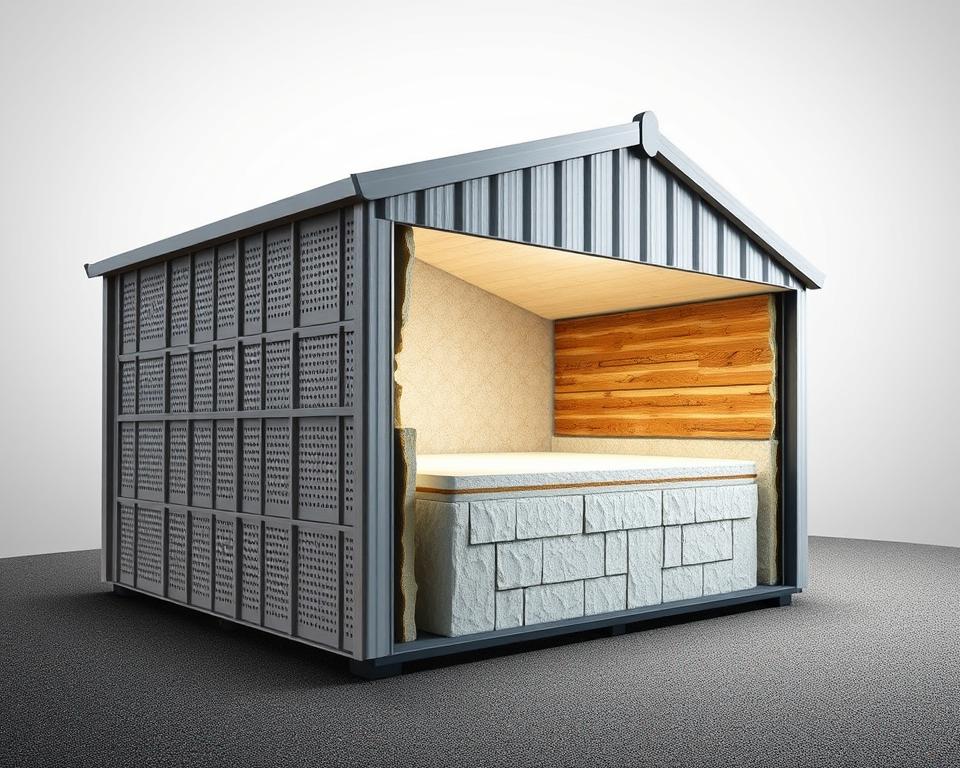
Timber cladding systems with cavity battens create a ventilated cladding rainscreen. That cavity allows breathable insulation to be inserted while keeping a controlled airflow behind the outer skin. Metal cladding benefits from a thermal break or insulated sandwich panels to avoid cold bridging and loss of heat.
For a high thermal performance shed in limited space, closed-cell PIR or phenolic boards work well. Insulate walls, roof and floor to get balanced results. Fit double-glazed windows and insulated doors to reduce surface heat loss and make year-round use more viable.
Condensation in sheds appears where warm, moist interior air meets cool surfaces. Control moisture with a vapour control layer on the warm side and a vapour-permeable breather membrane outside where required. Avoid trapping moisture between impermeable layers, such as an external UPVC skin paired with a non-breathable interior lining.
Provide background ventilation for everyday use. Simple measures include trickle vents, air bricks or a small mechanical extractor for high-humidity activities like potting or drying. Combining ventilated cladding with controlled intake and extract points limits the risk of mould and damp.
Use breathable insulation where moisture movement is expected. If you choose mineral wool, pair it with correct membranes and ensure cavity drainage paths. For tight budgets, prioritise roof and floor insulation first, then upgrade wall insulation to improve overall thermal performance shed users will notice.
| Element | Recommended Material | Benefit | Key Consideration |
|---|---|---|---|
| Wall insulation | PIR boards or mineral wool | High R-value; fits behind cladding and inside studs | Use vapour control layer on warm side |
| Cladding system | Timber rainscreen or insulated metal panels | Protects fabric; allows ventilated cladding options | Prevent cold bridging with thermal breaks |
| Roof | Rigid boards or sprayed foam | Reduces biggest heat loss area | Maintain ventilation to avoid condensation in roofs |
| Floor | Insulated boards over damp-proof membrane | Improves comfort and energy efficiency | Edge insulation to stop thermal bridging |
| Ventilation | Trickle vents, air bricks, extract fans | Controls moisture and limits condensation in sheds | Design for use: more for potting rooms and drying spaces |
Appearance and Architectural Considerations
How a shed looks shapes the whole garden. Think about how shed appearance will sit against house brick, fencing and planting. A coherent choice links materials and colour so the building feels part of the plot rather than an afterthought.
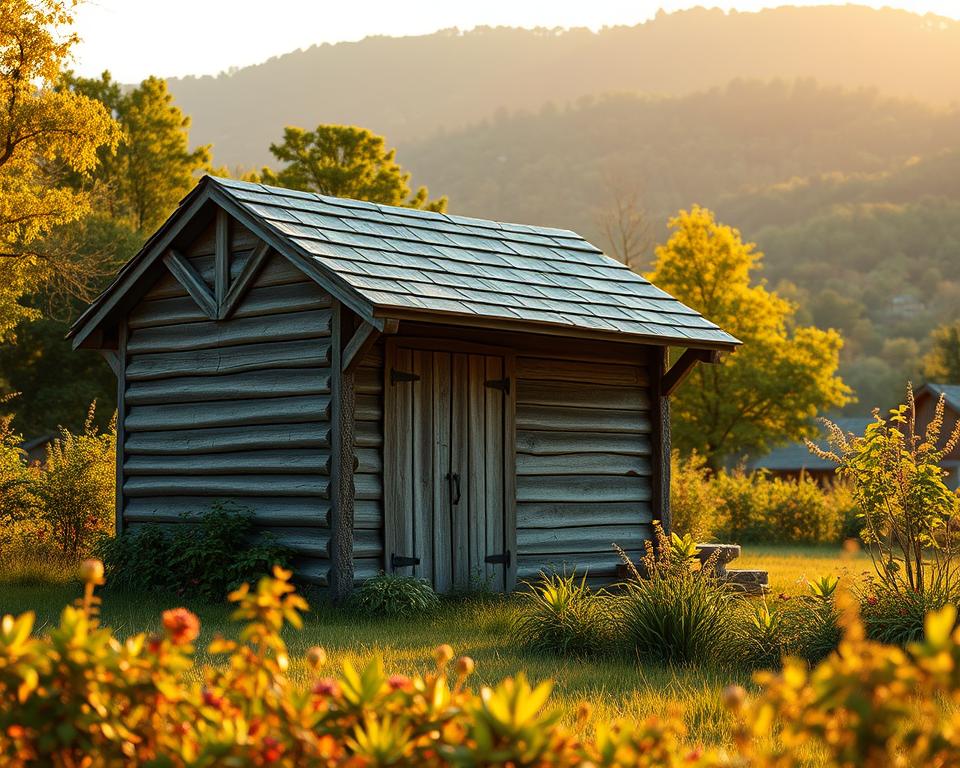
Colour, texture and profile choices to match your garden
Natural timber tones, painted finishes and pre-coated metal colours give very different impressions. Choose UV-stable paints for long-lasting colour and consider woodgrain UPVC for a low-maintenance timber look.
Cladding profiles alter shadow and scale. Shiplap and tongue-and-groove suit traditional layouts. Vertical boards and standing seam metal suit modern patios or rooftop terraces. Composite boards can mimic grain while cutting upkeep.
Design trends and historical styles relevant in the UK
Contemporary schemes favour dark-stained timber and charcoal metal with minimal seams and concealed fixings. This aesthetic suits garden offices and sleek landscapes.
Traditional gardens respond well to painted shiplap, featheredge or natural cedar. Heritage properties often demand matching vernacular materials and muted colours to preserve character.
Planning consent and neighbourhood aesthetic guidelines
Many small sheds fall within permitted development, yet size, height and proximity to boundaries still matter. Consult the Planning Portal and local authority advice for clarity on planning consent sheds.
Conservation areas and listed buildings face stricter controls. Seek pre-application advice where necessary and choose locally appropriate garden design cladding to avoid refusals.
Check deeds and estate rules before installing high-visibility cladding. Some neighbourhood covenants or estate management schemes specify permitted materials or colours that affect UK shed styles.
Installation and Practicalities
Choosing the right approach to shed cladding installation saves time and cost. A clear plan helps avoid common installation pitfalls and ensures a weatherproof finish that lasts. Below are practical points to guide homeowners and contractors through the process.
DIY versus professional installation: pros and cons
DIY shed cladding suits competent homeowners who want lower costs and control over the finish. Timber kits and basic metal panels are often manageable with standard tools. DIY lets you work to your own schedule and keep the project personal.
Professional installers bring experience with complex systems such as standing seam metal and fibre cement. They provide guaranteed weatherproofing and can advise on planning or Building Regulations. Some manufacturer warranties require certified installation, so hiring specialists can preserve cover.
Substructure, fixings and weatherproof detailing
A robust substructure for cladding is essential. Use durable timber or steel joists set above ground on bearers, concrete pads or decking blocks to prevent rot. Treat timber or select naturally durable species for longer life.
Cavities and battens keep ventilation and allow moisture to escape. Fit a breathable membrane where recommended and leave a drip gap at the base to shed water effectively.
Choose cladding fixings that resist corrosion: stainless steel or hot-dip galvanised screws and nails work well. Pre-drill metal panels to avoid cracking. Follow manufacturer spacing and fastening patterns to maintain structural integrity.
Detailing at corners, door and window openings must include flashings and head and sill trims. Overlap horizontal boards so water sheds away from joints. Use appropriate sealants sparingly and check that expansion gaps are allowed for composites and metal.
Timeframes and common installation pitfalls
Small cladding jobs can take a day or two. Insulated systems or intricate metalwork may take several days to a week. Plan for access, delivery and drying times between coats or treatments.
Watch for these installation pitfalls: poor corner and opening detailing, inadequate ventilation, wrong fixings that corrode, and fixing directly to ground-level supports which leads to rot. Failing to allow expansion gaps will warp composite and metal panels.
Quality control is vital. Check alignment and levels throughout. Inspect flashings and sealant finishes before sign-off. Address any issues promptly to avoid costly repairs later.
Sustainability and Environmental Impact
Choosing cladding for a shed goes beyond looks. Environmental impact, material lifespan and end-of-life options now shape good decisions. This short guide covers renewable timber choices, metal and composite recyclability, and how to assess embodied carbon and certifications in the UK market.
Renewable and responsibly sourced timber options
Pick timber certified by FSC or PEFC to ensure forests are managed responsibly. Species such as western red cedar and slow-grown European larch offer natural durability, which reduces replacement frequency and long-term waste. Consider modified woods like Accoya for extended service life and less need for chemical treatment. Choosing responsibly sourced timber helps lower embodied carbon and supports sustainable forestry.
Recyclability of metal and composite cladding
Steel and aluminium are highly recyclable and often contain recycled content, which improves their life-cycle footprint. Confirm that suppliers provide clear end-of-life recycling routes. Composite cladding varies in recyclability. Some wood–plastic composites (WPC) use high recycled content and manufacturer take-back schemes. UPVC can be recycled but rely on verified collection streams. Check cladding recyclability before purchase to avoid landfill at the end of life.
Embodied carbon, treatment chemicals and eco-certifications
Timber generally has lower embodied carbon than many metals and cement-based boards, though engineered options differ. Look for Environmental Product Declarations (EPDs) and manufacturer carbon accounting to compare products. Be aware of treatment chemicals such as copper-based preservatives and older products like creosote. Use treatments that comply with UK regulations and seek low-toxicity alternatives when possible. Eco-certifications UK buyers should prioritise include FSC, PEFC and BES 6001 for responsible sourcing.
| Aspect | Timber | Metal | Composite / UPVC |
|---|---|---|---|
| Typical embodied carbon | Low to moderate; lower for sustainably sourced timber | Moderate to high; improved with recycled content | Variable; depends on resin and filler types |
| Durability without heavy treatment | High for cedar, larch, Accoya | Very high with corrosion protection | Moderate; UV and impact resistance varies |
| Recyclability / end-of-life | Good if untreated or with recyclable treatments | Excellent; established recycling streams | Mixed; some WPC and UPVC streams exist |
| Common eco-certifications | FSC, PEFC, EPD | EPD, recycled content labels, manufacturer EPDs | EPD when available, recycled content claims |
| Notes for buyers | Choose responsibly sourced timber and long-life species | Request recycled content and recycling pathway details | Verify cladding recyclability and take-back schemes |
Conclusion
Choosing shed cladding conclusion: the right choice rests on intended use, UK climate and exposure, and how much you plan to spend over the life of the building. For simple, low-cost storage in sheltered gardens, pressure-treated softwood or UPVC offer practical, affordable options. For garden rooms and workshops that need comfort and insulation, insulated composite panels, timber with internal insulation, or insulated metal panels give the best balance of warmth and finish.
best cladding summary: durability and maintenance tolerance should guide coastal or exposed-site choices. Aluminium, stainless steel, high-grade cedar or Accoya perform well where wind and salt spray are factors. For higher-spec or fire-sensitive applications, fibre cement or treated engineered boards provide robust fire performance and long service life.
Shed cladding decision guide: start by measuring site exposure and assessing planning constraints. Request material samples, obtain quotes that include installation and warranties, and favour certified sustainable products where possible. Prioritise proper detailing — ventilation, fixings and a sound substructure — to ensure any chosen cladding performs reliably throughout its service life.
FAQ
What is shed cladding and why does it matter for UK homeowners?
Shed cladding is the external covering fixed to a shed’s structural frame or subframe. It protects the structure from rain, wind and UV, helps control water shedding and affects breathability. The right cladding prevents timber decay, mould and insect attack, contributes to thermal performance when combined with insulation, and defines the shed’s appearance—important for garden aesthetics and planning considerations in the UK.
Which cladding materials are most common and what are their main characteristics?
Common materials include timber (shiplap, tongue-and-groove, featheredge), metal (galvanised steel, aluminium), UPVC, composites (WPC) and fibre cement or engineered boards. Timber gives a traditional look but needs maintenance; metals are strong and low-maintenance but need corrosion protection; UPVC and composites are low upkeep; fibre cement offers durability and improved fire resistance. Each type has trade-offs in cost, lifespan and installation requirements.
How should I choose cladding for different shed uses (tool store vs garden room)?
Match cladding to intended use. For simple storage choose cost-effective treated softwood, UPVC or lightweight metal with basic ventilation. For workshops or garden rooms prioritise thermal performance and durability—insulated composite panels, timber with internal insulation or insulated metal panels are better. Potting sheds need moisture-resistant, well-ventilated systems to avoid trapped damp.
What UK suppliers and standards should I consult when selecting cladding?
Leading UK suppliers include Wickes, Jewson and Travis Perkins. Consult the Planning Portal for permitted development rules and local authority guidance. Check British Standards such as BS 5234 for fixings and structural aspects, and review manufacturer data for Euroclass reaction to fire ratings and relevant Building Regulations where applicable.
How do I factor UK climate and site exposure into my cladding choice?
Consider local exposure: coastal sites need corrosion-resistant materials (aluminium, stainless steel or well-treated hardwoods). High-rainfall or humid areas require breathable membranes, ventilated cavities and raised substructures to limit ground damp. Windy locations call for robust fixings, interlocking profiles and heavier-gauge materials to resist uplift and wind loading.
What are the long-term cost considerations and maintenance requirements?
Balance upfront material costs with lifecycle costs. UPVC and basic treated softwood are lower initial expense but may need replacement or frequent upkeep. Timber typically needs re-staining or painting every 3–8 years; metal needs occasional inspection and corrosion treatment; composites and fibre cement need minimal routine maintenance. Whole-life costing and manufacturer warranties (10–25 years) help assess value.
How does cladding interact with insulation and condensation control?
Most cladding provides little inherent insulation unless using insulated sandwich panels. Systems usually combine external cladding with internal insulation (PIR boards, mineral wool), vapour control layers and breathable membranes. Prevent condensation by placing vapour control on the warm side, using a breather membrane externally where appropriate, and ensuring background ventilation to avoid trapped moisture.
Are some cladding options better for fire safety?
Yes. Fibre cement and many engineered boards offer superior fire resistance compared with timber and UPVC. Check Euroclass reaction to fire ratings (A1, A2, B, etc.) for specific products. For commercial or high-risk applications, choose materials with appropriate fire performance and consult Building Regulations and local guidance.
Can I install cladding as a DIY project or should I hire a professional?
Small, simple projects using shiplap timber or basic metal panels can be suitable for competent DIYers. Complex systems—standing seam metal, fibre cement, insulated panels—or work requiring compliance with warranties and regulations often benefit from professional installation. Professionals offer experienced detailing, faster completion and installer guarantees that manufacturers may require.
What fixings and detailing best practices prolong cladding life?
Use corrosion-resistant fixings (stainless steel or hot-dip galvanised). Provide ventilated cavities with cavity battens and breathable membranes where recommended. Fit flashings, head and sill trims, and allow expansion gaps for composites and metal. Keep cladding off direct ground contact using treated bearers, concrete pads or decking blocks to reduce rot risk.
Which cladding is best for coastal locations prone to salt spray?
Coastal exposure accelerates corrosion. Prefer aluminium, stainless steel, Accoya or high-quality western red cedar from certified sources. Ensure fixings and trims are stainless or specially coated, and use protective coatings or powder-coated finishes designed for marine environments.
How do appearance, colour and profile choices affect planning and neighbourhood rules?
Colour, texture and profile influence visual impact—shiplap and natural timber suit traditional gardens, standing seam or dark-stained timber suits modern styles. Permitted development rules cover size and height, but conservation areas, listed properties or estate covenants may require matching vernacular materials and colours. Always check local planning guidance and, if necessary, seek pre-application advice.
What sustainability factors should I consider when choosing cladding?
Seek FSC or PEFC-certified timber, consider durable species or modified timbers like Accoya to extend life, and favour materials with low embodied carbon where possible. Metals are highly recyclable; composites vary—look for recycled content and manufacturer take-back schemes. Check EPDs, BES 6001 or other eco-certifications and be mindful of treatment chemicals and their environmental impact.
When should I repair versus replace cladding?
Repair localised damage—individual rotten boards, small corrosion spots or failed sealant—promptly to prevent spread. Replace when damage is widespread, structural performance or weatherproofing is compromised, or when repeated repairs outweigh replacement costs. Consider replacement if upgrading thermal or fire performance is required.
How do I estimate installation time and avoid common pitfalls?
Small cladding jobs can take a day or two; insulated or specialist metal systems may take several days to a week depending on complexity. Common pitfalls include poor corner and opening detailing, inadequate ventilation, incorrect fixings leading to corrosion, and failing to allow expansion gaps. Plan properly, follow manufacturer guidance and inspect flashings and levels during installation.
What brands and product types are recommended for quality and support in the UK?
Reputable suppliers to consider are Wickes, Jewson and Travis Perkins. For specific products look to recognised manufacturers for timber treatments, Accoya for modified timber, James Hardie for fibre cement and established composite brands with documented warranties. Always request technical datasheets, check Euroclass fire ratings and review installer or manufacturer guarantees.