Winter Garden Storage – The Best Ways to Protect Your Stuff

As the seasons change, the focus shifts to safeguarding outdoor furniture. Proper care during the colder months is essential for preserving these pieces. Investing a little effort now can significantly extend their lifespan and maintain their appearance for many years.
Outdoor furnishings face numerous challenges. Moisture, frost, and UV exposure can cause significant damage. Dirt and debris accumulate, leading to wear and tear. Freezing temperatures also pose a risk of structural harm to various materials.
Taking preventative measures is a wise decision for any homeowner. It helps avoid costly replacements and keeps outdoor spaces looking their best throughout the year. Proper preparation ensures that cushions, accessories, and other items are ready for use when warmer weather returns.
This guide explores various options for keeping garden items safe. From indoor storage solutions to protective covers, several effective methods exist. The following sections provide detailed guidance on implementing these strategies successfully.
Inhaltsverzeichnis
Key Takeaways
- Proactive care of outdoor furniture during colder periods extends its usable life.
- Harsh weather conditions, including moisture and frost, can cause significant damage.
- Preventative measures help avoid expensive replacements in the future.
- Proper protection maintains the aesthetic appeal of your outdoor living areas.
- Several storage and covering solutions are available to suit different needs.
- Taking time to prepare ensures everything is ready for the next summer season.
Preparing Your Garden Furniture for Winter
A systematic approach to preparing exterior furniture for seasonal transitions is essential. Beginning preparations during autumn provides ample opportunity to complete all necessary tasks. This timing allows homeowners to work comfortably before harsh conditions make outdoor work challenging.
Assessing Weather-Related Risks
Understanding local climate patterns helps determine specific protection needs. Different regions experience varied conditions that affect outdoor pieces differently. Heavy rainfall, snow, frost, and temperature fluctuations each pose unique challenges.
| Weather Condition | Risk to Furniture | Recommended Action |
|---|---|---|
| Heavy Rainfall | Water damage, mould growth | Ensure proper drainage and coverage |
| Snow Accumulation | Structural stress, moisture | Regular removal, sturdy supports |
| Frost and Ice | Material cracking, expansion | Protective coatings, indoor storage |
| High Winds | Physical damage, displacement | Secure anchoring, sheltered placement |
Gathering the Right Cleaning Supplies
Proper cleaning requires appropriate tools for different materials. Wooden pieces benefit from specialised hardwood cleaning fluids. Metal and plastic items often respond well to hot soapy water solutions.
Essential supplies include scrubbing brushes, cloths, and buckets. Pressure washers can be effective but require careful handling. Always use low settings on durable materials to prevent surface damage.
Cleaning before storage is a crucial preventative measure. Dirt and grime retain moisture which accelerates decay. Clean surfaces allow furniture to dry properly even during colder months.
“A thorough clean before storage prevents dirt from hardening onto surfaces during the colder season.”
Choose sunny days for cleaning whenever possible. This allows adequate drying time before applying covers or moving items indoors. Proper drying helps prevent mould and mildew development.
Cleaning and Maintaining Outdoor Furniture
Different materials require specific cleaning approaches to maintain their structural integrity. Proper techniques prevent damage while removing accumulated debris effectively.

Effective Cleaning Techniques for Wooden Furniture
Begin wooden furniture maintenance with dry brushing to remove loose surface debris. Use a soft brush or cloth for this initial step. This prevents scratching during subsequent washing.
For solid teak pieces, hot soapy water or specialised hardwood cleaners work effectively. Net-Trol wood cleaner & brightener provides excellent results for natural timber. Always work from the top downward, including undersides.
| Material Type | Recommended Cleaner | Cleaning Method |
|---|---|---|
| Solid Teak | Hardwood cleaning fluid | Low-pressure washer acceptable |
| Composite Wood | Compo-Clean degreaser | Soft brush application |
| Natural Timber | Wood cleaner & brightener | Top-to-bottom washing |
Drying and Preventative Maintenance for Metal and Plastic Pieces
Metal furniture benefits from products like Transyl Oil to remove grease and grime. This treatment also helps prevent rust formation. Plastic items require only mild soap and water.
Complete drying is essential before storage. Allow several hours in sunshine or a sheltered area. This prevents mould and maintains material quality.
Regular maintenance ensures all outdoor furniture remains in excellent condition. Proper care extends usability across many seasons.
Winter Garden Storage – The Best Ways to Protect Your Stuff
Homeowners face important decisions when choosing between indoor and outdoor storage solutions. Each option offers distinct advantages depending on available space and specific needs.
Indoor Storage Versus Outdoor Protection
Storing items inside a garage or shed provides complete weather protection. This method shields furniture from direct exposure to harsh conditions. However, limited indoor space often makes this impractical.

Enclosed spaces like sheds may develop musty odours without proper ventilation. Allow air circulation occasionally to prevent unpleasant smells. For those with limited indoor options, covered outdoor locations offer a good alternative.
Position items under verandas or porches for natural protection. Always elevate furniture legs using wooden planks or blocks. This prevents moisture damage from damp ground contact.
Securing Covers and Tarpaulins Effectively
When using protective covers, ensure furniture is completely dry first. Moisture trapped underneath can cause more harm than leaving items uncovered. Choose breathable, waterproof materials for the best results.
Secure covers properly to prevent them blowing away in strong winds. Use straps or weights around the edges while maintaining ventilation gaps. Never wrap furniture too tightly as this restricts essential air flow.
Regular checks throughout colder months help maintain proper protection. Adjust covers as needed and ensure adequate ventilation continues.
Choosing the Right Storage Solutions for Garden Essentials
Selecting appropriate storage methods can significantly extend the lifespan of outdoor furnishings. The right approach depends on available space and specific needs. Homeowners should consider their options carefully.
Using Sheds, Garages, or Storage Units
A shed or garage provides excellent protection for garden furniture. These enclosed spaces shield items from moisture and other damaging elements. They offer a complete storage solution for larger pieces.
For those without existing outbuildings, dedicated storage units present a practical alternative. These weatherproof containers can be placed in any suitable garden area. They accommodate various items including seat cushions and tools.
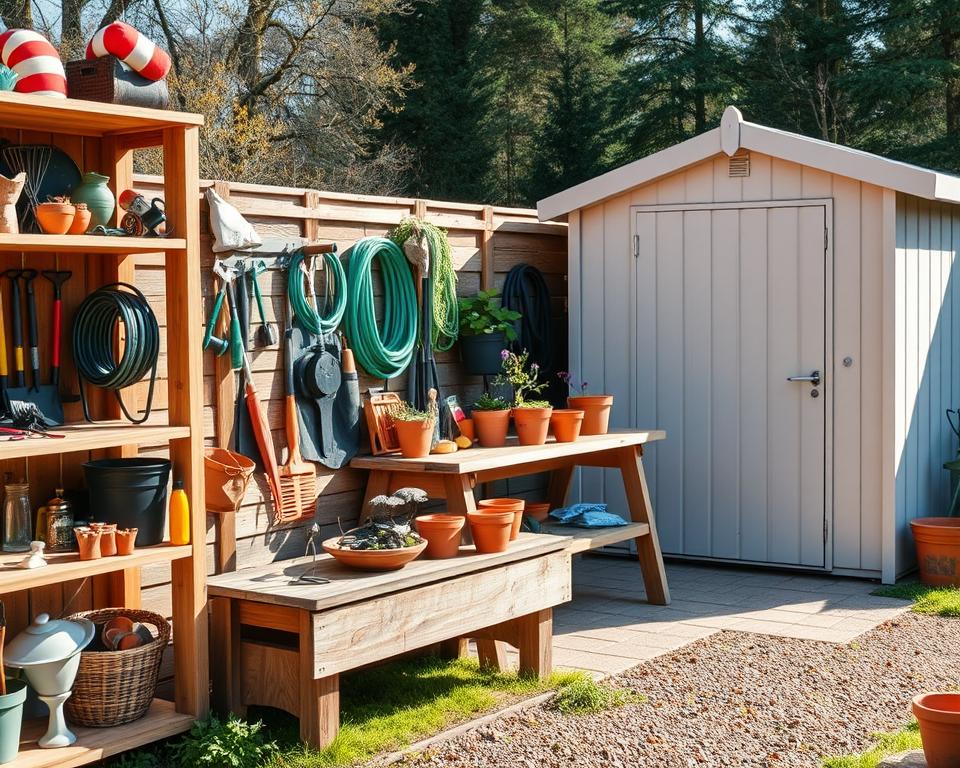
Storage boxes come in different materials, each with distinct advantages. Aluminium options offer security with lockable features. Plastic containers are lightweight and low maintenance.
Maximising Limited Space in Your Garden
Small gardens require creative storage solutions. Stackable furniture and foldable pieces help conserve valuable space. Vertical storage systems make efficient use of available area.
Multi-purpose containers serve dual functions. Some storage boxes can double as additional seating when needed. This approach maximises utility in confined spaces.
Proper organisation ensures all garden essentials have their designated place. Cushions and soft furnishings benefit from dedicated weatherproof containers. This prevents mould and maintains fabric quality.
Additional Tips and Product Recommendations for Long-Lasting Furniture
Specialised care products offer comprehensive protection for various outdoor materials. Investing in quality treatments ensures pieces withstand challenging conditions while maintaining their appearance.
Teak Care and Protective Finishes
Solid teak stands out for its exceptional durability against moisture changes. Professional products like Teak Protector maintain the natural golden tone without greasy residues. Concentrated cleaners restore colour while protective shields prevent staining.
| Product Type | Primary Function | Application Method |
|---|---|---|
| Teak Protector | Maintains natural colour | Water-based application |
| Teak Cleaner | Restores original appearance | Concentrated solution |
| Teak Shield | Prevents stain damage | Allows moisture transmission |
For new untreated wood, Seasonite wood protector bonds with fibres to prevent warping. Previously finished pieces benefit from reapplying protective oils after thorough cleaning.

Practical Advice for Regular Checks and Maintenance
Regular inspections throughout colder months help identify issues early. Ensure covers remain securely fastened while allowing air circulation. Furniture legs on grass should be elevated using flat stones.
“Consistent maintenance checks prevent minor issues from becoming major repairs during harsh weather.”
Remove seat cushions for indoor storage regardless of waterproof ratings. This prevents mould and fabric deterioration. Breathable, high-quality covers protect frames while cushions store separately.
Metal pieces benefit from rust inhibitors that penetrate deeply. Plastic and rattan items require gentle cleaning without harsh chemicals. Proper care extends furniture life significantly.
Conclusion
With thoughtful preparation, homeowners can maintain their outdoor furniture’s appearance and functionality. Proper care during colder periods safeguards the investment made in quality pieces.
Various effective solutions exist, from indoor options like sheds and garages to outdoor protection methods. Thorough cleaning and complete drying form the foundation of successful seasonal care.
Different materials require tailored approaches for optimal preservation. Assessing available space and local conditions helps determine the most suitable strategy.
Beginning preparations during autumn allows adequate time for all necessary tasks. This foresight ensures pieces remain in excellent condition for future enjoyment.
Implementing these practices brings lasting satisfaction and preserves the appeal of outdoor living spaces year after year.
FAQ
What is the best way to protect garden furniture from winter weather?
The most effective protection involves a thorough cleaning to remove dirt and grime, followed by complete drying. For long-term safeguarding, storing pieces in a dry, covered area like a shed or garage is ideal. If outdoor storage is the only option, using a high-quality, breathable cover is essential to prevent moisture buildup and damage.
Can outdoor furniture be left outside all year if it is covered?
While a durable cover offers good protection from rain and dirt, prolonged exposure to the elements can still cause issues. Moisture may become trapped, leading to mould or rust. For optimal preservation, especially for wooden furniture, moving items to a more sheltered space during the colder months is highly recommended.
How should I clean my furniture before putting it into storage?
Use a mild soap solution and a soft brush to clean surfaces, paying close attention to crevices where dirt accumulates. For metal frames, check for any signs of rust and treat them before storage. Always ensure every piece is completely dry to prevent moisture-related damage while in storage.
What should I look for in a good furniture cover?
A superior cover is made from a breathable, waterproof material that allows air circulation. It should fit snugly to prevent it from blowing away and have features like tie-down straps or elasticated hems. This design helps shield furniture from water, UV exposure, and dirt without trapping condensation.
Is it necessary to store seat cushions indoors?
Yes, it is crucial to store cushions, pillows, and other fabric elements in a dry, indoor space. Even under a cover, outdoor conditions can cause fabrics to retain moisture, leading to mildew and permanent damage. Storing them inside ensures they remain in good condition for the spring and summer.
How can I make the most of a small storage space like a shed?
To maximise limited space, consider stacking chairs or using wall-mounted racks. Disassembling larger items, such as tables, can also save significant room. Ensure the space is clean and dry before placing furniture inside to avoid introducing pests or moisture.