Wood vs Metal Greenhouse – Which is Better for Planting?
Selecting the right structure for cultivating plants presents a significant decision for gardening enthusiasts. The material choice fundamentally shapes the growing environment and long-term maintenance requirements. This analysis examines the key considerations between timber and aluminium frameworks.
Gardeners must evaluate several factors when making this important investment. Durability, insulation properties, and aesthetic appeal all play crucial roles in the decision-making process. The selected structure should withstand varying weather conditions throughout the seasons.
Creating an optimal environment for plant growth requires careful planning. Different materials offer distinct advantages for temperature regulation and humidity control. Understanding these differences helps gardeners make informed choices that align with their specific needs and available time for upkeep.
Inhaltsverzeichnis
Key Takeaways
- The material selection significantly impacts the internal environment for plant cultivation
- Durability considerations vary between timber and aluminium structures
- Maintenance requirements differ substantially based on the framework material
- Initial costs and long-term value should both be evaluated carefully
- Aesthetic preferences play an important role in garden integration
- Climate and local weather patterns influence the ideal choice
- Personal gardening goals determine which option delivers better results
Introduction and the Importance of a Quality Greenhouse
The addition of a protective growing space can revolutionise what amateur and professional growers can achieve in their gardens. These structures provide essential protection against unpredictable British weather patterns.
Purpose and Benefits for Gardeners
A quality structure serves as an invaluable asset for horticultural enthusiasts. It creates a controlled environment where tender specimens can flourish regardless of external conditions.
Gardeners benefit from extended growing seasons and protection from frost damage. The enclosed space allows for year-round cultivation of various fruits, vegetables, and flowers.
| Benefit | Impact | Seasonal Advantage |
|---|---|---|
| Weather Protection | Shields plants from extreme conditions | Year-round security |
| Extended Growing | Longer cultivation periods | Early spring starts |
| Optimal Environment | Enhanced growth conditions | Consistent results |
| Therapeutic Space | Gardener well-being | All-season enjoyment |
Impact on Plant Health and Seasonal Gardening
These specialised structures significantly improve plant health through optimised growing conditions. They maintain ideal temperature and humidity levels that promote vigorous growth.
Seasonal limitations become manageable with proper environmental control. Gardeners can experiment with delicate varieties that wouldn’t survive outdoors in typical British climate conditions.
The right cultivation space transforms gardening from a seasonal hobby into a continuous passion. It provides a sanctuary where both plants and people can thrive throughout the year.
Wood vs Metal Greenhouse – Which is Better for Planting?
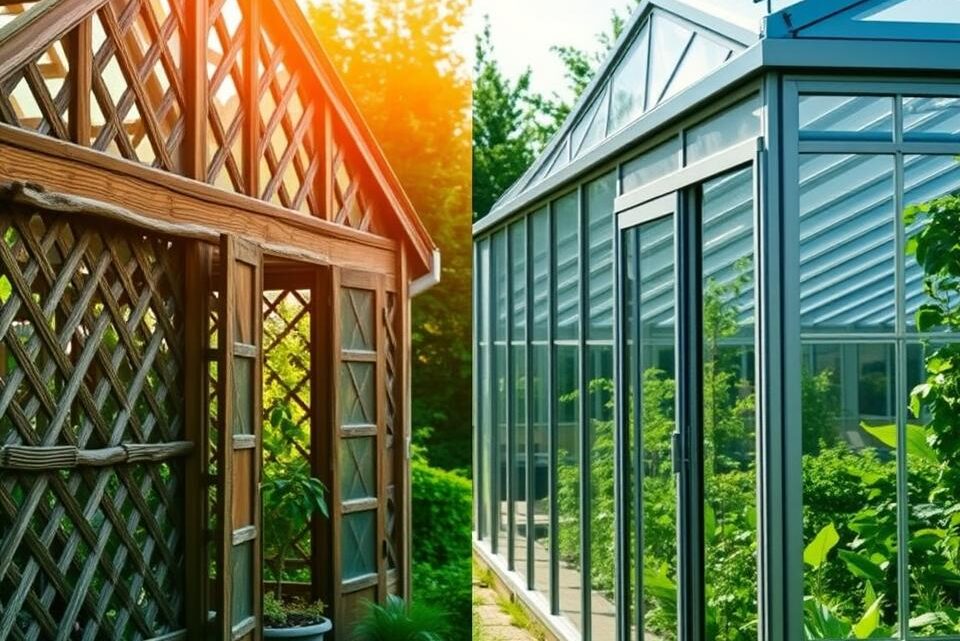
The material composition of a greenhouse framework determines its performance characteristics and suitability for different gardening scenarios. Each option presents unique advantages that cater to specific horticultural needs and personal preferences.
Overview of the Pros and Cons of Each Material
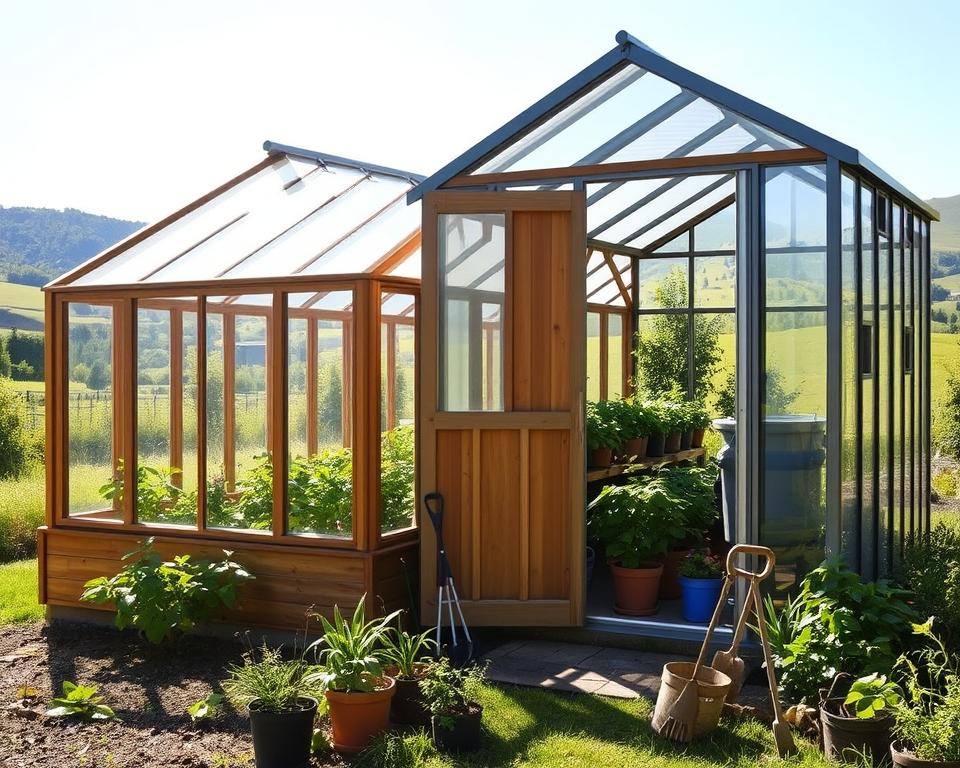
Aluminium frames offer significant cost benefits, sometimes costing just 25% of equivalent timber structures. Their lightweight nature facilitates straightforward DIY assembly and potential relocation. These metal frames demonstrate exceptional resistance to rot, pests, and environmental degradation.
Timber frames provide superior thermal insulation through wood’s cellular structure containing natural air pockets. This creates more stable internal temperatures beneficial for plant growth. The substantial thickness of wooden structures offers inherent stability during challenging weather conditions.
Gardeners prioritising budget and easy maintenance often favour aluminium greenhouses. Those seeking traditional aesthetics and optimal growing environments may prefer timber constructions. Both material types accommodate various glazing options that further influence performance.
The choice ultimately balances initial investment against long-term value and specific gardening requirements. Each material brings distinct advantages to plant cultivation spaces, with aluminium excelling in durability and timber offering natural insulation properties.
Maintenance and Durability Considerations
Durability and upkeep considerations directly impact the functional lifespan and usability of protective growing environments. The choice between materials significantly affects long-term care requirements.
Wooden Greenhouse Upkeep and Longevity
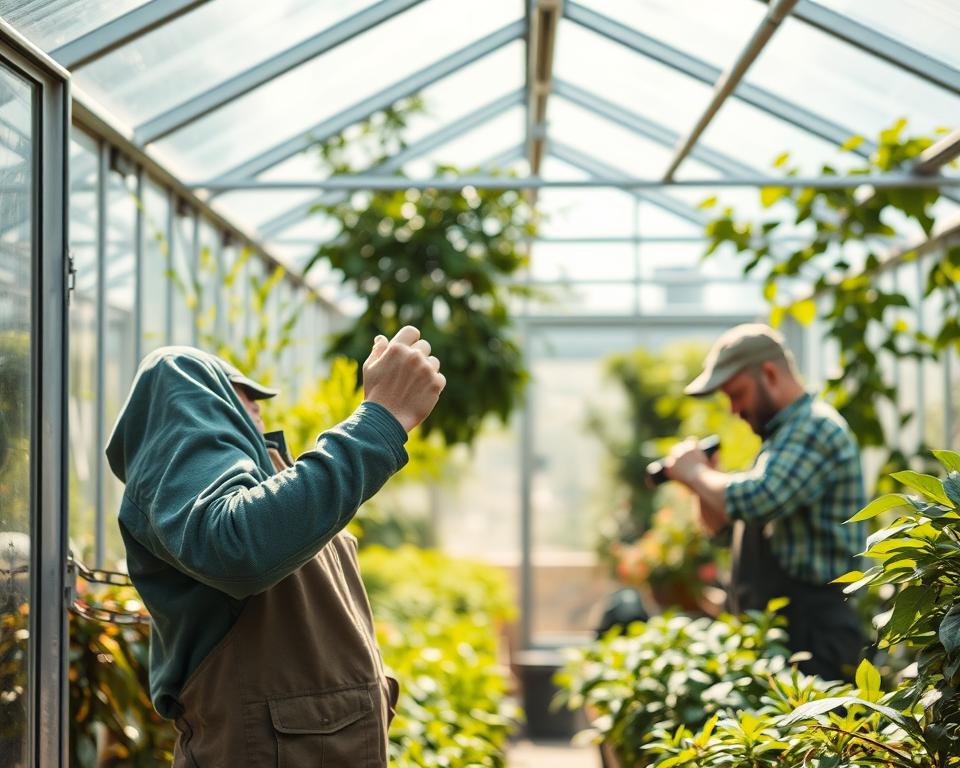
Timber structures demand regular attention to maintain their condition. Without proper care, they can fall victim to rot and decay over the years.
Pressure-treated options offer extended protection against moisture and pests. These treatments can provide guarantees lasting up to 15 years. However, even treated timber requires periodic inspection and maintenance.
During colder months, wooden frames often develop mould due to high humidity levels. Regular ventilation becomes essential to prevent damage.
Metal Greenhouse Strength and Low Maintenance
Aluminium frames excel in low-maintenance performance. They resist corrosion effectively without requiring protective coatings.
The rust-resistant properties of aluminium prove valuable in humid conditions. One gardener reported their structure showed minimal wear after decades of use.
Metal frames facilitate easier cleaning and demonstrate superior mould resistance. This reduces time spent on seasonal upkeep tasks.
| Aspect | Timber Frames | Aluminium Frames |
|---|---|---|
| Maintenance Frequency | Every few years | Minimal |
| Weather Resistance | Requires treatment | Naturally resistant |
| Winter Performance | Mould susceptibility | Excellent durability |
| Longevity | 15+ years with care | Decades of service |
Both material types require annual cleaning routines. Proper care ensures optimal performance throughout their service life. The choice ultimately depends on personal preferences for upkeep involvement.
Cost and Aesthetic Factors in Greenhouse Selection
Financial planning and visual harmony play equally important roles when selecting a cultivation structure. Gardeners must consider both immediate expenditure and how the framework integrates with their outdoor space.
Comparing Initial Cost and Long-Term Investment
Aluminium frames present a significantly lower initial cost, sometimes costing 50-75% less than timber equivalents. This makes them accessible for budget-conscious gardeners seeking functional planting spaces.
Timber structures represent a premium investment, with prices reaching two to four times comparable metal models. Their made-to-order nature often extends delivery timelines to several months.
Aesthetic Appeal and Garden Integration
Wooden frameworks offer classic aesthetics that blend naturally with garden surroundings. Their customisation through staining or painting allows harmony with existing décor.
One gardening expert notes:
“Timber structures create visual cohesion that metal frames rarely achieve, becoming a natural extension of the landscape.”
Additional Must-Have Features for Optimal Use
Essential features include automatic vents opening at 21°C and manual ventilation options. Guttering systems directing rainfall into water butts provide sustainable irrigation solutions.
Polycarbonate glazing offers superior insulation compared to glass, minimising temperature fluctuations. This proves particularly valuable for metal frames prone to heat transfer.
| Feature | Timber Advantage | Aluminium Advantage |
|---|---|---|
| Initial Cost | Premium investment | Budget-friendly option |
| Aesthetic Integration | Natural blending | Modern appearance |
| Temperature Regulation | Inherent insulation | Requires mitigation |
| Delivery Time | Months (custom) | Weeks (stock) |
Plastic alternatives prove inadequate for serious cultivation, lacking structural integrity and proper climate control. Temporary covers serve better for short-term plant protection.
Conclusion
The journey to finding the ideal cultivation environment culminates in understanding how material characteristics align with individual horticultural goals. This comprehensive guide demonstrates that both framework types serve gardeners effectively when matched to specific requirements.
Aluminium greenhouses excel for those prioritising durability and minimal upkeep. Their cost-effectiveness and resistance to environmental factors make them a practical choice for many growing situations.
Timber structures offer superior thermal performance and traditional aesthetics. The natural insulation properties of wood create stable environments that benefit plant growth throughout seasonal changes.
Ultimately, the decision rests on personal priorities regarding budget, maintenance tolerance, and visual preferences. Both material options successfully support diverse cultivation when properly used and maintained. This guide empowers gardeners to make an informed selection that enhances their planting success.
FAQ
What are the main advantages of a timber frame structure?
Timber frames offer excellent natural insulation, helping to maintain a stable temperature inside the greenhouse. They also possess a classic aesthetic that many gardeners feel integrates beautifully into a traditional garden environment.
How does an aluminium frame compare in terms of durability?
Aluminium greenhouses are highly durable and resistant to rust and rot. They require very little upkeep over the years, making them a strong, long-lasting choice for a garden structure.
Which material provides better heat retention during winter?
Wood is generally a better insulator than metal. A wooden greenhouse will typically retain heat more effectively, which can be beneficial for protecting plants during the colder season and reducing heating costs.
Is a metal or wooden structure easier to maintain?
An aluminium greenhouse requires minimal maintenance, often needing just an occasional wash. A timber frame, however, requires regular treatment or painting to protect it from the weather and prevent decay over time.
What glazing options are best for controlling the internal environment?
Horticultural glass is a traditional choice, but polycarbonate sheets are popular for their superior insulation properties and safety, as they are shatter-resistant. The best glazing depends on the specific needs of the plants and the local climate.
How important is ventilation in a greenhouse?
Adequate ventilation is crucial for plant health. It helps regulate temperature and humidity levels, preventing issues like mould and heat stress during the summer months. Look for structures with roof vents and side openings.
Does the initial cost reflect the long-term value?
While an aluminium greenhouse might have a higher initial cost, its low upkeep can make it more cost-effective over time. A wooden greenhouse may have a lower starting price but requires a long-term investment in maintenance to ensure its longevity.