What Are the Advantages of a Metal Gazebo? Guide
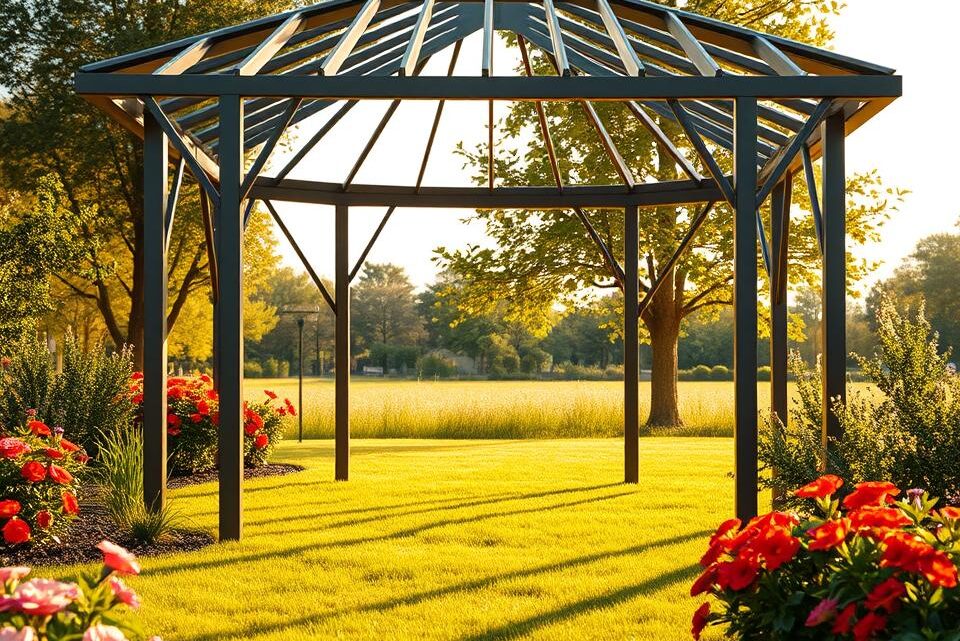
A gazebo serves as more than simple shelter; it becomes the centrepiece of a garden. This structure is where families gather for celebrations, friends socialise, and individuals find a quiet retreat. In the UK, these outdoor spaces require resilience against varied weather.
Metal constructions have gained significant popularity for these garden fixtures. They offer a blend of superior durability and modern aesthetics that suits contemporary landscapes. Homeowners appreciate their practical functionality for year-round use.
This guide explores the significant benefits of choosing a metal structure for your property. It details why this material has become a preferred choice for those seeking a long-lasting garden feature. The focus is on weather resistance, longevity, and minimal upkeep.
Readers will learn how a metal gazebo creates a defined outdoor living area. It is ideal for entertaining, dining, or simply relaxing while being protected from the elements. Making an informed decision ensures a wise investment that adds value and enjoyment to any garden.
Inhaltsverzeichnis
Key Takeaways
- Metal gazebos offer exceptional durability and strength, making them a robust choice for gardens.
- They provide superior resistance to the UK’s unpredictable weather conditions, including rain and wind.
- These structures require very little maintenance compared to wooden alternatives, saving time and effort.
- A metal gazebo adds a modern, stylish aesthetic to any outdoor space, enhancing its overall appeal.
- They create a versatile area for entertaining, dining, or relaxation, extending the usable space of a property.
- Investing in a metal structure often delivers better long-term value due to its extended lifespan.
Introduction to Metal Gazebos
The UK’s unpredictable climate demands garden shelters that combine resilience with contemporary design. Metal constructions have emerged as ideal solutions for British gardens, offering protection against rain, wind, and temperature variations throughout the year.
Context and Relevance in the UK Garden Scene
Two primary materials dominate this market segment. Aluminium alloys provide lightweight strength, while stainless steel offers exceptional weather resistance. Both options suit the practical needs of British homeowners.
Contemporary garden design increasingly views these structures as functional extensions of living space. They create dedicated areas for dining, entertaining, or relaxation regardless of weather conditions.
The minimalist aesthetic aligns with modern architectural trends. Clean lines and powder-coated finishes complement contemporary property styles while requiring minimal upkeep.
What Are the Advantages of a Metal Gazebo?
The choice between aluminium and steel for a gazebo often hinges on the intended use and required level of sturdiness. Each material offers distinct benefits tailored to different scenarios.
Key Benefits and Usage Scenarios
Aluminium constructions are prized for their lightweight nature. This makes them ideal for temporary use at gatherings like garden parties or picnics, where easy transport and quick assembly by one or two people are major advantages.
In contrast, steel gazebos provide phenomenal strength for permanent installations. Their robust frames are designed to handle heavy loads and offer superior stability, creating a dependable shelter year-round.
Both types share core benefits. Modern gazebos often include practical features such as integrated curtain rails and mosquito netting. These aluminium and steel structures deliver exceptional durability with minimal upkeep.

Material Strength and Resistance
The inherent strength of steel allows these structures to withstand significant force. Premium models are tested to resist high winds and substantial snow loads, a critical factor for UK weather.
This material resistance ensures the gazebo maintains its structural integrity and appearance over many years, providing reliable protection and long-term value for any garden.
Durability, Weather Resistance and Maintenance Considerations
Material selection directly influences how well a garden structure withstands seasonal challenges. The UK’s variable conditions demand materials that offer reliable protection against moisture, temperature fluctuations, and physical stress.
Comparing Aluminium and Stainless Steel Options
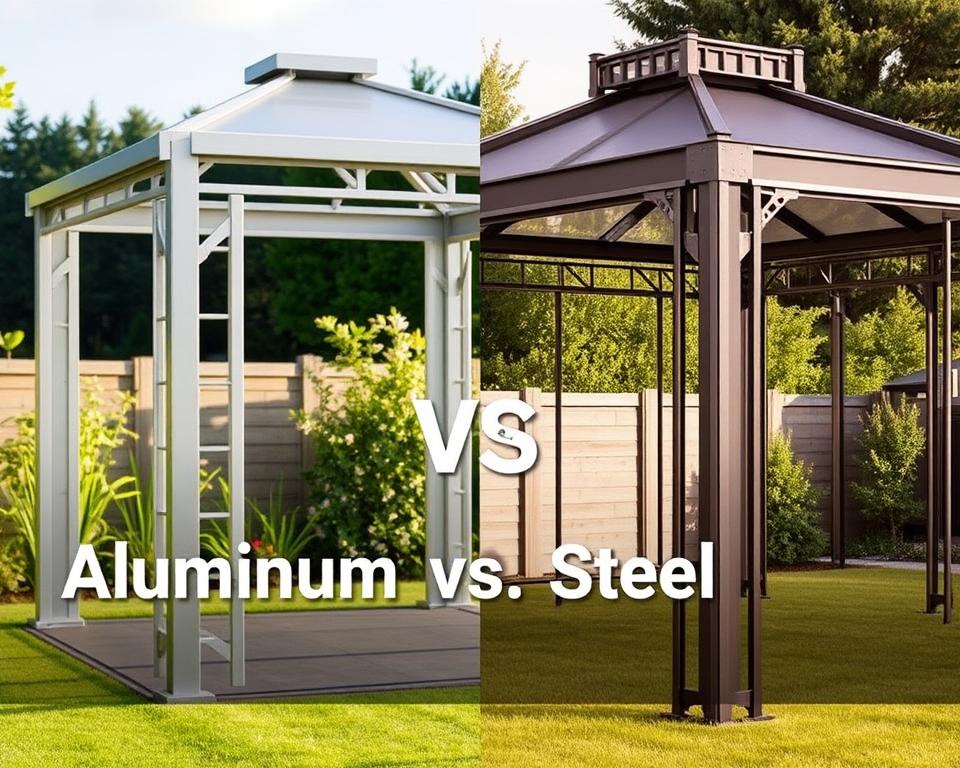
Aluminium gazebos provide excellent value for temporary or seasonal use. Their lightweight nature makes them easy to reposition. The natural oxide layer offers good corrosion resistance.
Maintenance remains straightforward with periodic cleaning using mild detergent. However, heavy snow loads or sustained high winds may test their structural limits over time.
Steel gazebos deliver superior durability for permanent installations. The chromium content creates a passive oxide layer that prevents rust effectively. These structures handle extreme weather conditions with remarkable stability.
The substantial weight of steel models provides excellent anchoring against wind. Galvanised versions with powder coating offer enhanced protection, requiring minimal upkeep beyond regular washing.
Choosing between materials involves balancing portability needs against long-term performance expectations. Each option serves distinct purposes based on installation requirements and local climate factors.
Design, Aesthetic Appeal and Assembly
Metal gazebos offer homeowners diverse aesthetic possibilities that can transform ordinary gardens into sophisticated retreats. The visual appeal of these structures significantly influences how they integrate with existing outdoor space and overall garden design themes.
Modern Versus Traditional Styles
Aluminium gazebos showcase remarkable design versatility due to the material’s lighter weight and malleability. Manufacturers create everything from ornate traditional styles to sleek contemporary looks that suit varied garden settings.
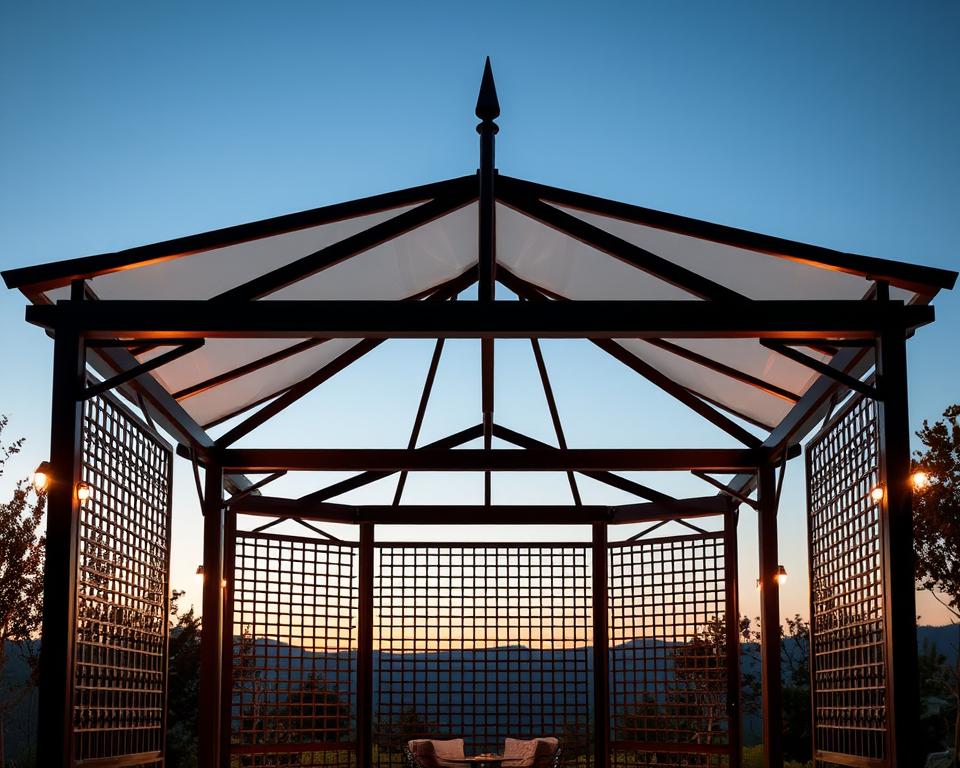
In contrast, steel constructions typically feature minimalist aesthetics with clean lines and geometric precision. Their industrial charm and modern finishes complement contemporary properties perfectly.
Assembly considerations differ significantly between materials. Aluminium frames offer straightforward installation processes suitable for DIY enthusiasts. The lighter weight enables one or two people to complete setup without specialised tools.
Steel gazebos present more challenging assembly requirements due to their substantial weight and rigid construction. These structures typically need multiple people and occasionally professional installation services.
The look and style of metal gazebos create sophisticated outdoor focal points. Modern trends favour slim powder-coated frames in neutral colour palettes that enhance both aesthetic appeal and functional versatility.
Comparing Metal, Wooden and Other Gazebo Materials
Selecting the right material for a garden structure involves balancing practical needs with aesthetic preferences. This comparison helps homeowners make informed decisions about their outdoor investment.
Pros and Cons of Metal Gazebos
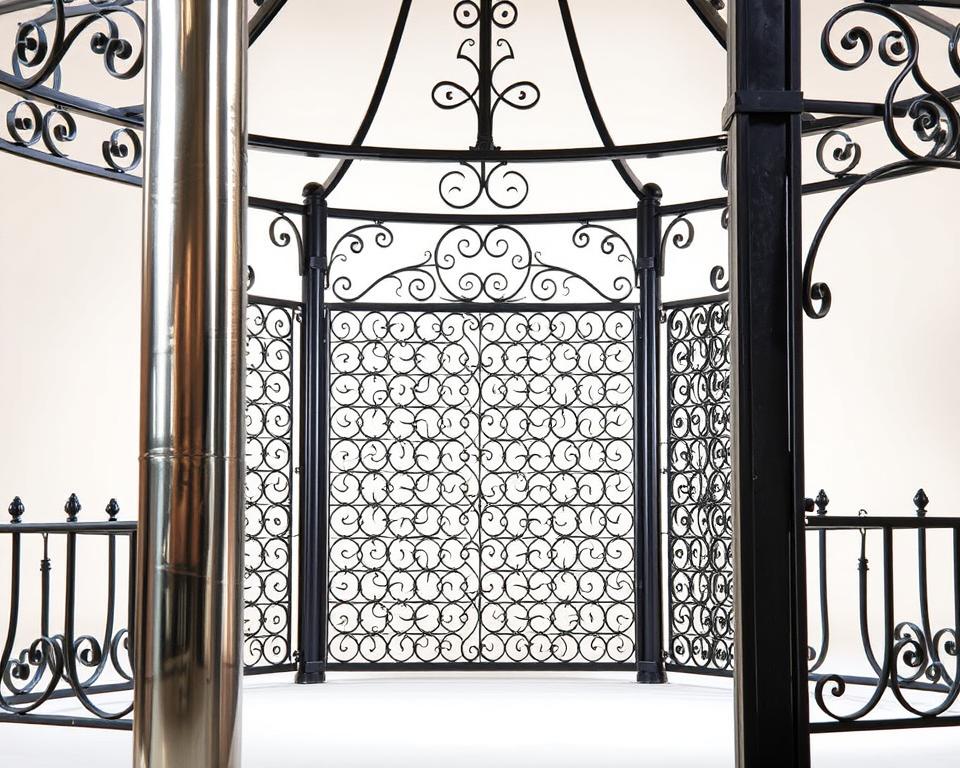
Metal constructions offer exceptional durability with minimal maintenance requirements. Powder-coated aluminium and steel frames resist rust effectively, needing only occasional washing.
These gazebos provide phenomenal strength against harsh weather. However, their industrial appearance may not suit traditional garden settings where natural materials create better visual harmony.
Insights on Wooden Alternatives
Wooden gazebos deliver natural beauty with warm grain patterns. They blend seamlessly with garden vegetation, offering classic appeal for rustic landscapes.
Cedar wood provides natural decay resistance and pleasant aroma. The primary drawback involves higher maintenance demands, requiring regular treatment to prevent rot.
Long-term Investment Factors
For permanent installations, metal gazebos often represent better value due to extended lifespan. Galvanised steel options can last decades with minimal upkeep.
Wooden alternatives appeal to those prioritising natural aesthetics. Many manufacturers price structures based on size rather than material, giving buyers flexibility in their choice.
The final decision depends on individual priorities regarding garden style, maintenance commitment, and longevity expectations for the outdoor space.
Factors to Consider for Your Outdoor Space
The selection process for garden structures involves assessing how different materials perform under specific environmental conditions. Homeowners must evaluate several key factors to ensure their choice aligns with both practical needs and aesthetic preferences.
Climate, Local Weather and Environmental Impact
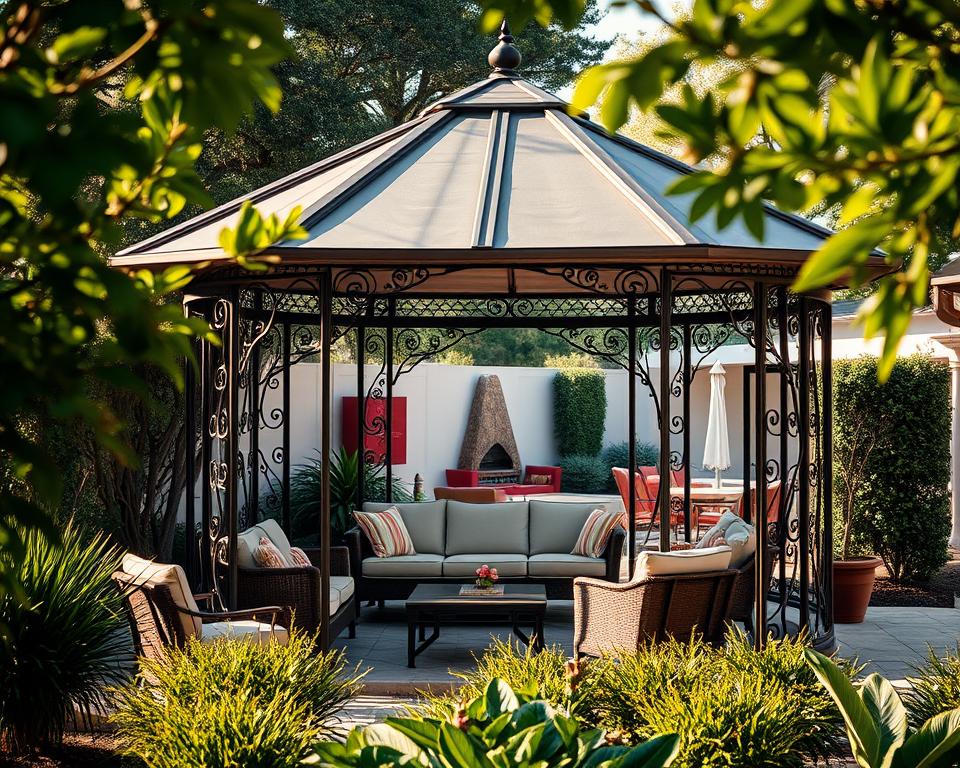
Local weather patterns significantly influence material performance. Aluminium gazebo options suit moderate climates with light rainfall and moderate winds. Their natural rust resistance works well in damp settings.
Steel constructions excel in harsh conditions. They handle heavy snowfall, strong winds, and intense sun exposure effectively. Coastal properties, for example, benefit from enhanced corrosion protection.
Environmental considerations also matter. Steel production uses less energy and often contains recycled content. Aluminium offers complete recyclability despite more energy-intensive manufacturing.
Usage Patterns and Garden Design
Intended use determines the best material selection. Temporary events and seasonal gatherings favour lightweight aluminium gazebos. Their portability allows easy repositioning.
Permanent installations benefit from steel‘s superior stability. These structures provide reliable shelter year-round. Garden design preferences also guide material choice.
Aluminium offers versatile styling from traditional to contemporary looks. Steel provides minimalist appeal suited to modern outdoor space arrangements. Answering key questions about frequency of use and aesthetic goals ensures the right selection.
Conclusion
The decision between aluminium and steel constructions hinges on specific lifestyle requirements and garden characteristics. Each material offers distinct benefits that suit different usage patterns and environmental conditions.
Homeowners should carefully evaluate key factors such as intended frequency of use, local weather patterns, and maintenance preferences. This thoughtful approach ensures the right choice for their unique outdoor space.
Both aluminium gazebos and their steel counterparts provide excellent protection and lasting value. With proper selection, these structures serve as reliable garden shelter for many years, enhancing property appeal and outdoor living enjoyment.
FAQ
How does a metal gazebo handle British weather?
Metal gazebos, particularly those made from steel or aluminium, offer excellent resistance to rain and corrosion. Many models feature protective coatings that shield the frame from rust, ensuring long-term stability in variable conditions.
What are the main benefits of choosing a metal gazebo?
Key benefits include superior durability, low maintenance requirements, and strong resistance to weathering. Their robust construction provides a reliable shelter for gardens and outdoor events.
Are aluminium gazebos a good choice for long-term use?
Yes, aluminium gazebos are an excellent long-term choice. Their inherent resistance to rust and corrosion, combined with a lightweight frame, makes them durable and easy to maintain over many years.
How does the weight of a steel gazebo affect its stability?
Steel gazebos are generally heavier, which enhances their stability against strong winds. This makes them a solid fixture in a garden, though it can make assembly and positioning more labour-intensive.
What design options are available for metal gazebos?
Manufacturers offer a wide range of designs, from sleek, modern styles to more traditional looks. The material’s versatility allows for intricate patterns and a variety of colours to suit different garden aesthetics.
How difficult is it to assemble a metal gazebo?
Assembly complexity varies by model and manufacturer. Many metal gazebos are designed with user-friendly assembly in mind, often including clear instructions. Some heavier steel options might require two people.
Can a metal gazebo be left outside all year?
Absolutely. Metal gazebos are built to withstand outdoor conditions throughout the year. Their materials and protective finishes are specifically chosen to offer lasting protection against the elements.
What factors should influence the choice between aluminium and steel?
Consider aluminium for its lightweight properties and excellent corrosion resistance. Opt for steel if maximum strength and stability are the primary concerns, bearing in mind it may require additional coating to prevent rust.
Are there any specific maintenance requirements?
Maintenance is generally minimal. An occasional clean with mild soapy water is usually sufficient to keep the gazebo looking its best. It is also wise to periodically check for any damage to the protective coating.
How does a metal gazebo compare to a wooden one in terms of lifespan?
Metal gazebos typically offer a longer lifespan than wooden alternatives. They are not susceptible to rot or insect damage, and with proper care, they can last for decades with very little upkeep.