Does My Garden Room Need Double Glazing?
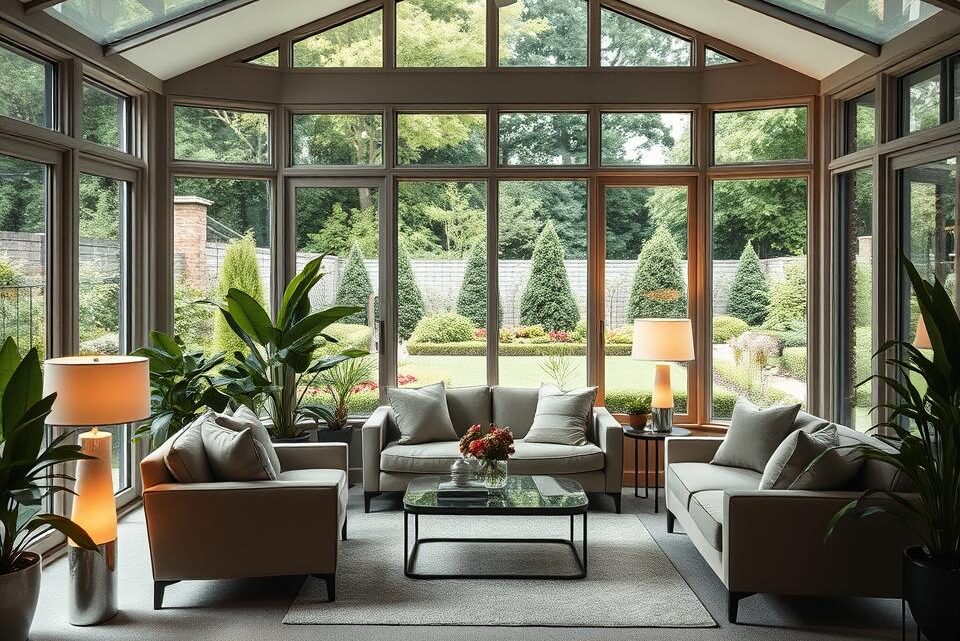
A garden room offers a fantastic opportunity to expand your living area into the outdoors. It can serve as a peaceful home office, a creative studio, or a cosy retreat. The glazing you select for this space is a critical decision that influences its comfort and usability throughout the year.
Many homeowners ponder whether standard single glazing is sufficient. While it may appear to be a budget-friendly choice initially, this option has significant limitations. The right windows are fundamental to creating a comfortable environment, regardless of the season.
This guide explores the key factors to consider. It covers thermal efficiency, noise reduction, and long-term durability. Making an informed choice can transform a basic structure into a valuable, year-round asset for your property.
Inhaltsverzeichnis
Key Takeaways
- The selection of glazing significantly impacts a garden room’s comfort and functionality.
- Windows play a crucial role in maintaining a consistent temperature inside the space.
- Effective glazing can reduce external noise, creating a more peaceful environment.
- Durability is an important consideration for long-term satisfaction with the room.
- The right choice adds genuine value to your property by creating a versatile, year-round space.
Understanding Glazing Options for Garden Rooms
Window selection plays a pivotal role in determining the comfort and usability of an external building. The glazing choice affects temperature regulation, noise control, and energy efficiency. Homeowners should understand the available options before making a decision.
Single Glazing Explained
Single-glazed units feature just one pane of glass within the frame. This creates a simple barrier between interior and exterior environments. Heat escapes rapidly through single pane windows during colder months.
On warmer days, this minimal insulation can help keep spaces cooler. The concept of window glazing dates back to Roman times in Pompeii. Archaeological finds from the 1st century AD show early forms of this process.
Double Glazing Explained
Double glazing involves two sheets of glass separated by a small air space. This gap is typically filled with argon gas for better insulation. Some advanced systems use a vacuum between the panes.
American engineer Charles D. Haven developed modern double glazing technology in the 1930s. The air or gas layer creates a thermal barrier that slows heat transfer significantly. This makes double glazed units much more energy efficient.
The two layers of glass also provide enhanced strength and durability. They offer better protection against impact and improve security. This construction method represents a substantial advancement over single pane alternatives.
How Glazing Impacts Garden Room Comfort
The comfort experienced within a garden structure is profoundly shaped by its glazing. This choice determines how usable the space remains as seasons change. It directly influences the internal climate, affecting everything from warmth in winter to coolness in summer.
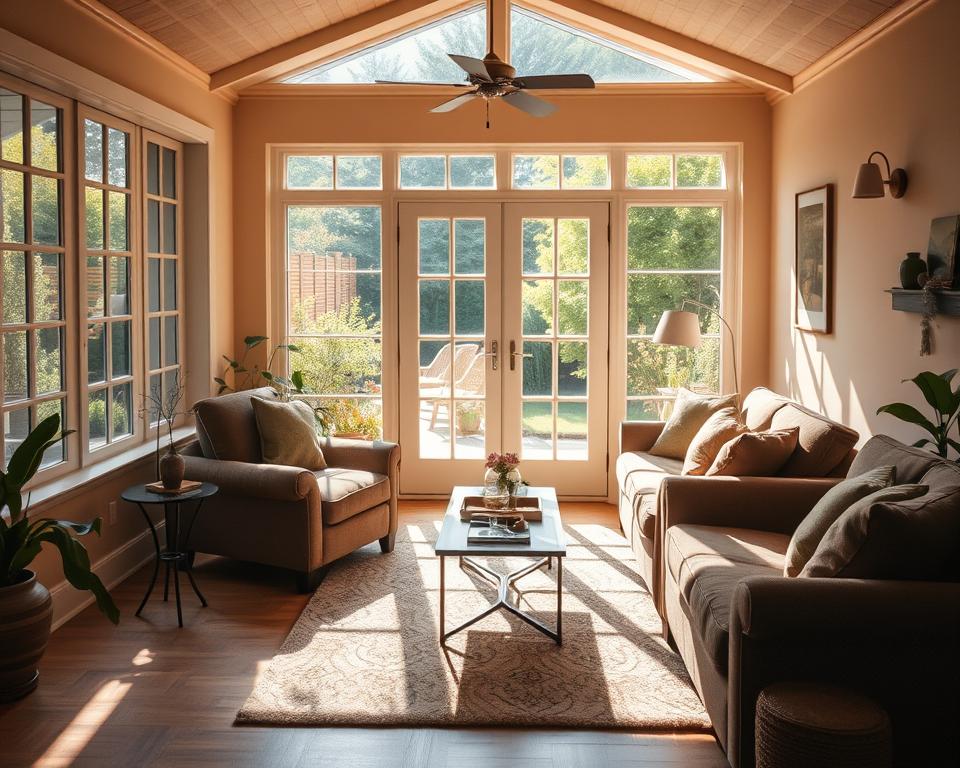
A well-glazed garden room provides a consistent and pleasant environment. This makes it a practical retreat throughout the year.
Temperature Control in Winter
During colder months, single-pane windows offer little resistance to heat loss. Warm air escapes quickly, causing the internal temperature to drop rapidly once a heater is switched off. This makes sustained comfort challenging.
Structures with advanced glazing, however, trap warmth much more effectively. The internal climate remains stable for longer periods. This reduces the need for constant heating, leading to greater comfort and lower energy expenditure.
Staying Cool in Summer
The same principle of insulation works to keep a garden room cooler in warm weather. It slows the transfer of external heat into the space. While it will not prevent warming entirely, it significantly delays the process.
This provides valuable time to implement cooling strategies. Opening a door or using a fan becomes more effective. The result is a space that feels more stable and comfortable, even on hot days.
| Aspect | Single Glazing | Double Glazing |
|---|---|---|
| Winter Heat Retention | Poor – heat escapes quickly | Excellent – maintains warmth |
| Summer Heat Gain | Rapid – heats up fast | Slowed – remains cooler longer |
| Overall Comfort | Seasonally limited | Year-round usability |
Ultimately, the right glazing is a key component for year-round enjoyment. It works alongside good ventilation and shading to create a truly functional garden room.
Does My Garden Room Need Double Glazing?
Window specifications determine whether an outdoor space remains comfortable across seasonal changes. The answer depends largely on how the structure will be used and local climate conditions.

For spaces intended as functional living areas, advanced window technology offers significant advantages. The initial investment delivers long-term value through improved performance.
Key Benefits of Double Glazing
Superior insulation represents the primary advantage of modern window systems. These units trap air between glass panes, creating an effective thermal barrier.
According to the Energy Saving Trust, properties with advanced glazing can save approximately £135 annually on energy costs. While savings may vary for separate structures, the principle of efficiency remains consistent.
Noise reduction represents another major benefit. External sounds decrease by 20-65%, creating a peaceful environment for work or relaxation. Enhanced security and reduced condensation complete the package of advantages.
Comparing Single vs Double Glazing
Single-pane options suit basic storage buildings or warmer climates. They offer minimal insulation and soundproofing capabilities.
For a functional garden building in the UK, dual-pane systems provide essential performance characteristics. The higher initial cost is offset by year-round usability and comfort.
The choice ultimately depends on whether the space requires consistent environmental control. For most living and working applications, advanced glazing proves essential.
Enhancing Comfort Through Noise Reduction
The acoustic environment within a garden building is a critical factor for its functionality and comfort. Unwanted noise from traffic, neighbours, or gardening equipment can disrupt concentration and relaxation. Advanced window technology offers a powerful solution to this challenge.
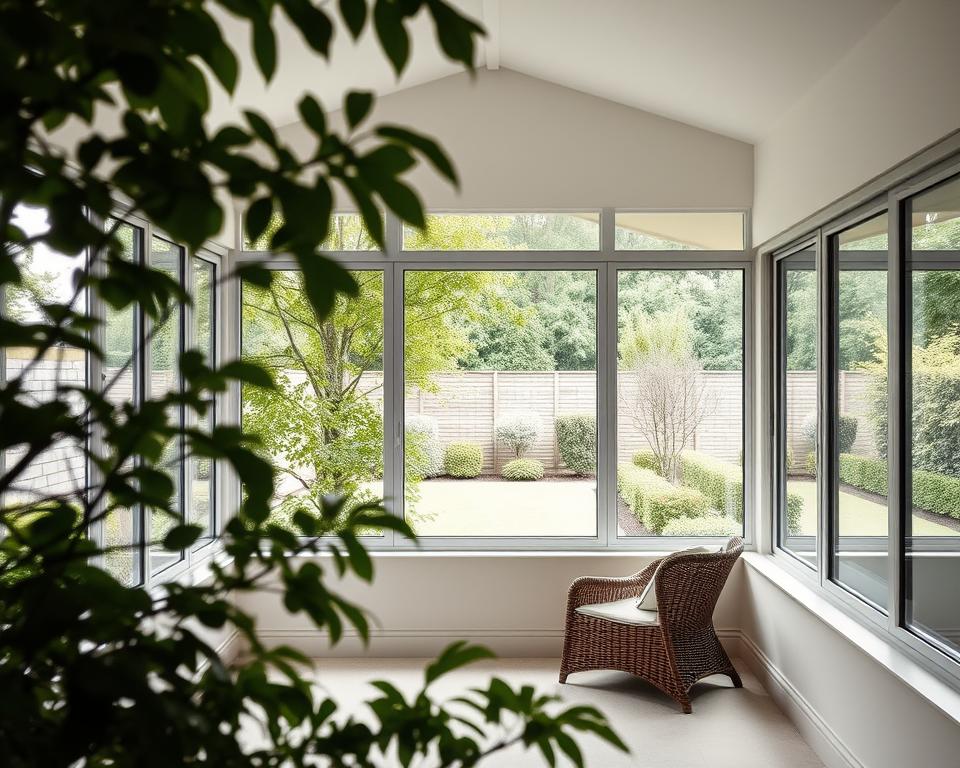
Effective glazing creates a peaceful sanctuary, ideal for focused work or creative pursuits. It ensures the space remains a true retreat.
Soundproofing Advantages
Double glazed units are engineered to dampen sound. They feature two panes of glass separated by a gap of air or inert gas. This construction forces sound waves to lose energy as they pass through the different layers.
The result is a significant reduction in external noise. Studies indicate that such windows can lower sound transmission by 20% to 65%. This makes a noticeable difference in daily use.
“The difference in acoustic comfort is immediately apparent, transforming a garden room into a viable, quiet office space.”
For professionals taking video calls or musicians recording, this acoustic buffering is invaluable. It turns a garden room into a highly functional office or studio. The BillyOh Outpost Insulated model, for instance, combines 44mm double glazed windows with thick wall panels for superior performance.
| Noise Source | Impact with Single Glazing | Impact with Double Glazing |
|---|---|---|
| Passing Traffic | Clearly audible, disruptive | Significantly muted |
| Neighbour’s Lawnmower | Loud and intrusive | Reduced to a faint hum |
| Summer Garden Parties | Sound easily penetrates | Creates a peaceful barrier |
While it won’t create absolute silence, the enhancement is substantial. It provides the privacy and quiet needed for deep work or simple relaxation. For any serious application, adequate soundproofing is essential.
Improving Durability and Security
The structural integrity and protective qualities of a garden building are significantly enhanced by its windows. Choosing robust glazing contributes directly to the longevity and safety of the entire structure.
Double glazed units offer superior strength compared to single-pane alternatives. The two layers of glass, bonded within a sturdy frame, create a much more resilient barrier. This construction makes them significantly harder to break, providing a strong deterrent against potential intruders.
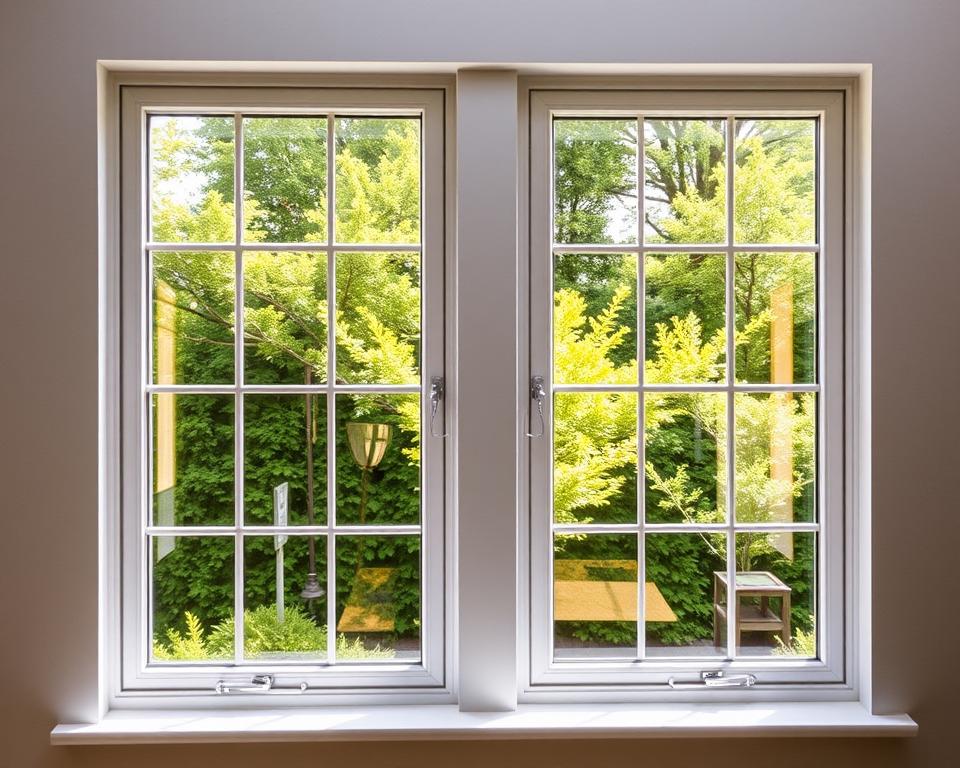
This enhanced security offers invaluable peace of mind. It is particularly important for spaces housing valuable electronics or personal belongings. The robust nature of these windows means they better withstand accidental impacts and harsh weather over time.
While highly durable, it is worth noting that seals can occasionally fail, leading to condensation between the panes. This is a separate issue from general wear. Fortunately, for a wooden garden room, replacing the affected glazing unit is typically a straightforward and affordable task.
| Feature | Single Glazing | Double Glazing |
|---|---|---|
| Impact Resistance | Low – easily broken | High – much more robust |
| Security Level | Basic protection | Enhanced deterrent |
| Long-Term Durability | Prone to damage | Designed for longevity |
Investing in high-quality double glazed windows ultimately supports the resilience of the garden building. It reduces long-term maintenance needs and ensures the space remains a secure and valuable asset.
Material Choices for Frames and Aesthetic Appeal
Beyond the glazing itself, the choice of framing materials plays a vital role in determining the character and longevity of garden room installations. The frame selection influences both visual appeal and practical performance, making it a significant design decision.
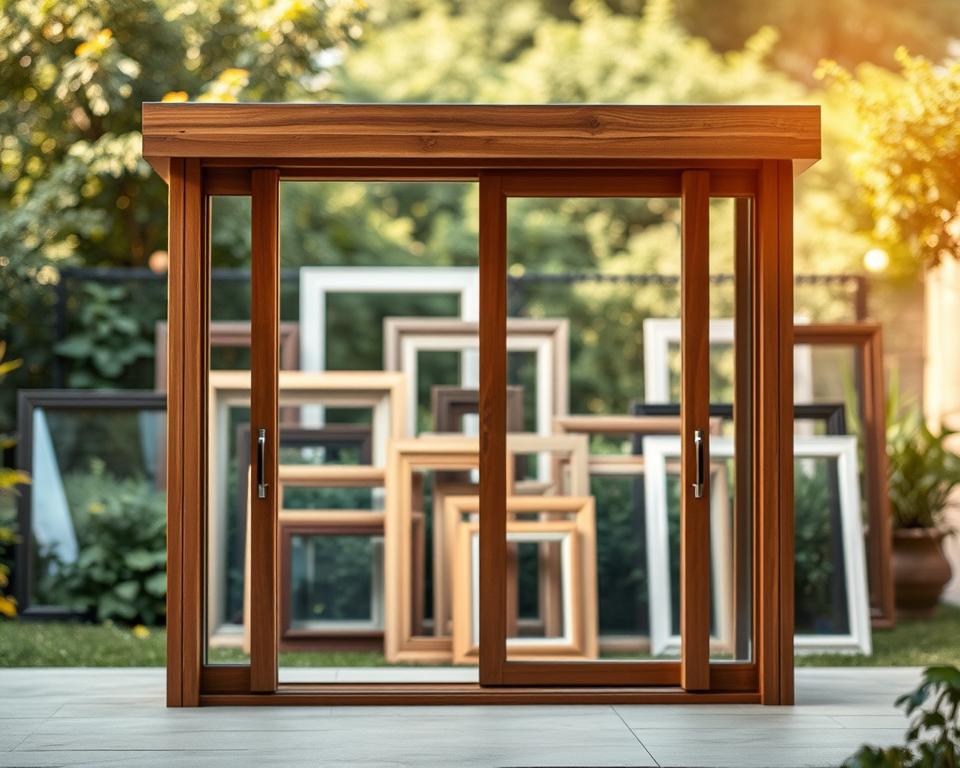
Homeowners have several options when selecting materials for their window and door surrounds. Each choice offers distinct advantages in terms of aesthetics, maintenance, and durability.
Timber, uPVC and Aluminium Frames
Timber frames provide classic warmth and natural charm that complements traditional garden settings beautifully. This material choice creates an authentic, organic feel that many homeowners prefer.
uPVC represents a low-maintenance, cost-effective alternative available in various finishes. Its versatility makes it popular for those seeking practical solutions with minimal upkeep requirements.
Aluminium frames feature increasingly in contemporary garden buildings. They offer slim profiles and modern styling while delivering impressive structural strength and longevity.
Maintenance and Longevity
Natural timber requires regular maintenance including painting or staining to preserve its appearance. Without proper care, wooden frames can deteriorate over time.
uPVC and aluminium both offer excellent durability with minimal maintenance needs. These materials withstand weather conditions effectively, maintaining their appearance for years.
| Material | Maintenance Level | Aesthetic Appeal | Lifespan |
|---|---|---|---|
| Timber | High – regular treatment needed | Classic, warm appearance | 20-30 years with care |
| uPVC | Low – occasional cleaning | Modern, versatile finishes | 25-35 years |
| Aluminium | Very low – minimal upkeep | Sleek, contemporary style | 40+ years |
The ideal frame material depends on balancing aesthetic preferences with practical maintenance considerations. Each choice contributes differently to the overall design and functionality of garden room windows.
Design and Layout Considerations for Garden Rooms
Beyond the technical specifications of glazing, the spatial arrangement and aesthetic details define the user experience. A cohesive design integrates the structure with its surroundings while meeting practical needs for light and air.
This holistic approach ensures the final garden room is both beautiful and highly functional.
Maximising Natural Light and Ventilation
Strategic placement of windows is crucial for optimising natural light. Positioning larger windows to capture morning or afternoon sun floods the interior with daylight.
This creates a bright, welcoming space without sacrificing thermal efficiency. Thoughtful design balances large glazed areas with well-insulated walls and roof sections.
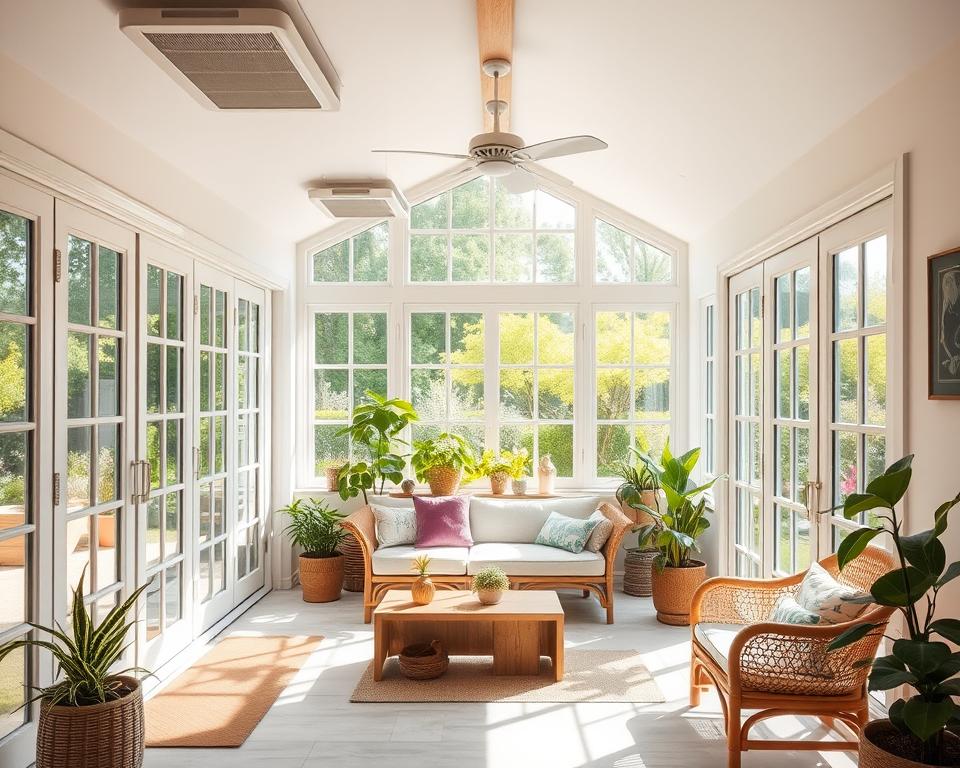
Effective ventilation is equally important for a comfortable room. Even with advanced windows, opening them provides essential airflow during warmer months.
Planning for operable windows on opposite walls encourages cross-ventilation. This simple strategy keeps the interior fresh and pleasant.
Coordination of materials elevates the overall style. Matching window and door frames to the exterior cladding creates a unified look.
For overlooked gardens, privacy solutions like integrated blinds or frosted glass offer seclusion without blocking natural light.
| Design Feature | Functional Benefit | Aesthetic Impact |
|---|---|---|
| Large South-Facing Windows | Maximises natural light exposure | Creates an open, airy space |
| Opposing Operable Windows | Promotes effective cross-ventilation | Enhances connection to the garden |
| Coordinated Frame Materials | Ensures long-term durability | Delivers a polished, cohesive design |
Ultimately, successful garden rooms blend smart design with practical features. This creates a room that is a genuine asset to any home.
Planning and Investment: Long-Term Value
When planning a garden addition, the investment in quality materials pays dividends over time. The initial cost of superior glazing represents a strategic decision with significant long-term benefits.
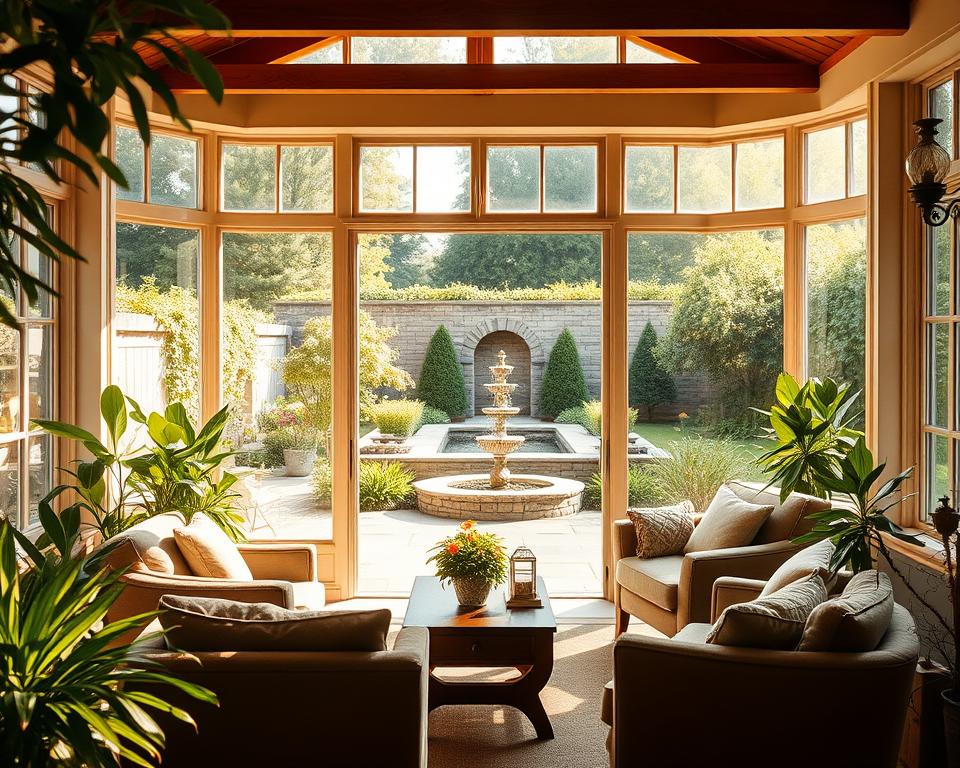
Proper planning considers how building regulations and permissions might affect the project. Larger structures often require more careful consideration of these factors. The right choices during the planning phase prevent costly modifications later.
While single-pane options appear economical initially, they limit the building’s functionality. The structure becomes less practical during colder months, reducing its year-round value.
| Aspect | Single Glazing | Double Glazing |
|---|---|---|
| Initial Cost | Lower upfront | Higher investment |
| Energy Costs | Higher over time | Substantial savings |
| Year-Round Use | Seasonal limitation | 12-month functionality |
| Property Value | Minimal increase | Significant enhancement |
“The true value of an outdoor building emerges not from its initial cost, but from its enduring performance across changing seasons.”
The size of the structure influences the return on investment. Larger spaces benefit more from thermal efficiency. For home offices or studios, the comfort provided by advanced glazing is invaluable.
Smart planning recognises that quality upgrades transform a basic garden building into a versatile asset. The initial expenditure is justified by years of comfortable use and energy savings.
Ultimately, the investment in superior materials ensures the space remains functional and valuable for many years. This forward-thinking approach to planning delivers lasting satisfaction.
Conclusion
Optimal window selection transforms a basic garden structure into a versatile, comfortable retreat. The choice of glazing affects far more than just the panes of glass themselves.
Superior insulation maintains pleasant temperatures during both summer heat and winter chill. This creates spaces suitable for year-round use as offices or creative studios.
Enhanced windows also provide significant noise reduction and improved security. They work alongside frame materials, roof design, and interior layout to form a cohesive building.
While the initial investment may be higher, the long-term value becomes clear over time. The extended usability and energy savings justify the choice for most garden buildings in the UK.
Ultimately, informed decisions about glazing ensure these outdoor rooms become genuine assets. They deliver comfortable, functional spaces that enhance any property.
FAQ
What are the main differences between single and double glazing?
Single glazing uses one pane of glass, whereas double glazing incorporates two panes with a sealed air gap between them. This design creates an insulating barrier that significantly improves thermal performance and reduces noise transmission.
How does double glazing improve comfort throughout the year?
It helps maintain a more stable interior temperature by keeping heat inside during colder months and reflecting solar heat in the summer. This creates a comfortable environment for work or relaxation, regardless of the season.
What are the key benefits of choosing double glazing for a garden building?
The primary advantages include superior energy efficiency, enhanced sound insulation, improved security, and better condensation resistance. These factors contribute to a more durable and pleasant space.
Can double glazing help reduce energy consumption?
Yes, by minimising heat loss, double glazed units reduce the need for additional heating in winter. This leads to lower energy usage and can result in savings on utility bills, making the space more cost-effective to run.
Does double glazing offer any soundproofing benefits?
Absolutely. The insulating layer of air between the panes acts as a buffer against external noise. This is particularly beneficial for garden offices or studios in noisy locations, promoting a quieter, more focused atmosphere.
How does the choice of window frame material affect performance?
Materials like timber, uPVC, and aluminium offer varying levels of thermal efficiency and durability. A well-sealed frame is crucial to prevent air leaks, ensuring the glazing unit performs optimally and maintains its insulating properties.
What should be considered regarding natural light and ventilation?
The size and placement of windows should maximise daylight and allow for adequate airflow. Strategic design ensures the space remains bright and well-ventilated, enhancing comfort without compromising on energy efficiency.
Is double glazing a worthwhile long-term investment?
Investing in double glazing increases the initial cost but adds significant value through improved insulation, lower running costs, and enhanced usability. It is a smart choice for those planning to use their garden room year-round.