What Are Metal Sheds Made From? Materials Explained

Garden storage solutions have evolved significantly over recent decades. Many homeowners now choose metal sheds for their practical benefits. These structures offer a modern alternative to traditional wooden options.
The primary materials used in these constructions include galvanised steel, aluminium, and vinyl-coated steel. Galvanised steel forms the foundation of most modern metal shed construction. This material undergoes a zinc coating process that provides excellent protection.
Manufacturers apply multiple layers and specialised coatings during production. These treatments significantly enhance resistance to corrosion and rust. The result is a durable outdoor storage solution built to withstand British weather conditions.
Over the last thirty years, metal sheds have gained substantial popularity across the United Kingdom. High-quality versions now compete effectively with traditional wooden garden sheds. Homeowners appreciate the low maintenance requirements and long-term value.
Understanding the composition of these structures helps with making informed decisions. The choice of material affects durability, maintenance needs, and overall performance. This guide explores the various options available for garden storage.
Inhaltsverzeichnis
Key Takeaways
- Metal sheds primarily use galvanised steel, aluminium, or vinyl-coated steel
- Protective coatings provide strong resistance to corrosion and rust
- These structures have become increasingly popular in UK gardens
- Modern metal sheds offer a practical alternative to wooden storage
- Material choice impacts durability and maintenance requirements
- High-quality construction ensures long-term performance
- Understanding materials helps in selecting appropriate garden storage
Introduction to Shed Materials
Homeowners exploring outdoor storage solutions face a diverse range of construction materials. The choice between resin, wood, vinyl, and metal options significantly impacts the structure’s performance and longevity. Each material offers distinct characteristics that suit different needs and environments.
Wooden structures have traditionally dominated British gardens. Local companies historically delivered and installed these units on-site, creating a strong preference for natural materials. This established wood as the conventional choice for garden storage across the United Kingdom.
The storage market has transformed considerably in recent decades. Manufacturing innovations and efficient distribution methods have introduced competitive alternatives. Metal construction emerged as a viable option, influenced by American production techniques that enabled cost-effective steel fabrication and convenient shipping.
Material selection affects durability, maintenance requirements, and aesthetic appeal. Climate suitability and intended usage also play crucial roles in determining the most appropriate choice. British weather conditions, with frequent rain and humidity, make these considerations particularly important.
No single material proves universally superior. Each option presents unique advantages depending on individual circumstances and priorities. Understanding these differences helps homeowners make informed decisions that align with their specific requirements and budget constraints.
What Are Metal Sheds Made From?
Today’s construction of garden outbuildings employs multiple protective layers and treatments. The foundation of most contemporary units is galvanised steel, a material developed during the industrial revolution.
Galvanisation involves coating standard steel with a layer of zinc. This creates a protective barrier that significantly reduces rust and corrosion risks. The zinc coating acts as a sacrificial layer, corroding before the underlying steel.
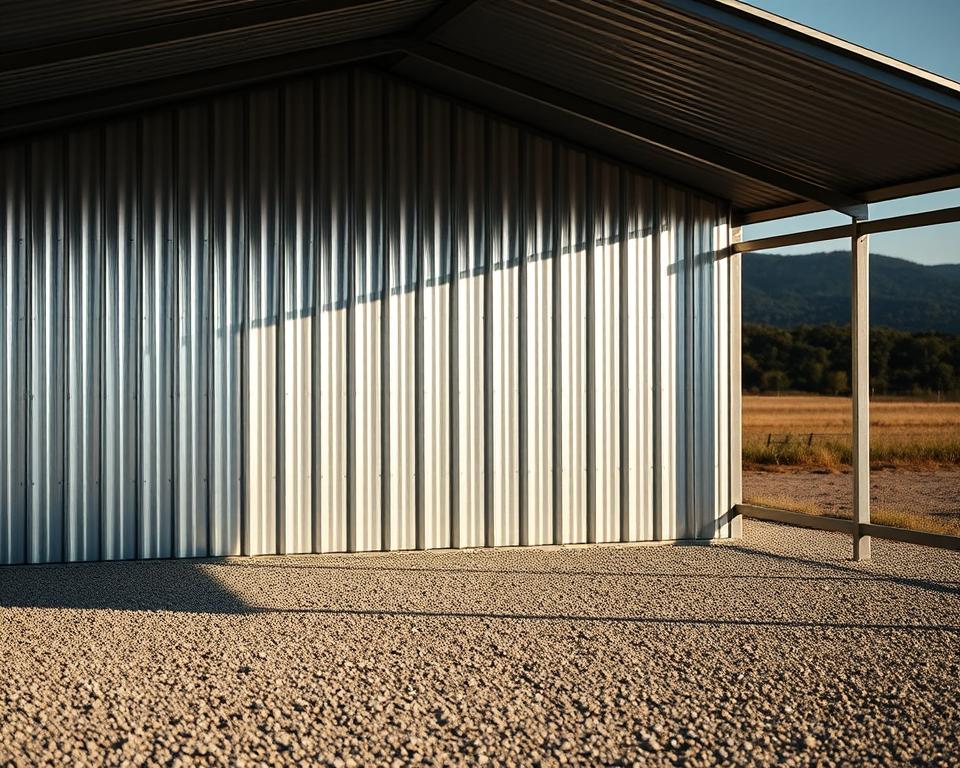
Beyond basic galvanisation, these structures undergo additional coating processes. Manufacturers apply specialised paint layers and weather-resistant treatments. These enhancements provide excellent protection against British weather conditions.
Different metal options are available for garden storage solutions. Aluminium alternatives offer lightweight properties with natural corrosion resistance. Vinyl-coated steel provides an additional protective layer with aesthetic appeal.
The concept of metal gauge thickness is important for durability assessment. Thicker gauges offer greater strength and longevity for the structure. Thinner gauges provide adequate protection for standard residential applications.
Modern manufacturing involves creating separate frame and cladding components. The engineering design ensures frames support cladding weight regardless of dimensions. This sophisticated approach results in durable, long-lasting garden storage.
Construction Materials for Metal Sheds
Material composition plays a crucial role in determining the longevity and functionality of storage sheds. The selection of appropriate construction elements directly impacts performance and durability.
Galvanised Steel and Its Benefits
Galvanised steel serves as the foundation for most modern metal sheds. This material undergoes a specialised zinc coating process that provides exceptional rust resistance.
The zinc layer acts as a sacrificial barrier, corroding before the underlying steel. This protective mechanism ensures long-term durability against harsh weather conditions.
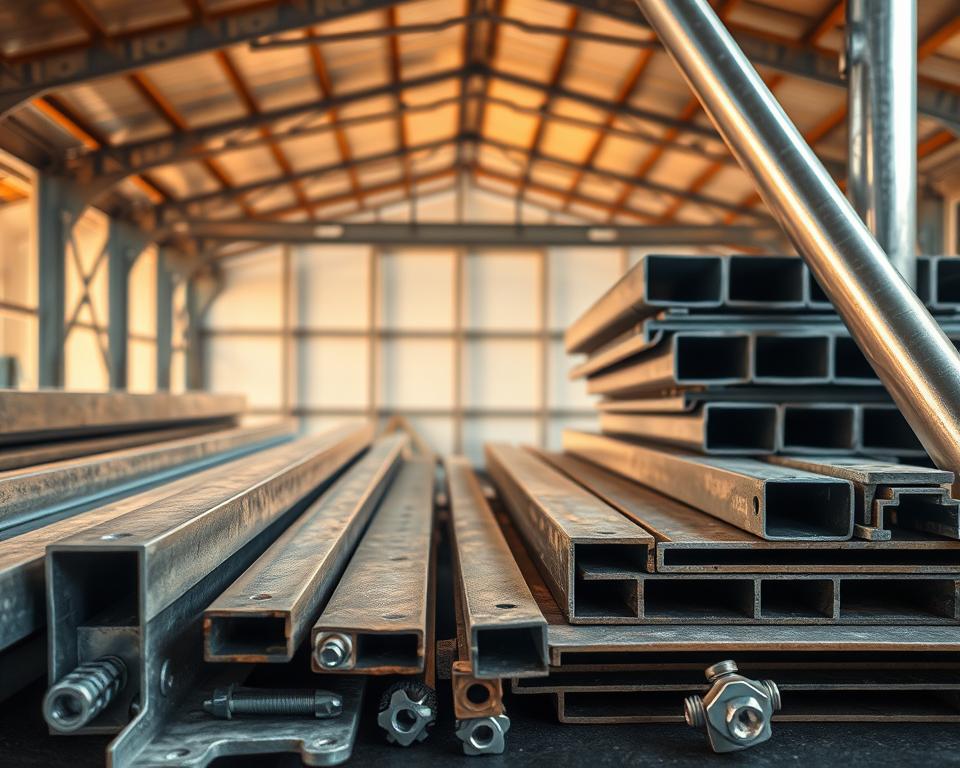
These structures require virtually zero maintenance compared to traditional wooden alternatives. They eliminate the need for annual treatments, painting, or staining.
Properly constructed units offer watertight protection without deteriorating roofing felt. Their fire-resistant properties allow safe storage of combustible materials away from residential buildings.
Aluminium Alternatives and Insulation Properties
Aluminium presents a lighter alternative to steel construction. This material offers natural corrosion resistance without requiring additional galvanisation.
Metal sheds have inherent insulation challenges due to thermal conductivity. Uninsulated interiors can experience significant temperature fluctuations.
Owners can improve thermal performance through various insulation methods. Options include aftermarket panels or integrated insulation during construction.
Some manufacturers offer 3.7mm aluminium insulation solutions. These additions help maintain more stable interior temperatures throughout seasonal changes.
Advantages of Metal Sheds
Choosing a metal shed brings multiple benefits that enhance garden storage functionality. These structures offer practical solutions for homeowners seeking reliable outdoor storage.

Durability, Strength and Security
Metal garden buildings demonstrate exceptional resilience against harsh weather conditions. They withstand heavy rain, strong winds, and snow without structural compromise.
The robust construction provides superior protection for stored items. Properly anchored units resist impacts and maintain integrity over time.
Security features make these structures particularly valuable. Solid metal construction presents a significant barrier against unauthorised access. Adding a quality padlock enhances protection further.
These storage solutions resist common problems affecting wooden alternatives. They remain unaffected by insect infestation, rodent damage, and moisture-related rot.
Low Maintenance and Cost Efficiency
Metal sheds demand virtually zero ongoing upkeep. They eliminate the need for annual treatments, painting, or sealing work.
The combination of affordable purchase price and minimal maintenance creates excellent long-term value. Homeowners save both time and money immediately after installation.
Fireproof properties provide additional safety advantages. This allows secure storage of combustible materials away from residential buildings.
The extended lifespan of these structures makes them a cost-effective option. They require only occasional cleaning rather than regular preservation efforts.
Comparative Analysis: Metal Sheds vs Wooden Sheds
The debate between traditional wooden structures and modern metal alternatives continues among homeowners. Each material offers unique benefits that suit different preferences and requirements.

Design, Aesthetics and Customisation Options
Wooden sheds provide a classic appearance that blends naturally with garden settings. Their natural aesthetic appeals to those seeking traditional charm. Homeowners can easily customise these structures through painting or staining.
Metal versions offer more contemporary designs with utilitarian appeal. Modern finishes have improved their visual appeal significantly. However, customisation options remain limited compared to wooden alternatives.
Property style often influences the final choice. Traditional homes typically suit wooden sheds better. Modern properties may benefit from metal’s cleaner lines.
Maintenance Requirements and Longevity
Wood demands regular upkeep to maintain its condition. Without consistent treatment, these structures become vulnerable to rot and insect damage. Proper maintenance involves staining and sealing every few years.
Metal sheds require significantly less ongoing care. Occasional cleaning and rust spot treatment usually suffice. Their lifespan extends considerably with minimal intervention.
Climate considerations affect performance. Wood performs adequately across various conditions with proper care. Metal excels in dry climates but may develop rust issues in humid environments.
| Feature | Wooden Sheds | Metal Sheds |
|---|---|---|
| Initial Cost (Medium Size) | £500-£2,000 | £300-£1,500 |
| Annual Maintenance | Staining, sealing required | Occasional cleaning only |
| Customisation Potential | High – easy modifications | Limited options available |
| Durability in Harsh Conditions | Vulnerable to moisture damage | Excellent rust resistance |
| Expected Lifespan with Care | 15-25 years | 20-30 years |
The right shed choice balances aesthetic preferences with practical maintenance considerations.
Both materials represent valid options for garden storage. The decision ultimately depends on individual priorities regarding appearance, upkeep, and budget.
Exploring Other Shed Materials
Beyond traditional wood and steel constructions, resin and vinyl alternatives present innovative solutions for modern garden storage. These materials combine benefits from various traditional options while addressing their limitations.

Resin, Vinyl and Their Environmental Benefits
Resin constructions represent a significant advancement in shed technology. Manufacturers design these units to capture the strengths of wood, vinyl, and steel while eliminating common drawbacks.
Environmental considerations make resin options particularly appealing. Companies like Keter utilise 100% recyclable materials in their production processes. This sustainable approach reduces environmental impact compared to traditional wood alternatives.
Both resin and vinyl offer exceptional resistance to common garden storage problems. They withstand moisture, UV exposure, and pest infestations without deterioration. This makes them ideal for British weather conditions with frequent rain and humidity.
Assembly represents another key advantage of these modern materials. Lightweight components and straightforward kit construction simplify the installation process. Homeowners can typically complete assembly without professional assistance.
| Feature | Resin Sheds | Vinyl Sheds | Metal Alternatives |
|---|---|---|---|
| Price Range | £800-£2,500 | £1,500-£3,500 | £300-£1,500 |
| Maintenance Level | Very Low | Minimal | Low |
| Weather Resistance | Excellent | Superior UV protection | Good |
| Customisation Options | Limited | Restricted | Moderate |
While initial costs may exceed steel options, resin and vinyl provide outstanding long-term value. Their durability and minimal upkeep requirements make them cost-effective choices for garden storage solutions.
Installation and Assembly Guide
Proper preparation is the cornerstone of a successful build. Following a clear plan ensures the installation process is smooth and the final structure is secure and long-lasting.

Site Preparation and Base Requirements
A perfectly level base is non-negotiable. Sheds need a solid foundation, typically concrete slabs or paving stones. Avoid tarmac, as summer heat can soften it, causing anchor bolts to loosen.
An uneven base is the primary cause of assembly frustration. It throws panels out of alignment, making it seem parts are faulty. Laying a damp proof membrane underneath minimises condensation risk.
Plan utilities like electrical conduits or water pipes before starting. Feeding these through the floor during construction is far simpler than retrofitting later.
Tools and Construction Tips
Gather your tools beforehand. An electric screwdriver is essential due to the hundreds of screws involved. Allocate sufficient time, approximately 4-6 hours for two people assembling a medium-sized unit.
Patience and preparation prevent poor performance. Never attempt assembly on windy days, as panels act like sails, risking damage and injury.
Wear gloves and suitable clothing for protection. The method is logical: first, construct the frame like a tent, then attach the cladding panels. Avoid fully tightening screws until all panels are aligned correctly.
Always check the parts list before beginning. Discovering a missing component mid-way through is frustrating and wastes valuable time.
Maintenance Tips for Metal Sheds
Maintaining metal garden buildings requires minimal effort but delivers significant long-term benefits. These structures are designed for durability with proper care.
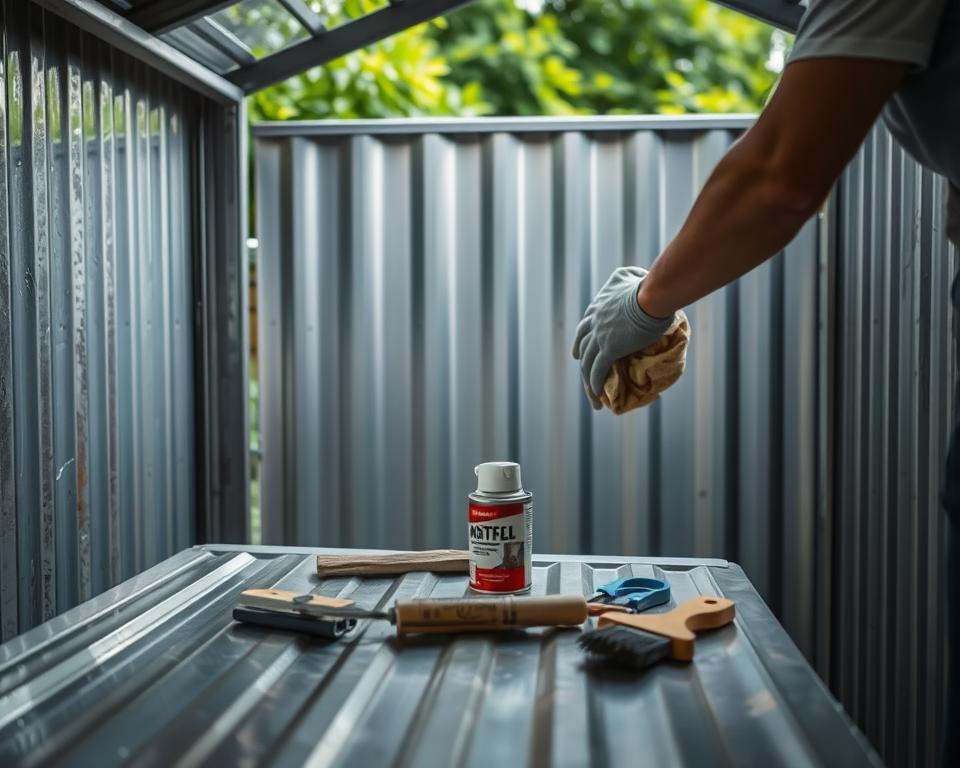
Rust Prevention and Weather Resistance
Regular inspection helps prevent rust formation. Look for scratches or dents that expose bare metal. Treat any damage promptly with touch-up paint.
Proper base construction is crucial for weather resistance. Ensure the foundation slopes away from the structure. This prevents water accumulation.
Regular Upkeep for Prolonged Lifespan
Occasional cleaning with soap and water removes dirt and debris. This simple upkeep maintains appearance and function.
Check drainage channels after heavy rain. Clear any blockages to ensure proper water flow away from the building.
| Season | Maintenance Task | Frequency | Purpose |
|---|---|---|---|
| Spring | Inspect for winter damage | Annual | Identify rust spots |
| Summer | Clean exterior surfaces | Bi-annual | Remove dirt buildup |
| Autumn | Check sealants | Annual | Prevent water ingress |
| Winter | Clear snow from roof | As needed | Prevent structural stress |
“Proper maintenance extends the life of any garden structure. A little care goes a long way in preserving your investment.”
Quality manufacturers often provide extensive warranties. Some brands offer up to 12 years of protection against rust issues.
Cost Considerations and Value
Financial planning is essential when selecting garden storage. Understanding the complete cost picture helps homeowners make informed decisions. This analysis covers both immediate expenses and long-term value.

Budget-Friendly Options and Pricing Factors
These structures typically represent the most affordable large storage option. Medium-sized units range from £300-£1,500, offering significant savings over wooden alternatives. The lower material costs contribute to this competitive pricing.
Several factors influence the final cost. Size, gauge thickness, and brand reputation all affect the price. Additional features like windows or extended warranties also impact the budget.
For those with limited funds, these units provide excellent value. They offer substantial storage capacity without significant financial commitment. This makes outdoor organisation accessible to more households.
Long-Term Savings through Durability
The true value extends beyond the initial purchase. These structures deliver impressive long-term savings through their durability. Owners avoid annual maintenance costs associated with wooden alternatives.
Quality brands often provide extensive guarantees. Some offer up to 12 years of protection against rust issues. This warranty coverage provides peace of mind and financial security.
When considering total ownership costs, these units often prove most economical. They require minimal upkeep and rarely need repairs. This combination of affordability and longevity makes them a wise investment for garden storage needs.
Customisation and Accessories
While structural modifications present challenges, homeowners can significantly enhance their metal shed’s functionality through clever customisation and accessories. These units offer practical solutions despite their inherent limitations compared to wooden alternatives.
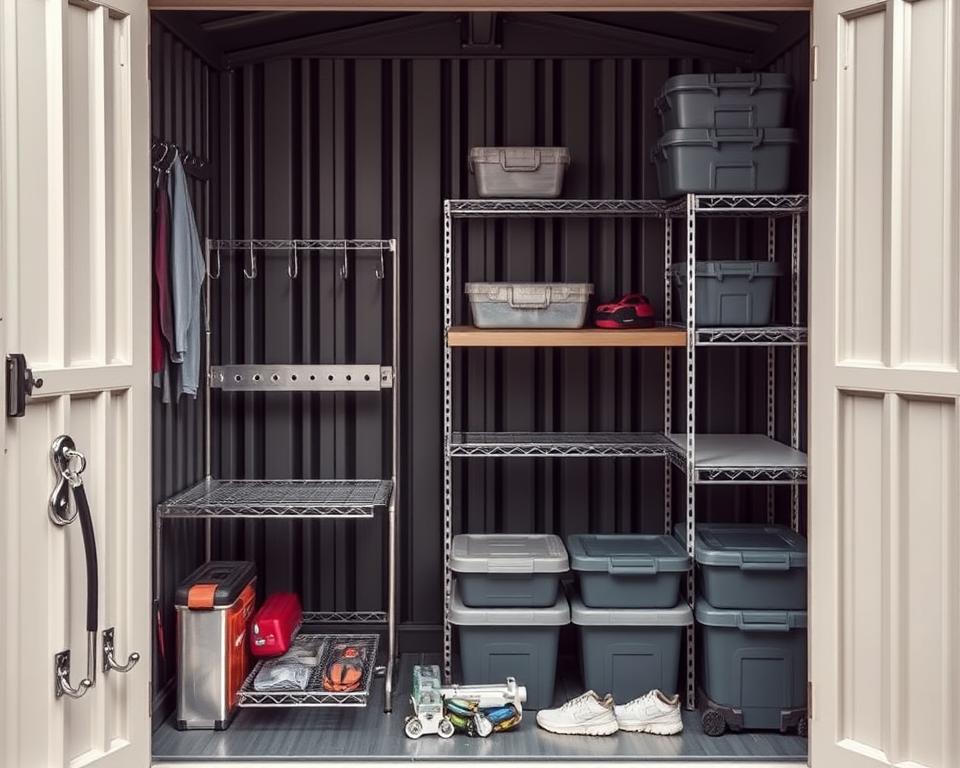
Manufacturers understand these constraints and often include built-in features. Quality designs incorporate excellent ventilation systems and optional skylights for brighter interiors. Some ranges offer guttering and anti-tamper bolts as standard or upgrade options.
Enhancing Security and Storage Efficiency
Security begins with the structure’s solid construction. Adding a quality padlock creates a formidable barrier against intruders. The metal panels naturally resist forced entry more effectively than many other materials.
For valuable items like bicycles or power tools, additional measures prove worthwhile. Insurance companies often view these secure storage solutions favourably. Consider reinforced locking mechanisms for high-value equipment.
| Security Feature | Standard Inclusion | Upgrade Option | Protection Level |
|---|---|---|---|
| Anti-tamper bolts | Some models | Most ranges | High |
| Reinforced door frames | Premium models | Limited availability | Very high |
| Multiple locking points | Basic models | Widely available | Medium |
Storage efficiency requires planning around drilling restrictions. Freestanding shelving units and hook systems that leverage existing frames work well. This approach maintains warranty protection while organising garden tools effectively.
“Smart organisation turns limited space into highly functional storage. The key is working with the structure’s strengths rather than against its limitations.”
Different designs accommodate specific needs through wide doors and increased clearance. Planning your storage layout before purchase ensures the configuration matches your requirements perfectly.
Conclusion
Selecting the ideal garden storage solution requires careful consideration of long-term benefits and practical requirements. These structures have evolved into sophisticated options that serve diverse needs effectively.
Constructed primarily from galvanised steel or aluminium, these units feature protective coatings that ensure resistance to corrosion. This construction allows them to withstand challenging weather conditions for many years. The durability means they require minimal upkeep compared to traditional alternatives.
For homeowners seeking reliable storage, these garden sheds offer excellent value. They combine affordable pricing with lasting performance. The security features provide peace of mind for valuable items.
While customisation options may be limited, the advantages often outweigh this consideration. Proper installation on a level base ensures optimal performance. Modern designs include features like windows and ventilation for enhanced functionality.
Ultimately, the right choice depends on individual storage needs and lifestyle requirements. Understanding the materials and construction empowers informed decisions. These practical solutions offer an efficient way to organise outdoor spaces for years to come.
FAQ
What are the primary materials used in metal sheds?
The main materials are galvanised steel and aluminium. Galvanised steel is popular for its exceptional strength and rust resistance, while aluminium offers a lightweight, naturally corrosion-resistant option.
How does the maintenance of a metal shed compare to a wooden one?
Metal sheds require significantly less upkeep. They do not need regular painting or treatments to prevent rot and insect damage, unlike wooden sheds which demand periodic maintenance to preserve their condition.
Are metal sheds secure for storing valuable items?
Yes, their robust construction provides excellent security. Many models feature reinforced doors and locking systems, making them a strong choice for protecting garden tools, bicycles, and other equipment.
Can a metal shed be insulated?
Absolutely. While basic models may not include insulation, it is possible to add insulation panels. This is particularly beneficial for those using the structure as a workshop or for temperature-sensitive storage.
What kind of base is required for a metal shed?
A solid, level base is essential for stability and longevity. Suitable options include a concrete slab, paving slabs, or a treated timber frame. A proper base prevents water pooling and protects the structure’s floor.
Do metal sheds suffer from condensation issues?
They can be prone to condensation without adequate ventilation. It is advisable to choose a model with built-in ventilation or to install vents to ensure air circulation, which helps to reduce moisture buildup.
How long can I expect a metal shed to last?
With proper installation and minimal upkeep, a quality metal shed can last for 15 to 25 years or more. Its resistance to weather, corrosion, and pests contributes to its impressive lifespan.