Allotment Ideas to Maximise Your Garden Plot
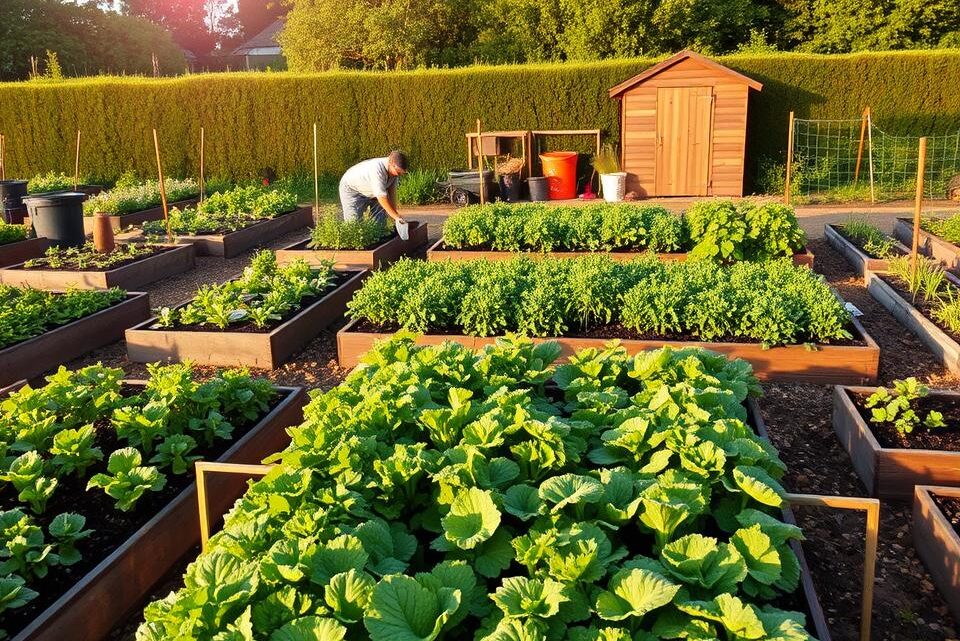
For many across the United Kingdom, securing a patch of land offers a unique opportunity. This comprehensive guide is designed to help individuals transform their outdoor space into a highly productive area. Whether one is a novice gardener or has years of experience, these strategies are invaluable.
Cultivating a personal garden provides numerous benefits beyond fresh produce. It fosters a connection with nature, encourages physical activity, and can become a rewarding community endeavour. Effective planning is the cornerstone of success for any horticultural project.
This resource delves into practical methods for assessing available space and designing efficient layouts. It explores techniques like vertical growing and companion planting to enhance yield. Readers will find actionable solutions for common challenges such as poor soil quality and limited time.
The aim is to equip gardeners with the knowledge to create a sustainable and bountiful growing area. From initial preparation to seasonal care, this blog covers the essential steps for a thriving horticultural experience.
Inhaltsverzeichnis
Key Takeaways
- Effective planning is essential for creating a productive and manageable growing space.
- Techniques like vertical gardening and companion planting can significantly increase yields.
- Improving soil health is a fundamental step towards a successful harvest.
- Strategic layout design helps in overcoming limitations of a smaller area.
- Understanding crop rotation supports sustainable gardening practices year after year.
- Addressing common issues like water access saves time and improves plant health.
- A well-maintained plot provides fresh food and enhances personal well-being.
Planning Your Allotment Plot
A successful growing area begins with a detailed and thoughtful initial strategy. This phase saves considerable effort later by preventing the need to relocate structures after planting. A good plan accounts for the unique characteristics of the space.
Assessing Your Space and Soil Quality
Gardeners should first accurately measure their plot dimensions. They must identify permanent features like sheds, trees, and fences. Marking these on a diagram helps determine the true available space for beds.
Evaluating sun exposure throughout the day is essential. Most plants require several hours of direct sunlight for optimal growth. This assessment directly influences where specific crops should be positioned.
Soil health is fundamental. A simple pH test can reveal a lot about nutrient content and type. Understanding the soil guides plant selection and indicates if amendments like lime are necessary.
Mapping Out Layout and Pathways
When designing the layout, bed size is a key consideration. A width of 1.2 metres allows easy access to the centre without compacting the soil. Manageable lengths make maintenance simpler.
Pathways must be functional. They should be wide enough for a wheelbarrow with extra room to manoeuvre. This way, equipment moves freely without damaging plants.
Incorporating designated areas for storage from the start prevents future complications. This ensures compost bins and tools have a home that doesn’t block access.
Choosing path materials involves balancing cost and durability. The table below compares common options:
| Material | Cost | Durability | Benefits |
|---|---|---|---|
| Wood Chips | Low | Short-term | Improves soil as it decomposes |
| Gravel | Medium | Long-term | Low maintenance, good drainage |
| Crushed Stone | Higher | Very long-term | Most stable and permanent surface |
Allotment Ideas to Maximise Your Garden Plot
Once the initial plan is in place, the focus shifts to practical action. Implementing a clear strategy for preparing the land is the first critical step towards a productive season. This approach turns a daunting task into a series of manageable achievements.
Utilising Your Plot Effectively
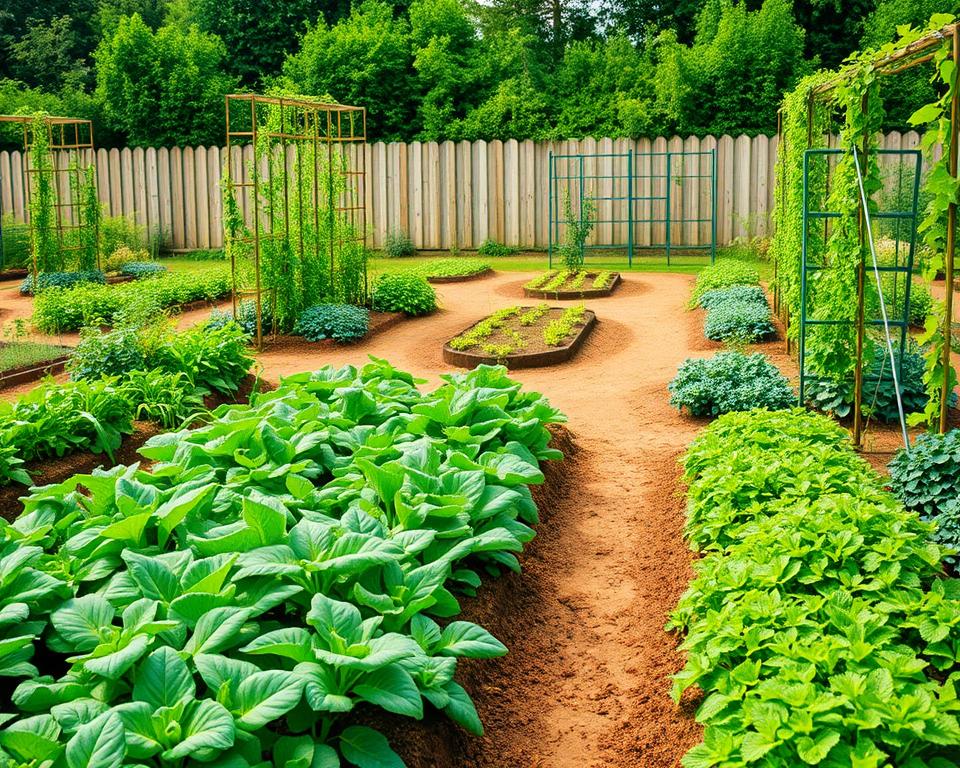
A highly effective way to begin is by dividing the plot into smaller sections. Gardeners should clear and cultivate one area at a time. This method prevents feeling overwhelmed and allows for early planting success.
Covering untouched ground with cardboard or black plastic is a key tip. This suppresses weeds and improves soil structure for future use. It is a simple yet powerful technique for long-term management.
Before clearing, it is wise to check for wildlife. Leaving a patch of long grass can shelter helpful creatures like hedgehogs. These animals offer natural pest control, benefiting the entire allotment.
Timing clearance work for winter is another smart idea. Weeds are dormant then, making removal easier. This prepares the space perfectly for spring sowing.
A good layout makes the most of available space. Techniques like intercropping and succession planting ensure a continuous harvest. Creating a list of priorities helps gardeners stay organised and efficient throughout the year.
Maximising Space and Enhancing Soil Health
Practical infrastructure decisions significantly impact the productivity and sustainability of any cultivated space. Implementing well-considered systems for growing areas and resource management creates an efficient foundation for success.
Building Raised Beds and Compost Areas
Constructing raised beds offers superior control over soil quality and drainage. These elevated structures warm the ground faster in spring, extending the growing season.
Various materials suit different needs and budgets. Untreated timber provides a natural look, while composite options offer longevity. The ideal bed size allows easy access from all sides.

Establishing a compost bin transforms garden waste into valuable nutrients. Position it conveniently for regular additions while allowing space for turning. Many gardeners find two bins facilitate continuous production.
Improving Drainage and Mulching Techniques
Proper soil preparation prevents waterlogging that damages crop roots. Double digging breaks up compacted layers, improving drainage significantly.
Mulching suppresses weed growth and retains moisture. Organic options like grass clippings feed the soil as they decompose. This technique reduces watering needs throughout the year.
Installing an Efficient Watering System
Rainwater harvesting provides sustainable irrigation. Collected water lacks treatment chemicals, which plants often prefer. This system saves money and reduces manual effort.
Strategic placement ensures crops receive consistent moisture. Drip irrigation lines deliver water directly to roots, minimising waste. This approach supports healthy growth while conserving resources.
Innovative Techniques for Vertical and Horizontal Planting
Innovative planting methods unlock the full potential of any cultivated space, regardless of its dimensions. These strategies allow for a significant increase in yield without requiring a larger footprint. They are essential for making the most of every available area.
Using Trellises and Arbours
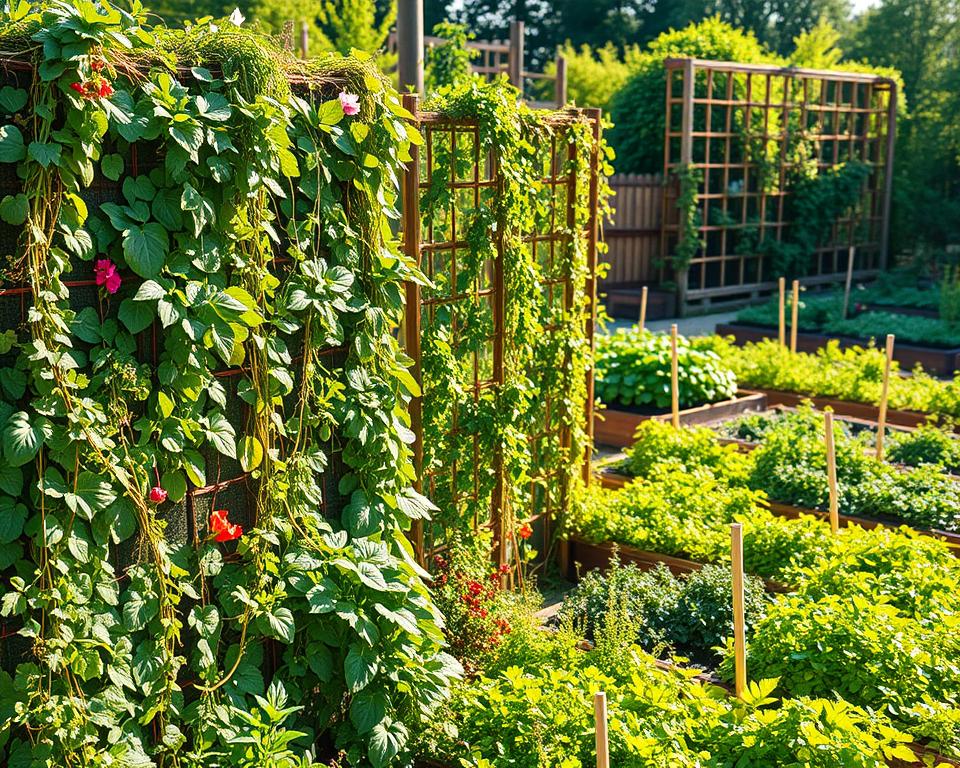
Vertical growing is one of the most effective ways to expand cultivation. Structures like trellises and arbours support climbing plants such as beans and cucumbers. This approach saves valuable ground space for other crops.
These supports improve air circulation around the plant foliage. This reduces the risk of disease. Harvesting also becomes easier when fruits are visible and accessible.
Designing Multi-Tier Planting Beds
Stepped or tiered beds create multiple levels for planting. This design increases the total growing area within the same footprint. Each tier can host plants with different needs.
Gardeners can position sun-loving crops on higher levels. Shade-tolerant varieties thrive on lower tiers. This clever layout optimises light exposure across the allotment.
Understanding the sun pattern is crucial for placing plants correctly. Leafy greens often tolerate shadier spots better than fruit-bearing varieties. Selecting the right crop for each microclimate ensures success.
The table below compares popular vertical support structures:
| Structure Type | Best For | Material Options |
|---|---|---|
| Trellis | Beans, Peas, Cucumbers | Wood, Metal, Bamboo |
| Arbour | Squash, Gourds, Melons | Treated Timber, Metal |
| Obelsik | Climbing Flowers, Peas | Willow, Metal Rods |
For horizontal space, techniques like intercropping are highly effective. Fast-growing plants are grown alongside slower ones. This ensures continuous productivity from the beds.
The size and arrangement of these garden elements should be planned carefully. A well-designed allotment uses both vertical and horizontal planes efficiently. This creates a highly productive and visually appealing garden.
Integrating Companion Planting and Crop Rotation
Advancing beyond basic layout, strategic plant management becomes crucial for sustained productivity. Two powerful techniques, companion planting and crop rotation, work in harmony to boost yields and protect soil vitality.

Benefits of Companion Planting
Companion planting is a highly efficient growing method. It involves cultivating different crops near one another in the same bed. This leads to healthier plants, higher yields, and natural pest protection.
Successful combinations create a supportive environment. For instance, tomatoes thrive with basil, which deters pests. Similarly, carrots and onions protect each other from specific flies.
This practice allows gardeners to maximise space. Fast-growing lettuces can be interplanted with slower crops like squash. The lettuces are harvested before the squash needs the full area.
Planning a Successful Crop Rotation
Crop rotation is essential for long-term soil health. It involves planting different crops in the same area each year. This prevents nutrient depletion and breaks pest cycles.
A minimum of three similarly sized beds is necessary. A four-bed system offers greater flexibility. Each bed hosts a different plant family annually.
Creating a plan before the growing season is vital. Gardeners should make a list and mark out plots clearly. This careful organisation extends the productive life of the soil.
Perennial plants like asparagus need a permanent bed. They do not participate in the rotation cycle. This foresight ensures every part of the space is used effectively.
Caring for Your Allotment: Maintenance and Seasonal Tips
Regular care and seasonal adjustments are fundamental to ongoing horticultural success. A thoughtful approach to maintenance ensures that the effort invested in planning and planting continues to yield results. This section provides practical guidance for sustainable plot management.
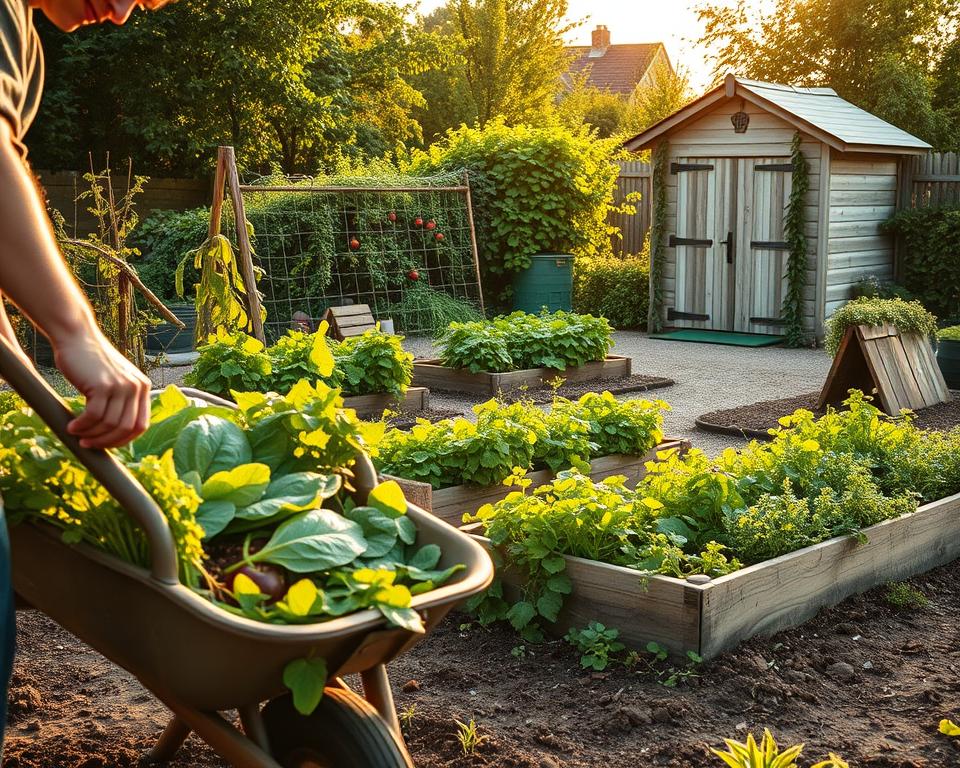
Choosing Low-Maintenance, Resilient Plants
Selecting hardy varieties significantly reduces the time required for upkeep. Disease-resistant plants thrive with minimal intervention, making them ideal for gardeners with limited availability. These robust crops tolerate variable weather conditions effectively.
Quick-growing options like salad leaves and radishes provide satisfying results within weeks. They are perfect for beginners or those who want to get started with visible progress. These plants can be successionally planted for continuous produce.
Longer-season varieties including potatoes and beetroot require patience but deliver substantial harvests. They make efficient use of space throughout the growing months. Proper planning ensures a steady supply of fresh vegetables.
Adapting Techniques for Each Season
Understanding seasonal rhythms helps gardeners plan their time effectively. Spring and summer demand 4-6 hours weekly for intensive gardening activities. Autumn and winter require only occasional maintenance visits.
Adopting a “little and often” approach prevents tasks from accumulating. Regular brief visits allow for prompt addressing of weeds and pests. This proactive strategy maintains plot health efficiently.
Water management should adapt seasonally. Spring requires careful moisture monitoring for germination. Summer demands regular irrigation, while autumn and winter need minimal supplemental water. Organic pest control methods protect beneficial wildlife.
Seasonal planting ensures continuous harvests. The table below shows optimal timing for popular vegetables:
| Crop | Sowing Period | Harvest Time |
|---|---|---|
| Salad Leaves | Three weeks after planting until late autumn | Continuous |
| Radishes | Three weeks after last frost until late summer | 3-4 weeks |
| Spring Onions | March-July | 8 weeks |
| Tomatoes | February-April | July-October |
| Beetroot | March-July | From September |
Establishing efficient storage systems streamlines operations. A weatherproof bin or small shed protects valuable equipment. Creating a list of seasonal tasks helps maintain organisation throughout the year.
Conclusion
Transforming an outdoor area into a productive venture yields benefits that last a lifetime. Growing your own food offers rewards beyond fresh produce, including valuable skills development and the deep satisfaction of cultivation.
This blog has shown how proper planning and techniques can enhance any cultivated space. The journey from securing an allotment to harvesting represents a rewarding progression. It builds resilience and creates a sustainable approach to food production.
Successful gardening balances careful planning with practical action. The initial time invested pays ongoing dividends through reduced maintenance. Techniques like companion planting work together to create a productive ecosystem.
Beyond tangible benefits, gardening enriches life through physical activity and stress reduction. The community aspect provides social connections with fellow gardeners. They share knowledge and exchange surplus produce.
For those ready to get started, these strategies offer a proven pathway. The investment ultimately enhances quality of life through healthier habits. Make sure to approach it as a long-term commitment that grows with each season.
FAQ
How much time should I expect to spend on my plot each week?
The time commitment varies with the seasons and the size of the plot. On average, gardeners might spend a few hours per week during the growing season. This includes tasks like watering, weeding, and harvesting. In winter, maintenance time reduces significantly.
What are the best crops for a beginner to start with?
Beginners often find success with resilient plants like potatoes, courgettes, and salad leaves such as lettuce and rocket. These crops are generally forgiving and provide a rewarding harvest, making them ideal for those new to gardening.
How can I improve poor soil quality on my plot?
The most effective way to enhance soil is by adding plenty of organic matter. Regularly incorporating well-rotted compost or manure improves soil structure, fertility, and drainage. A soil test can also guide specific amendments.
What is companion planting and how does it help?
Companion planting is the practice of growing certain plants together for mutual benefit. For example, planting marigolds near tomatoes can help deter pests. This technique can enhance growth, reduce disease, and maximise the use of space.
How do I plan a crop rotation system?
A simple crop rotation plan involves dividing crops into groups (such as roots, legumes, and brassicas) and moving them to a different bed each year. This practice helps prevent soil-borne diseases and manages nutrient levels effectively.
What is the most efficient way to water an allotment?
An efficient watering system focuses on delivering water directly to the plant roots. Using a soaker hose or drip irrigation system conserves water and reduces evaporation. Watering early in the morning is also highly recommended.
Can I have an allotment if I only have a small garden?
Absolutely. Many principles of allotment gardening, such as vertical planting with trellises or using multi-tier beds, are perfect for maximising a small space. Container gardening is another excellent option for limited areas.
How do I control weeds and pests naturally?
Natural weed control includes regular hoeing and applying a thick layer of mulch. For pests, encouraging beneficial insects, using physical barriers like netting, and practising companion planting are effective, chemical-free strategies.