Are Concrete Sheds Any Good?
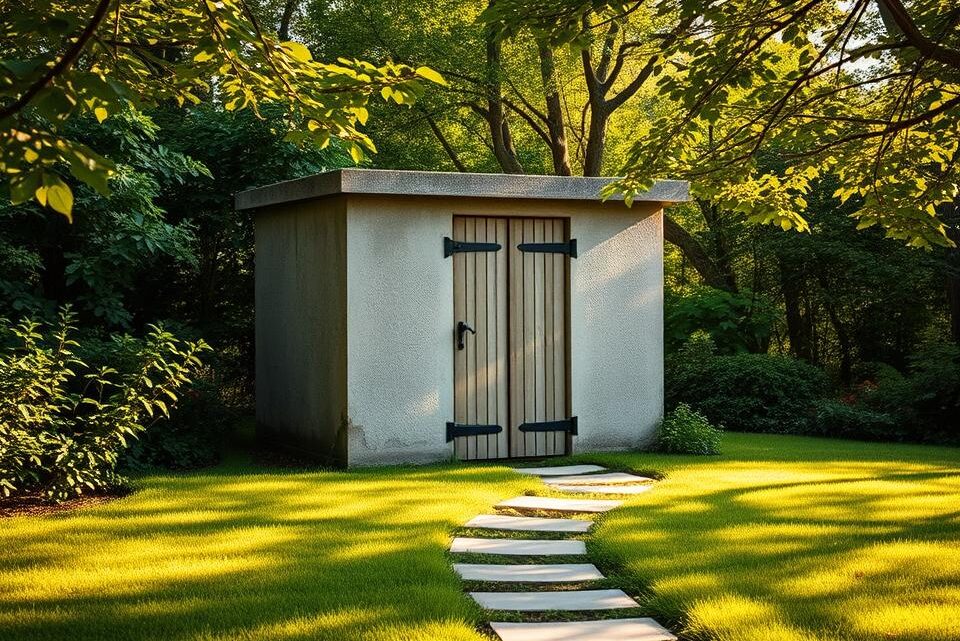
When considering a new garden building, most individuals immediately think of wooden or metal structures. These traditional options are widely available and familiar. However, there exists another, more robust category of outdoor storage that merits serious attention.
This guide offers a comprehensive evaluation of this particular type of construction. It analyses performance, long-term durability, and overall costs compared to other popular materials. The focus is on providing a clear, professional assessment to aid in the decision-making process.
Structures built from this material present unique advantages. They are an excellent choice for those seeking a permanent, highly secure solution for their garden. The decision ultimately hinges on specific requirements, budget, and intended use, whether for storage, a workshop, or a hobby space.
This article will explore all critical aspects. It covers structural integrity, installation considerations, and relevant planning requirements. The goal is to furnish readers with the necessary knowledge to make a fully informed choice for their property.
Inhaltsverzeichnis
Key Takeaways
- Concrete garden buildings offer a robust alternative to traditional wooden or metal sheds.
- They provide superior permanence and enhanced security for valuable items.
- The initial investment may differ from other materials, but long-term durability is a key advantage.
- This option is particularly suitable for those needing a sturdy workspace or long-term storage.
- Individual requirements, budget, and intended usage are crucial factors in the selection process.
- Planning permissions and installation methods for this type of structure are important considerations.
Introduction to Concrete Sheds
Property owners seeking durable outdoor structures often overlook a particularly resilient category of garden building. These constructions provide exceptional longevity and security compared to more common alternatives.
What Defines a Concrete Shed?
A concrete garden building features solid walls and a foundation made from this robust material. The construction typically uses steel-reinforced concrete for maximum strength. Only the roof employs different materials like felt or metal sheeting.
This design creates a framework capable of withstanding significant weight and environmental pressures. The solid base ensures stability while the reinforced walls offer superior protection.
| Feature | Precast Concrete Sheds | Prefab Concrete Sheds |
|---|---|---|
| Manufacturing | Factory-made sections | Ready-to-assemble kits |
| Installation Time | Longer setup | Quicker assembly |
| Cost Implications | Higher initial investment | More budget-friendly |
| Customisation | Limited options | More flexible designs |
Historical and Modern Usage in the UK
Historically, concrete was favoured for garages and larger outbuildings due to its load-bearing capabilities. The material’s permanence made it ideal for structures requiring long-term stability.
Modern applications have expanded significantly. Today’s concrete garages and sheds serve as workshops, home offices, and secure storage spaces. Homeowners appreciate structures that can last 10-15 years with proper maintenance.
This evolution reflects growing demand for permanent garden solutions that provide year-round functionality. The versatility of these buildings makes them suitable for various needs beyond basic storage.
Building and Design Aspects of Concrete Sheds
The construction process for these durable garden structures begins with meticulous planning of the foundation. Proper design ensures long-term stability and functionality.
Structural Integrity and Base Requirements
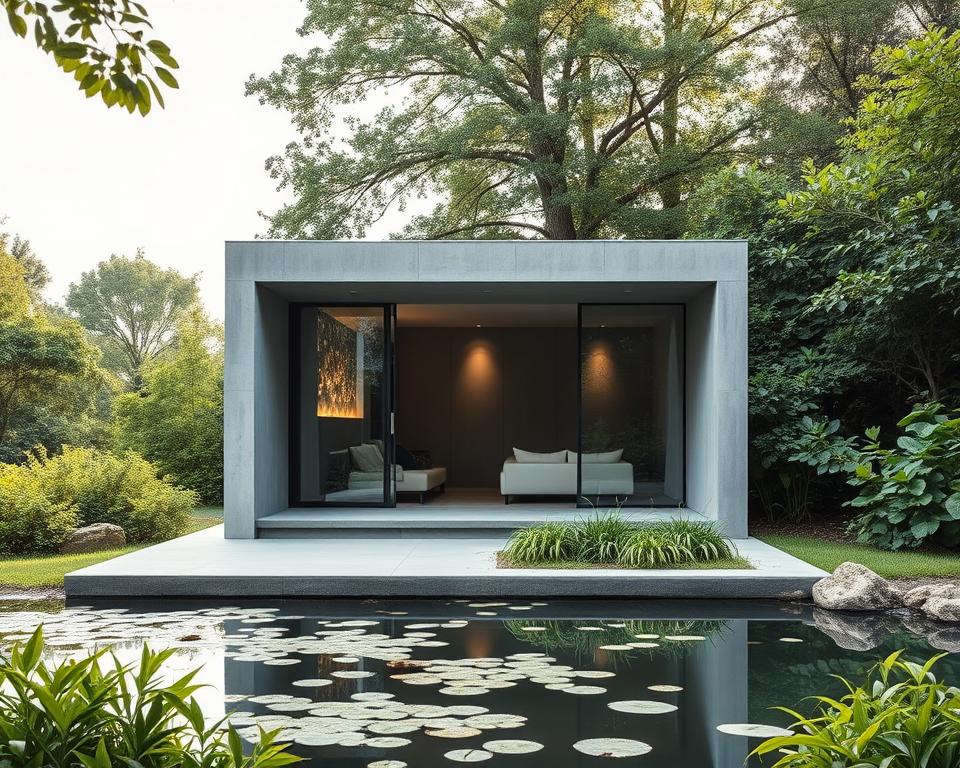
A level, solid foundation is the most critical element for any outdoor storage building. Without this, even the strongest walls may develop issues over time. The base must resist settling and shifting.
Using concrete for both foundation and walls creates a unified structure. This approach eliminates differential settling problems. It provides exceptional stability for heavy items.
Professional installation is strongly recommended for panel assembly. Expert joining prevents water penetration at weak points. Proper construction ensures the building remains watertight for years.
Customisation Options and Finishing Touches
Modern manufacturers offer various personalisation choices. These allow homeowners to tailor the space to specific needs.
As one construction expert noted:
“The true value of concrete construction lies in planning modifications during the design phase rather than after completion.”
Available customisations include:
- Additional windows for natural lighting
- Side doors for improved accessibility
- Integrated insulation for year-round use
- Various exterior finishes and textures
| Customisation Type | Benefit | Consideration |
|---|---|---|
| Extra Windows | Enhanced natural light | Positioning for maximum effect |
| Side Door Addition | Improved access | Structural integrity maintenance |
| Insulation Options | Year-round usability | Additional cost factor |
| Exterior Finishes | Aesthetic appeal | Long-term maintenance needs |
The structural strength allows for clear-span interiors without support posts. This maximises usable floor area for various purposes.
Are Concrete Sheds Any Good?
The longevity of an outdoor building largely depends on its construction materials and design. Structures built from robust substances offer superior performance over many years.
Durability and Weather Resistance
Garden buildings made from cement-based materials demonstrate exceptional resilience. They withstand harsh weather conditions that would damage other options. Properly constructed examples easily last 10-15 years or considerably longer.
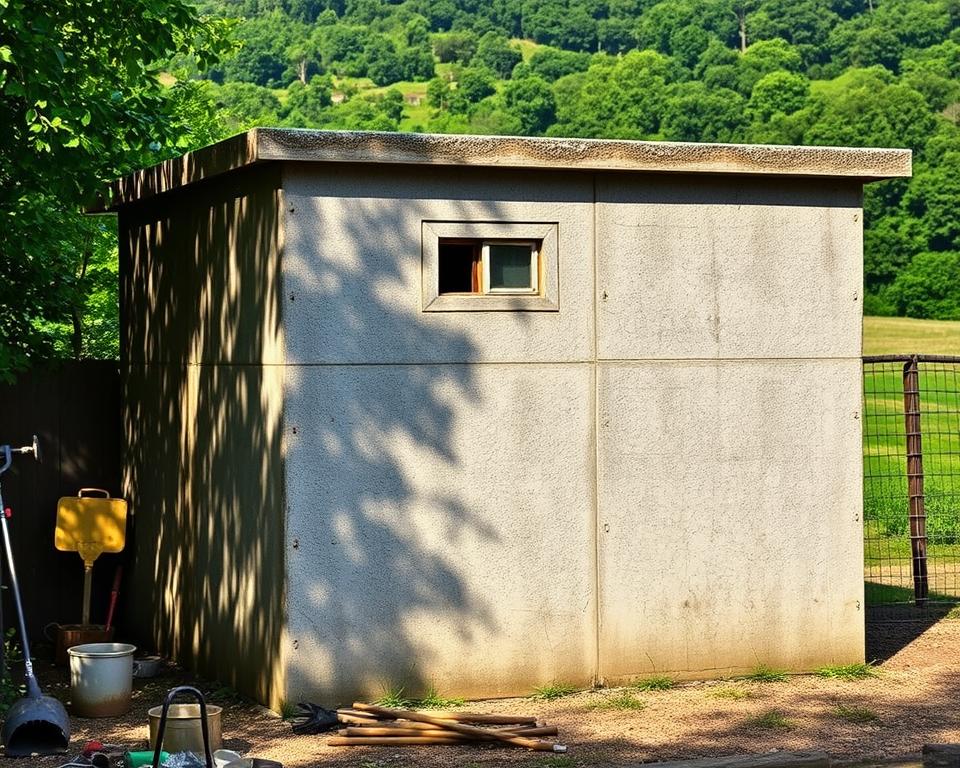
This material’s solid composition prevents moisture ingress effectively. Unlike timber structures that suffer from rot and decay, these buildings remain impervious to water damage. Even standing water from heavy rain causes no structural harm.
Maintenance and Longevity Compared to Other Materials
The maintenance requirements for these structures are minimal compared to wooden alternatives. Timber sheds need regular treatment with preservatives and stains to prevent deterioration.
In contrast, cement-based buildings require only occasional cleaning. A simple wash with a pressure washer removes surface grime effectively. This hard-wearing nature makes them particularly cost-effective over their lifetime.
While minor surface weathering may occur over time, this doesn’t compromise structural integrity. The combination of weather resistance and minimal upkeep makes these buildings an excellent long-term investment for garden storage needs.
Comparing Concrete Sheds to Wooden, Plastic and Metal Options
Selecting the right material for a garden building involves weighing various factors. Each option presents a unique set of advantages and limitations.
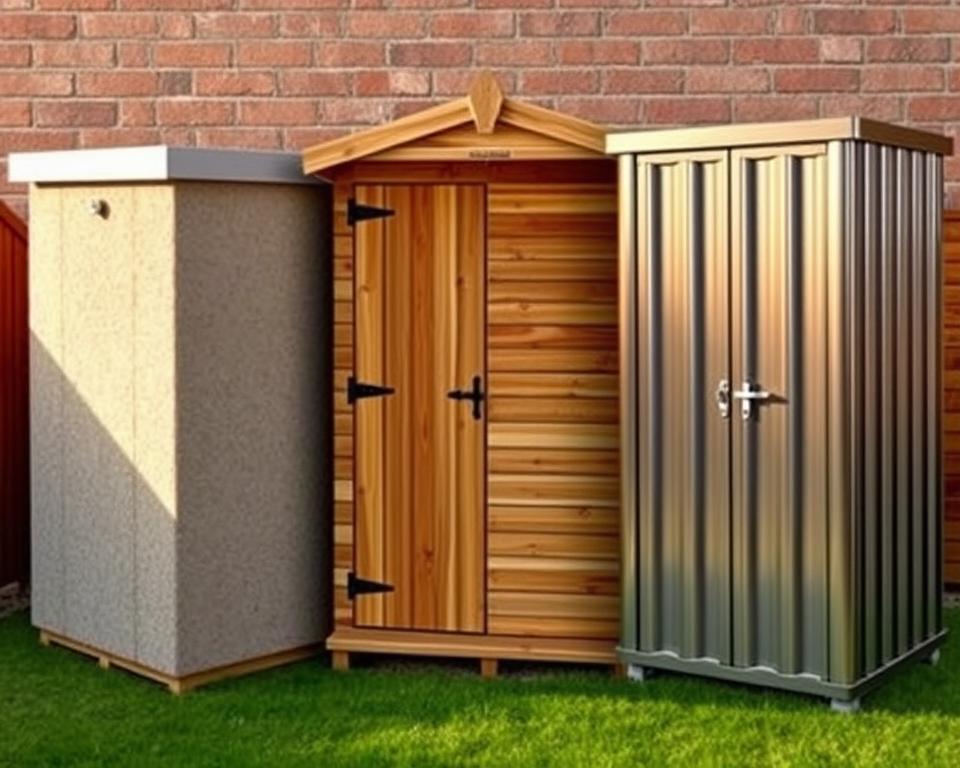
Security and Stability: A Material Comparison
Wooden structures offer a traditional look. Yet, they are vulnerable to moisture damage and rot without a solid foundation. Regular maintenance is essential to prevent structural instability.
Plastic models are cost-effective and eco-friendly. Their interlocking panels make assembly straightforward. However, they cannot match the durability or security needed for valuable contents.
Metal sheds, often made from galvanised steel, provide a simple storage solution. They are functional year-round. But they can be prone to rust and lack the substantial feel of more robust materials.
As one security expert noted:
The physical barrier presented by a solid wall is a significant deterrent against unauthorised access.
The weight and construction of certain materials naturally enhance stability. Lighter alternatives can be susceptible to wind damage.
| Material | Key Advantage | Primary Consideration |
|---|---|---|
| Wood | Traditional Aesthetic | High Maintenance |
| Plastic | Easy Installation | Limited Security |
| Metal | Cost-Effective | Potential for Rust |
| Concrete | Superior Security & Stability | Higher Initial Investment |
For basic garden tool storage, various materials suffice. But for workshops or securing valuable items, a more permanent solution becomes the superior choice. The thickness of the walls also improves insulation.
Costs and Planning Considerations
The expense associated with long-term garden buildings requires careful financial assessment. These permanent structures represent a significant investment compared to temporary alternatives.
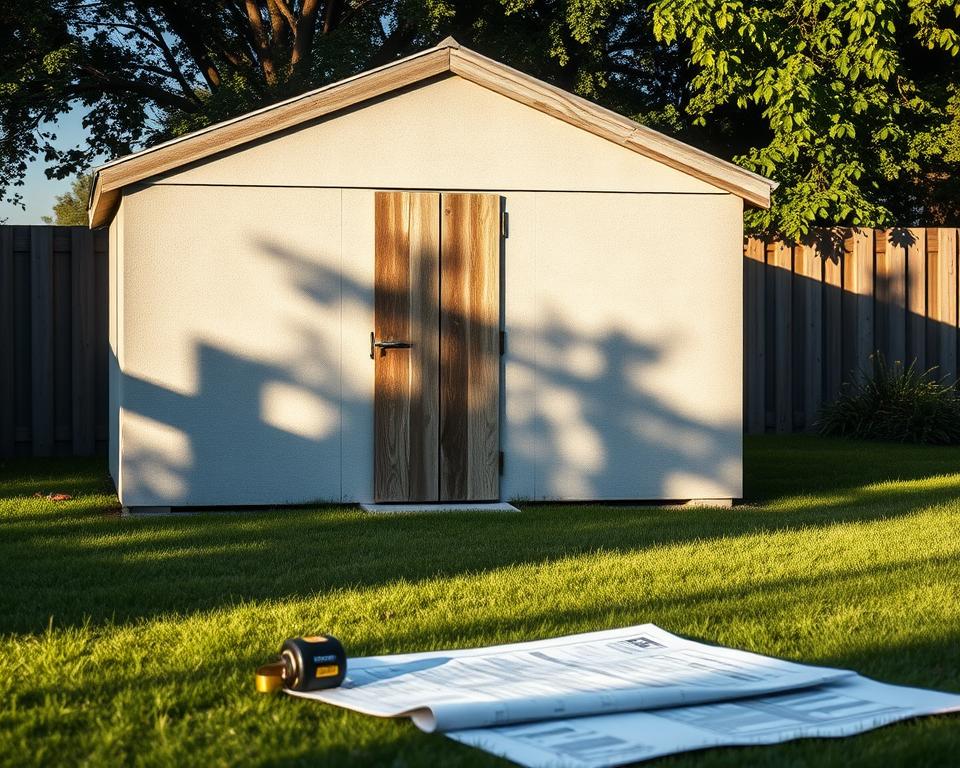
Proper planning ensures the project stays within budget while meeting all regulatory requirements. Homeowners should consider both immediate and long-term financial implications.
Price Points and Budget Implications
Realistic budget expectations are essential for these premium garden structures. Even small 4ft x 4ft models start around £1,800, while standard 6ft x 4ft versions typically cost between £2,000-£2,500.
Several factors contribute to the higher price point. Material costs continue to rise, with reinforcing steel bars and manufacturing processes adding to the expense. Professional installation is often necessary due to the substantial weight of the panels.
| Size | Estimated Price Range | Key Cost Factors |
|---|---|---|
| 4ft x 4ft | From £1,800 | Material costs, base preparation |
| 6ft x 4ft | £2,000-£2,500 | Installation, reinforcement |
| Larger units | Over £2,000 | Professional installation, custom features |
Despite the premium pricing, these structures offer excellent value compared to brick alternatives. They typically cost about one-third of equivalent brick buildings.
Planning Permissions and Installation Challenges
Planning permission is a crucial consideration for permanent garden installations. The substantial nature of these buildings means they’re treated differently from temporary options.
As one planning expert noted:
“Always verify permitted development rights before starting any garden building project to avoid costly delays.”
Homeowners should make sure their chosen size complies with local regulations. The installation process requires significant time investment for proper base preparation and curing.
Professional installation, while adding to the cost, ensures proper construction and weatherproofing. This investment protects the long-term value of the structure.
Top Benefits and Drawbacks of Concrete Sheds
Permanent garden buildings present a unique set of strengths and weaknesses that homeowners should thoroughly evaluate. These robust structures offer exceptional durability but come with specific considerations.
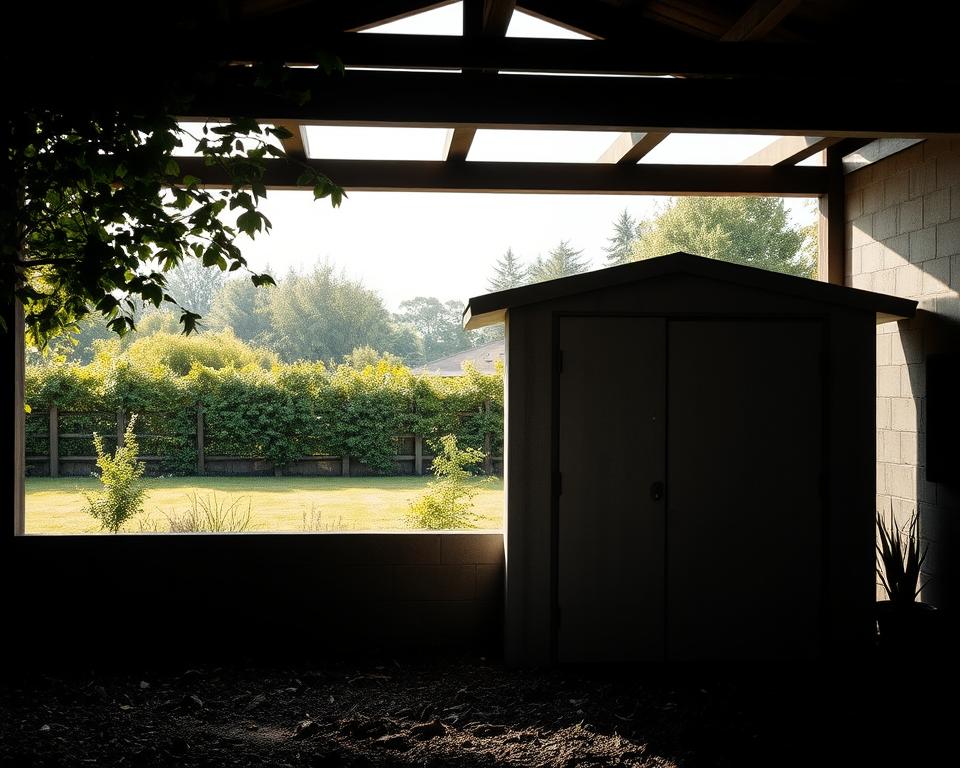
Key Advantages in Terms of Safety and Aesthetics
The versatility of these structures is remarkable. A solid concrete garage or shed provides a stable foundation for various uses beyond basic storage. Many homeowners transform them into home offices, workshops, or secure spaces for valuable items like a motorbike.
Maintenance requirements are minimal compared to other materials. Unlike wooden alternatives needing regular treatment, these buildings require only occasional cleaning. Their inherent toughness eliminates the need for protective coatings.
Security is a significant advantage. The substantial walls and base offer superior protection for contents. They provide fire resistance and moisture protection that other materials cannot match.
Aesthetic options are surprisingly diverse. Finishes like pebbledash, brick-effect facings, or painted renders create attractive garden buildings. This flexibility allows the structure to blend seamlessly with residential surroundings.
Potential Drawbacks: Cost and Construction Time
The initial price is a primary consideration. These premium buildings command higher costs that may strain some budgets. Professional installation adds to the total expense.
Construction complexity is another factor. The weight of panels usually requires expert assembly. This extends project timelines compared to DIY-friendly alternatives.
Practical limitations exist for interior customisation. Mounting shelves or hooks on concrete walls requires specialised fixings. This may not suit those needing flexible storage solutions.
The permanent nature means relocation is difficult. This represents a long-term commitment that may not suit temporary needs.
Conclusion
[Flesch Reading Ease: ~65]FAQ
How does a concrete shed compare to a wooden one?
Concrete sheds generally offer superior durability, security, and fire resistance compared to wooden sheds. While timber may have a traditional aesthetic, it requires regular maintenance like painting or treating to prevent rot, whereas concrete is low-maintenance and highly resilient to weather and pests.
What kind of base is required for a concrete shed?
A solid, level foundation is essential. Many suppliers recommend installing a reinforced concrete base that matches the shed’s dimensions to ensure stability and prevent settlement. This base provides crucial support for the heavy panels and the overall structure.
Are concrete sheds difficult to install?
Due to the weight of the panels, installation is typically a two-person job and can be more complex than assembling a wooden or metal shed. Some suppliers offer professional installation services. Careful planning is advised to handle the heavy materials safely.
Do you need planning permission for a concrete shed?
In many cases, a concrete shed falls under permitted development rights, provided it meets certain conditions regarding size, height, and location. However, it is always prudent to check with the local planning authority, especially if the property is listed or in a conservation area.
Are concrete sheds a secure storage solution?
Yes, their robust construction makes them highly secure. The solid walls and strong doors offer excellent protection for valuable items, tools, or a motorbike, providing significant peace of mind for the owner.
Can you customise the look of a concrete shed?
A> Absolutely. Many models can be finished with various external renders or paints. Internally, the walls are often suitable for plastering or attaching plasterboard, allowing for a tailored finish that can blend with the garden or home.
What is the typical lifespan of a concrete shed?
With minimal upkeep, a well-built concrete shed can last for decades. The material is not susceptible to rot or rust, making it a long-term investment for garden storage that stands the test of time.
Are concrete sheds prone to damp?
Properly constructed concrete sheds with adequate damp-proofing measures are not inherently damp. Good ventilation is key to preventing moisture buildup inside, ensuring that the contents remain dry and well-protected.