Awesome Wildlife Garden Ideas
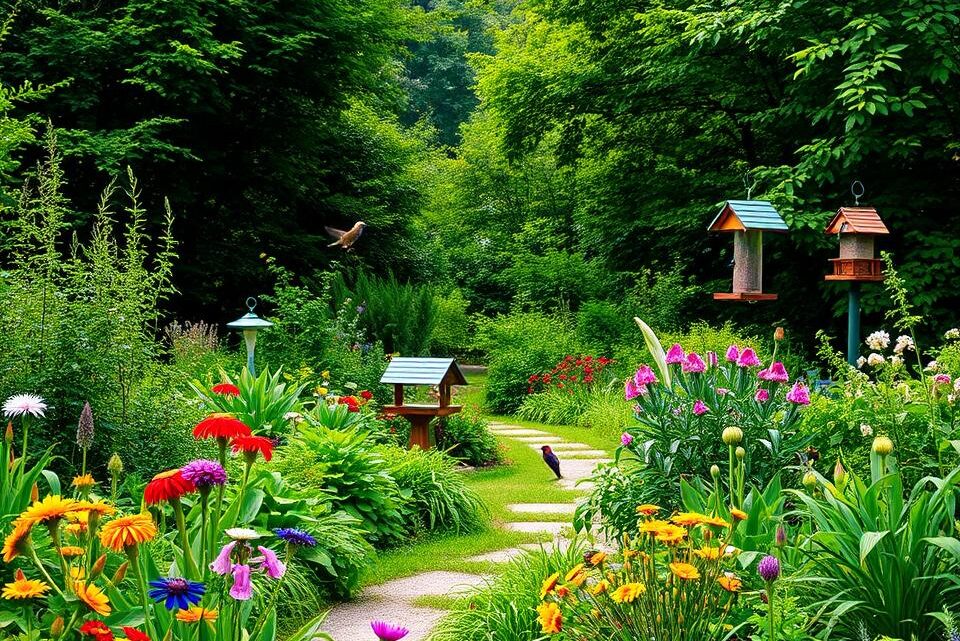
Transforming an outdoor space into a sanctuary for nature offers profound rewards. It connects people directly with the natural world, right outside their back door. Observing bees, butterflies, and birds brings a unique sense of enjoyment and tranquillity to any home.
In the United Kingdom, domestic gardens cover a larger area than all the nature reserves combined. This presents a tremendous opportunity for conservation. Every gardener, regardless of their plot’s size, can play a vital role in supporting local species.
Creating a haven for nature does not require a complete overhaul. Simple modifications can make a significant difference. Providing shelter, food, and water helps sustain a rich variety of creatures, from pollinators to small mammals.
Furthermore, a space designed for wildlife need not be unkempt. It can be both a beautiful, functional area for relaxation and a thriving ecosystem. This guide provides practical, achievable suggestions to help anyone begin this fulfilling journey.
Inhaltsverzeichnis
Key Takeaways
- Creating a nature-friendly garden benefits both the environment and the homeowner’s enjoyment.
- UK gardens represent a significant collective area for supporting biodiversity.
- Even small, manageable changes to a garden can positively impact local ecosystems.
- Providing basic needs like shelter, food, and water is crucial for attracting wildlife.
- A wildlife-friendly space can be both aesthetically pleasing and functional.
- These projects are accessible to everyone, regardless of gardening experience or budget.
Understanding the Benefits of a Wildlife Garden
Developing a habitat-friendly landscape offers interconnected advantages for both the ecosystem and human wellbeing. These spaces serve as vital refuges when natural habitats face pressure from urban development.
Environmental and Personal Advantages
A thoughtfully designed outdoor area supports local wildlife populations effectively. It provides essential corridors between fragmented habitats, allowing species to move safely.
People gain therapeutic benefits from observing nature’s daily rhythms. Families find educational value in watching the life cycles of visiting animals.
Natural pest control emerges as predators balance the ecosystem. This reduces reliance on chemical interventions, creating healthier environments.
Enhancing Local Biodiversity
Diverse planting schemes support complete food chains from insects to birds. This approach builds resilient systems that withstand environmental challenges.
Gardens become crucial stepping stones for species affected by habitat loss. They offer breeding grounds and shelter throughout the seasons.
| Benefit Type | Environmental Impact | Personal Reward | Conservation Value |
|---|---|---|---|
| Habitat Creation | Supports declining species | Educational opportunities | Local biodiversity boost |
| Ecosystem Services | Natural pollination | Reduced maintenance | Soil health improvement |
| Wildlife Corridors | Species movement | Daily nature observation | Habitat connectivity |
Even modest changes make gardens valuable havens for struggling wildlife. Every space contributes to broader conservation efforts in a meaningful way.
Designing a Garden for Local Wildlife
Crafting an outdoor space that supports local fauna begins with thoughtful planning. The goal is to create a welcoming environment that caters to the needs of various species. This approach transforms a simple plot into a vibrant, living ecosystem.

A fundamental principle involves understanding the local environment. Observing which creatures already visit provides valuable clues. This insight helps tailor the space to support existing populations effectively.
Selecting Native Plants and Habitats
Native species are the cornerstone of a successful habitat. They have evolved alongside local insects and birds, creating a perfect symbiotic relationship. These plants offer the most suitable food and shelter available.
For inspiration, take a walk in the local countryside. Notice which trees, shrubs, and flowers thrive naturally in the region. This observation provides a blueprint for what will succeed in a domestic setting.
Structural diversity is crucial. Incorporate a mix of plant heights, from ground cover to tall trees. This variety creates multiple niches for different creatures to inhabit.
- Shelter: Start by establishing resting and nesting areas. Silver birches or native shrubs like holly offer excellent protection.
- Food sources: Choose plants that produce seeds or fruit, providing vital nutrition during autumn and winter.
- Year-round interest: Select species that flower at different times to ensure continuous food for pollinators.
A well-designed space balances aesthetic appeal with ecological function. It demonstrates that supporting nature can be both beautiful and rewarding.
Top Awesome Wildlife Garden Ideas
The spectrum of approaches for welcoming wildlife into domestic landscapes spans from simple additions to comprehensive habitat creation. These concepts demonstrate remarkable versatility across different outdoor settings.
Urban balconies can host pollinator-friendly containers. Suburban plots might incorporate hedgehog highways. Rural spaces could establish mini-meadows. Each setting offers unique opportunities for nature support.
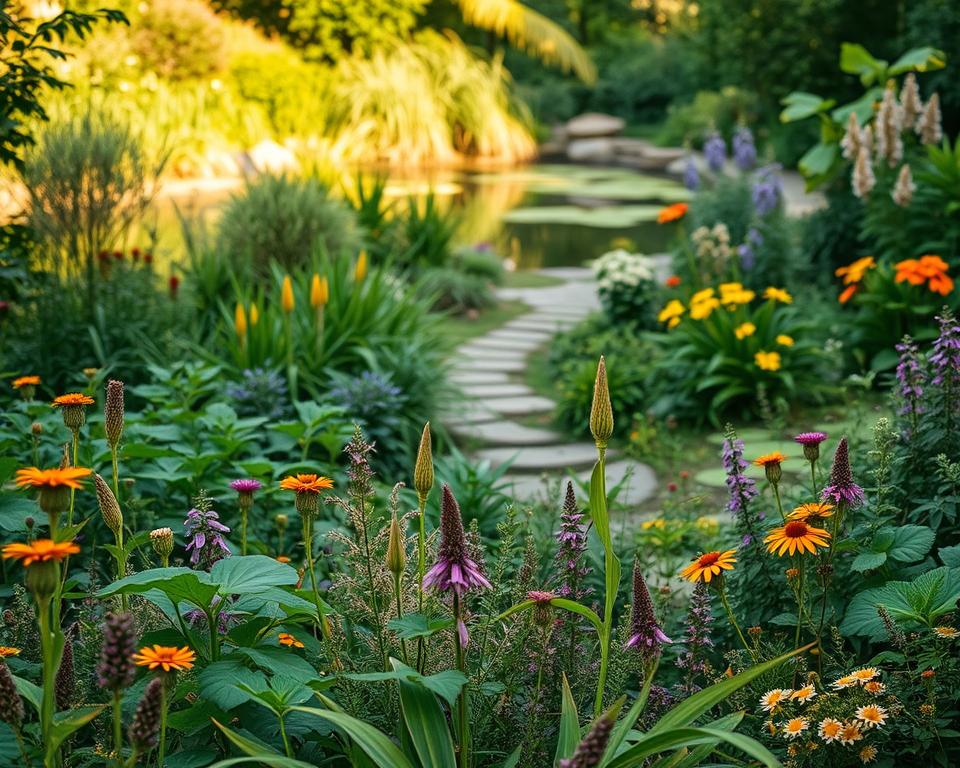
Effective habitat thinking operates in three dimensions. Vertical surfaces support climbing plants and nesting sites. Underground areas provide shelter for burrowing creatures. Overhead spaces accommodate birds and flying insects.
Implementation can follow a gradual progression. Start with straightforward projects like bird feeders. Build confidence before tackling more complex features such as ponds. This staged approach makes the process manageable.
Successful outcomes typically combine multiple strategies rather than relying on single elements. Interconnected features create robust ecosystems where different species support each other.
Thoughtful design ensures these spaces remain attractive and well-maintained. They balance ecological function with aesthetic appeal, proving that wildlife-friendly areas need not appear unkempt.
Upcoming sections will explore specific implementations including feeding stations, water features, and habitat structures. Each concept builds toward creating a comprehensive nature sanctuary.
Creating Feed Stations and Bird-Friendly Areas
Providing reliable sources of sustenance transforms a space into a vital resource for local birds. A thoughtfully arranged feeding station offers more than just a meal; it becomes a safe hub for observation and conservation.
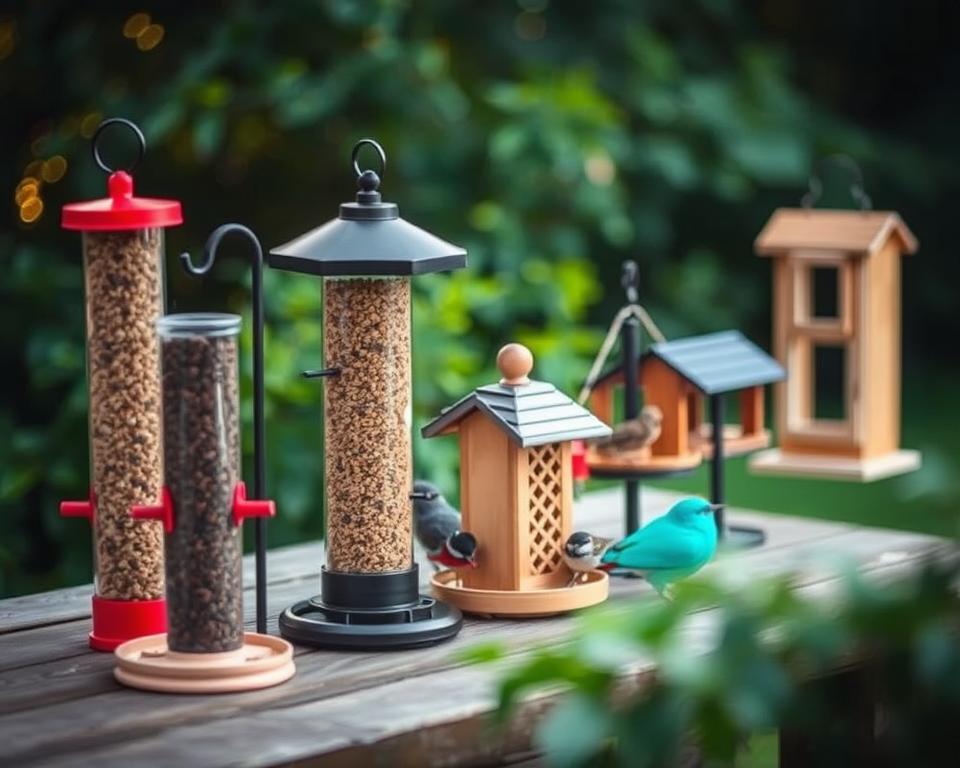
Different feeders attract different species. A hanging seed feeder appeals to finches and tits. A ground tray might suit thrushes and blackbirds. Squirrel-proof designs ensure smaller birds get their share.
DIY Bird Feeder Options
Creating a homemade bird feeder is a simple, cost-effective project. An old plastic bottle can become a dispenser for mixed seeds. A teacup and saucer fixed to a post makes a charming ground feeder.
Placement is crucial. Position feeders near cover like shrubs, but with a clear view for the birds to spot predators. This makes them feel secure while they eat.
Seasonal Feeding and Watering Tips
Bird nutritional needs change with the seasons. High-energy food like fat balls is essential in winter. In spring, protein-rich food like mealworms supports breeding pairs.
A fresh water source is critical all year round, for drinking and bathing. In freezing weather, make sure to break the ice daily. Clean feeders regularly to prevent disease.
Incorporating Water Features to Sustain Life
Introducing a water feature is one of the most impactful steps a gardener can take to support local ecosystems. A reliable water source is essential for all life, transforming any outdoor space into a vital hub for wildlife.
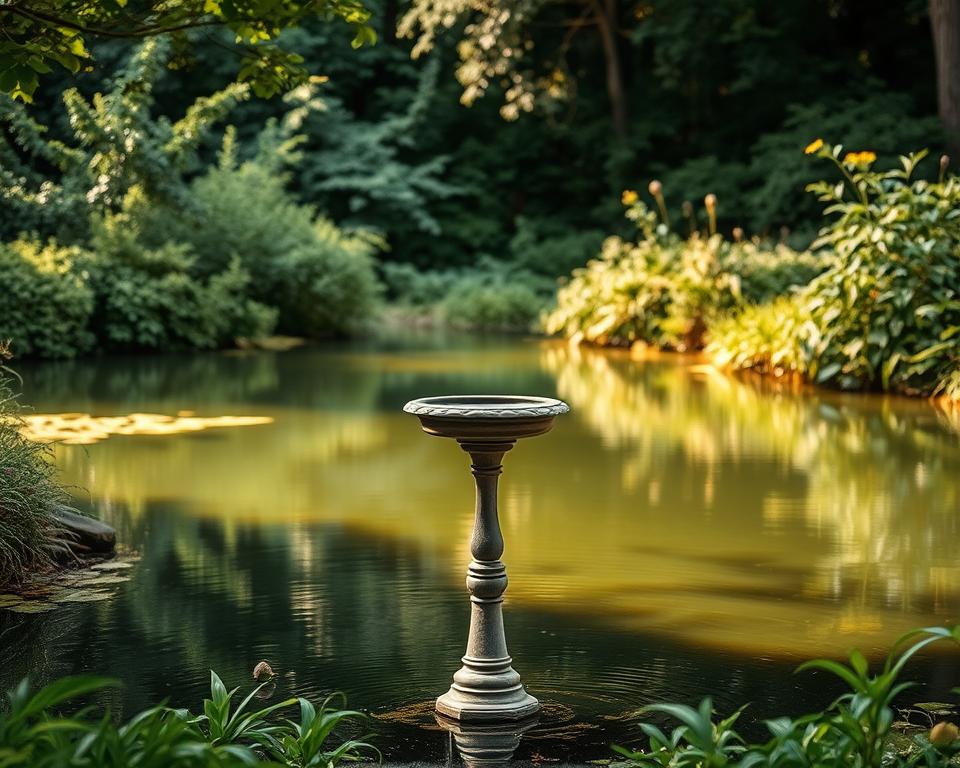
Even a small pond can become a rich habitat. It supports aquatic species and attracts a wide range of animals and insects. Frogs may breed there in spring, while dragonflies dance above the surface in summer.
Simple Pond and Bird Bath Ideas
A successful wildlife pond does not need to be large. The design is more important than the size. Key considerations ensure it is both safe and effective.
Choose a sunny place away from overhanging trees. This prevents leaf litter and helps plants thrive. Sloping sides are crucial so that animals can easily enter and exit the water.
Planting is vital for a healthy pond. Native oxygenating plants, like hornwort, keep the water clean. Marginal plants around the edges provide shelter for insects and amphibians.
- Container Ponds: An old sink or plastic tub makes a perfect mini-pond for a patio or balcony.
- Bird Baths: If space is limited, a simple bird bath is an excellent alternative. Keep it clean and topped up.
- Insect Stations: A shallow tray with pebbles gives birds and insects a safe spot to drink.
Birds will visit throughout the year to drink and bathe. Providing this resource makes any garden a more complete sanctuary for nature.
Sustainable Pest Control and Organic Practices
Embracing natural approaches to pest management fosters a self-regulating outdoor environment. This method works with nature’s own systems rather than against them.
Natural Pest Control Methods
Avoiding chemical pesticides protects beneficial insects that form the backbone of a healthy ecosystem. Hand-picking larger pests like slugs provides immediate control without environmental harm.
Encouraging natural predators offers sustainable pest management. Birds, frogs, and hedgehogs consume slugs while ladybirds control aphids.
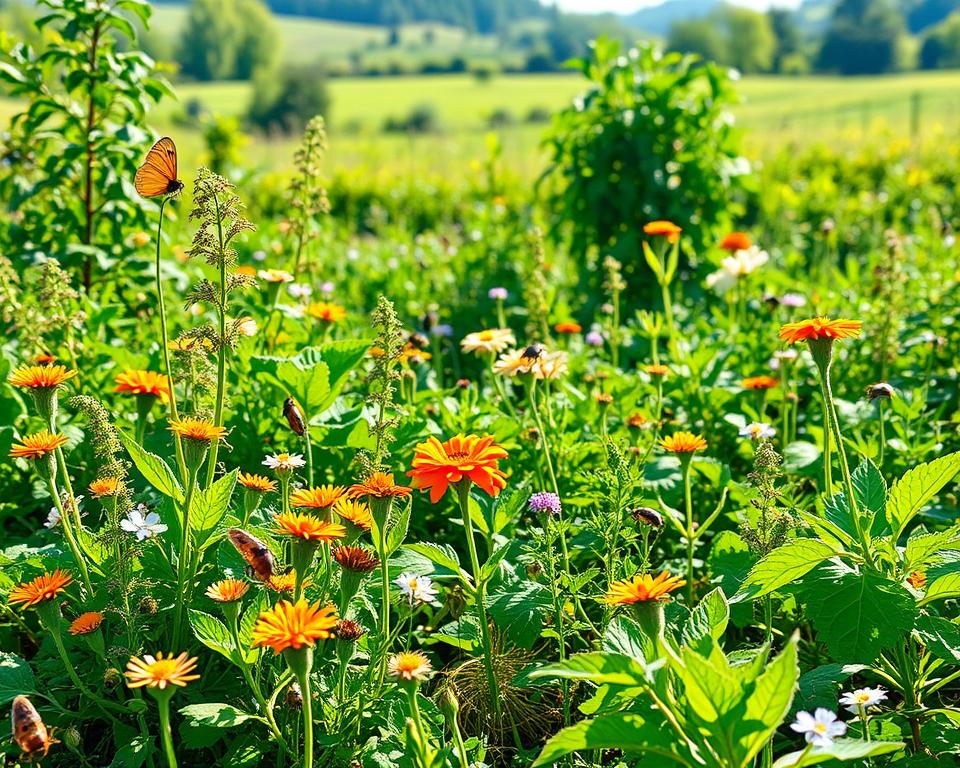
Companion Planting for a Balanced Ecosystem
Strategic plant combinations create natural pest barriers. French marigolds deter whitefly from tomatoes, while alliums repel aphids from roses.
Compost heaps support minibeasts that become food for larger wildlife. Worms improve soil drainage and nutrient transfer when compost is spread.
Healthy soil grows vigorous plants naturally resistant to pests. This organic way supports the entire food chain from insects to birds.
Utilising Vertical and Hidden Garden Spaces
A truly effective outdoor space for nature uses its full volume, not just its footprint. Walls, fences, and even the sides of sheds offer valuable real estate for greenery. This approach dramatically increases habitat provision without sacrificing precious ground area.

Even the smallest patio or balcony can become a sanctuary. Containers filled with nectar-rich flowers attract pollinators like bees and butterflies. This makes every nook a potential haven.
Creative Trellis and Balcony Solutions
Installing a trellis or wire system unlocks vertical potential. It supports climbing plants that serve multiple functions. They offer nectar, shelter, and nesting sites for various creatures.
Ivy is a particularly valuable choice for a vertical place. It requires little support and provides year-round cover. Its autumn flowers are a crucial late food source for insects.
| Climbing Plant | Wildlife Value | Best Support | Seasonal Interest |
|---|---|---|---|
| Honeysuckle | Nectar for moths, berries for birds | Strong trellis or wires | Summer flowers, autumn berries |
| Jasmine | Fragrant flowers for pollinators | Trellis or obelisk | Summer flowering |
| Clematis | Shelter for insects | Mesh or thin wires | Spring or summer blooms |
Choosing the right plants for containers is key. Opt for species that thrive in pots and offer long flowering periods. This ensures a consistent resource for visiting wildlife.
Establishing Habitats for Insects and Small Mammals
Creating dedicated shelters is a powerful way to support the smaller creatures that form the foundation of a thriving ecosystem. These structures provide essential protection from predators and harsh weather.
They offer secure spots for nesting and raising young. This approach turns any outdoor space into a vital sanctuary for local species.

Building Bug Hotels and Hedgehog Houses
Bug hotels are simple structures made from natural materials. They offer habitats for beneficial insects like solitary bees and lacewings.
These insects need safe places to lay eggs and overwinter. A well-built hotel can host many species.
For hedgehogs, a simple house provides a safe home. It is best placed in a quiet, undisturbed corner. A pile of logs with an internal gap works well.
Cover it with leafy branches. This shelter can become a home for a whole family of hedgehogs, including hoglets by spring.
Planting for Pollinators and Beneficial Insects
Choosing the right plant life is crucial for supporting pollinators. Bees, butterflies, and moths need nectar and pollen for food.
Select a plant variety that blooms throughout the year. This ensures a constant food supply. Single, open flowers are often best.
Different flower shapes attract different insects. Tubular flowers like foxgloves suit butterflies and long-tongued bees. Flat flowers like daisies are accessible to many.
Purple and blue flowers are particularly attractive to bees. Lavender and salvias are excellent choices. They provide rich nectar.
In summer, these plants are buzzing with activity. They support butterflies and moths too. Remember, adult butterflies drink nectar from many flowers.
But their caterpillars often eat specific leaves. Planting for all life stages is key. This comprehensive approach creates a resilient habitat.
It makes the space a valuable resource every year. With careful planning, your outdoor area can be a haven for these essential insects and small mammals like hedgehogs.
Embracing Seasonal Changes in Garden Maintenance
Rethinking routine garden care offers a simple yet powerful way to boost local biodiversity. Shifting from a focus on tidiness to ecological sensitivity can significantly benefit nature while often reducing the gardener’s workload.
This approach values seed heads, fallen leaves, and standing plant stems throughout the winter months. These elements provide crucial food and shelter when resources are scarce.

Timing Mowing and Planting for Wildlife
Lawn management is a key area for change. Reducing mowing frequency or delaying the first cut until late June allows plants like clover and daisies to flower.
This provides a vital nectar banquet for bees and butterflies in spring and early summer. Initiatives like “No Mow May” encourage this practice.
It is helpful to maintain some shorter mown areas for practical use. This also helps birds like blackbirds find worms. Leaving seed heads on perennials through winter feeds seed-eating birds.
Autumn leaves should be viewed as a resource, not waste. Piles of leaf litter offer hibernation spots for hedgehogs and enrich the soil as they decay.
So-called weeds like nettles and dandelions are important food sources for caterpillars and insects. They can be managed by allowing them to grow in designated areas or pots.
Compost heaps and log piles are vital winter shelters. It is best not to disturb these places during the colder months, as they may host hibernating animals.
A stack of logs in a partly shaded place provides a home for everything from beetles to frogs. This thoughtful management creates a richer, more resilient garden ecosystem all year round.
Conclusion
Every outdoor space, regardless of its size, holds the potential to become a vital sanctuary for local species. Implementing even a handful of the ideas discussed—from a simple bird feeder to a mini-pond—makes a meaningful difference.
These efforts create beautiful, dynamic areas filled with the sights and sounds of thriving nature. Individual gardens function as crucial pieces in a larger ecological jigsaw, providing corridors for wildlife to move freely.
Homeowners can contribute further by recording sightings of birds, butterflies, or a hedgehog through schemes like the Big Garden Birdwatch. This data is invaluable for conservation.
The journey begins with simple steps. Start today by putting out fresh water or leaving seed heads on plants. Collective action by gardeners across the UK can help restore precious habitats for future generations.
FAQ
What are the primary benefits of cultivating a garden for local wildlife?
Establishing a space for nature offers significant environmental and personal advantages. It enhances local biodiversity by providing essential food, shelter, and nesting sites for various species. This creates a healthier ecosystem that supports pollinators like bees and butterflies, which are vital for plant reproduction.
How can I select the best plants to attract animals and insects?
Choosing native species is crucial, as they are naturally adapted to the local soil and climate. Plants that produce nectar-rich flowers, seeds, and berries offer a consistent food source throughout the year. A variety of flowering plants ensures a succession of blooms from spring to autumn, supporting insects and birds.
What is an effective way to provide water for garden wildlife?
A simple bird bath or a shallow pond is an excellent way to sustain life. Even a small container of water can be a vital resource. It is important to ensure the water is clean and topped up regularly, especially during dry summer months, to help creatures drink and bathe.
Can I create a habitat for animals in a small space?
Absolutely. Utilising vertical spaces with creative trellis solutions or balcony planters can be very effective. Even a compact area can host a bug hotel, a small log pile, or a container with nectar-rich flowers to attract beneficial insects and provide shelter.
What are some natural methods for pest control?
Encouraging a balanced ecosystem is key. Companion planting can deter pests, while providing habitats for creatures like hedgehogs and birds helps control slugs and insects naturally. Avoiding pesticides ensures these helpful animals can thrive and keep pest populations in check.
When is the best time of year to adjust garden maintenance for wildlife?
Timing is important. Delaying the cutting back of plants in autumn provides seeds for birds and shelter for overwintering insects. Reducing lawn mowing frequency in spring and summer allows flowers like clover to bloom, offering food for bees. Leaving some leaf litter provides a habitat for worms and other small life.