Bits of Garden Shed Advice You Shouldn’t Follow

Searching for the perfect garden structure has become a complex task. A wealth of information is available online, but this abundance often leads to confusion. Not every piece of guidance is reliable or suitable for every situation.
Well-meaning suggestions from friends or popular forums can sometimes lead to costly errors. It is crucial to separate fact from fiction when planning a purchase or maintenance routine. A seemingly simple structure actually involves important considerations.
This article aims to highlight specific recommendations that sound convincing but are not always accurate. By understanding these nuances, homeowners can avoid future headaches and unnecessary expenses. The focus is on practical, UK-specific guidance based on actual regulations.
Inhaltsverzeichnis
Key Takeaways
- Online information about sheds is plentiful but not always accurate.
- Commonly shared beliefs can lead to expensive mistakes.
- Each garden and requirement is unique; one-size-fits-all advice rarely works.
- Proper planning permissions and location choices are often misunderstood.
- Understanding maintenance needs is essential for long-term durability.
- Timing a purchase correctly can lead to significant savings.
Unpacking Common Shed Misconceptions
A significant amount of commonly shared shed wisdom is based on outdated or irrelevant sources. It is crucial to understand where this guidance originates to assess its value for your own project.
Understanding the Origins of Poor Advice
Much poor advice has been passed down for a long time. It often reflects older materials and methods, not modern building standards. What worked for a previous generation may not be suitable today.
Guidance from other countries is another common source of confusion. Tips from Australia or the United States rarely consider UK weather patterns and local authority rules. Applying them can lead to problems.
Well-meaning individuals also share what worked for their specific garden. However, every home and its conditions are unique. A solution for one property might fail in another.
Online forums and social media can amplify these issues. Opinions are sometimes presented as facts without proper verification. This makes it hard to distinguish amateur guidance from professional expertise.
While some traditional advice remains sound, other aspects have been superseded. Improvements in construction and a better understanding of storage needs have changed best practices. Always verify information against UK-specific regulations and your own circumstances.
Debunking the Myth: Sheds Can Store Anything
Many homeowners operate under the belief that any item can be safely housed in a garden structure. This is a risky assumption. Not all belongings can withstand the environment of a typical garden building.
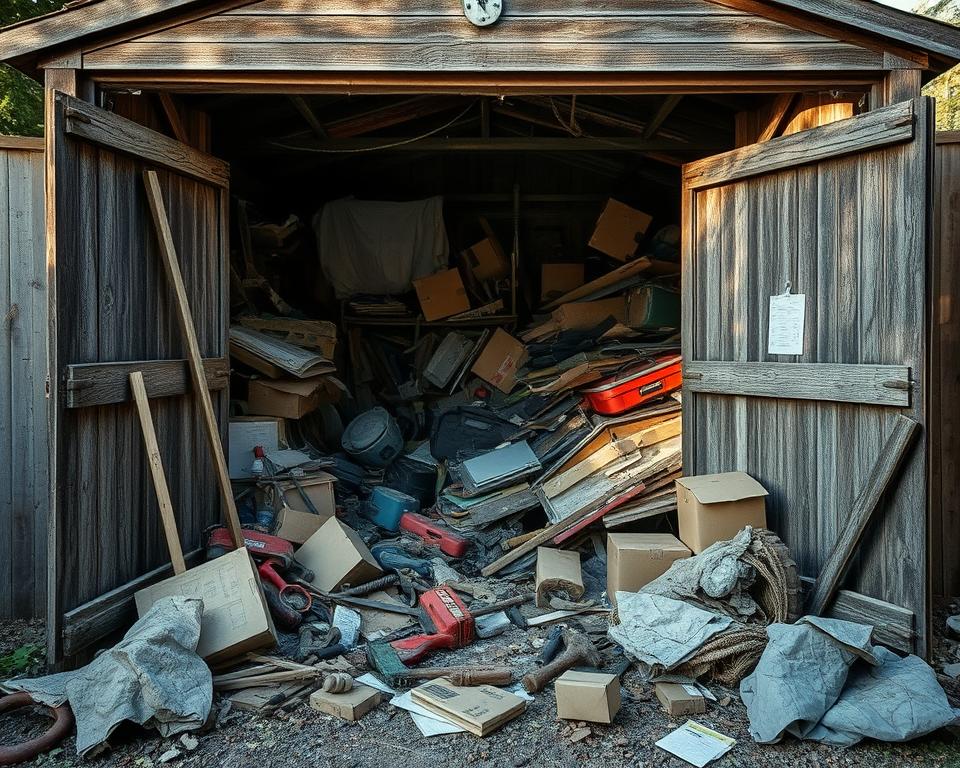
Understanding what not to store is crucial for protecting your possessions and the structure itself.
Risks with Food and Groceries
Storing food in a garden building is a magnet for pests like mice and rats. Tins and pet food are particularly attractive. Once pests move in, they can be difficult to remove.
Heat and damp conditions inside a shed can spoil canned goods. The seals can weaken over time. Even non-perishable food in airtight containers is at risk from temperature changes and pest attraction.
Perils for Electronic Goods and Appliances
Electronics are highly vulnerable in an uninsulated garden building. Moisture and fluctuating temperatures cause significant damage. Devices like televisions and computers can fail.
Cold weather is especially harmful. It can ruin LCD displays and corrupt hard drives. Condensation leads to internal corrosion, shortening the lifespan of valuable items.
| Item Type | Primary Risk | Potential Consequence | Safer Alternative |
|---|---|---|---|
| Canned Food | Pest Infestation | Contamination, Spoilage | Cool, Dry Kitchen Cupboard |
| Pet Food | Attracts Rodents | Health Hazard, Property Damage | Airtight Container Indoors |
| Televisions & Computers | Moisture Damage | Irreparable Malfunction | Climate-Controlled Room |
| Refrigerators | Temperature Extremes | Component Failure | Garage or Utility Room |
Planning Permission: Bypassing the Rules?
The misconception that sheds automatically qualify as permitted development leads to costly errors. While many garden structures don’t need formal approval, important restrictions apply throughout the UK.

Local Authority Regulations in the UK
Specific rules govern shed construction. Height limits are crucial – 2.5 metres maximum at the eaves, or 4 metres for a dual-pitched roof. Positioning near boundaries requires careful consideration.
Structures within 2 metres of a property boundary cannot exceed 2.5 metres in height. The building must be at least 5 metres from the main home. Certain features like balconies and verandas are prohibited.
Combined garden buildings cannot cover more than half the land around the house. Placement in front of the property is not permitted. Special rules apply to listed buildings and conservation areas.
Consequences of Overlooking Planning Requirements
Ignoring these regulations risks serious consequences. Local councils can issue enforcement notices requiring work to stop. In severe cases, they may demand complete demolition of the structure.
Homeowners should always contact their Local Planning Authority before starting any project. This simple step prevents legal complications and protects your property investment. Proper verification ensures compliance with all relevant building standards.
Location Matters: Where You Should Not Place Your Shed
Selecting the wrong location for a garden shed can lead to numerous practical problems. Many homeowners assume any available space on their property is suitable, but this approach often results in long-term complications.

Strategic placement balances accessibility, safety, and compliance with local regulations. The ideal position enhances functionality while minimising maintenance requirements throughout the year.
Hazards of Placing Sheds Under Trees and Near Fences
Positioning a structure beneath trees creates multiple issues. Falling branches during storms can damage the roof, while leaves clog gutters and drainage systems.
During summer months, tree sap creates sticky residue that’s difficult to clean. These seasonal problems require more maintenance time than actual use of the building.
Placing a shed too close to boundary fences may violate local regulations. It can also create disputes with neighbours regarding access and maintenance responsibilities.
Conversely, locating the building too far from the house reduces its utility. In winter weather, inconvenient access discourages regular use of the storage space.
Ground conditions are equally important. Uneven surfaces compromise structural integrity, causing doors to jam or the building to settle unevenly over time.
Flood-prone areas present serious risks. Water damage to foundations and moisture-related deterioration can significantly shorten the shed’s lifespan.
Professional recommendations include checking for level ground, proper drainage patterns, and adequate sun exposure. A suitable location should be accessible from all sides for maintenance while providing natural light without excessive heat buildup.
Maintenance Misguidance: Natural Wear and Tear Ignored
The assumption that certain materials require minimal upkeep often leads to premature deterioration. Many property owners believe that once a structure is installed, it can withstand years of neglect. This misconception proves costly when weather conditions accelerate wear.

Material-Specific Care for Wood, Metal, and Plastic Sheds
Wooden structures demand regular treatment unless pressure-treated. Without proper protection, moisture causes warping and rot. Applying preservative every few years maintains durability against harsh weather.
Metal sheds appear low-maintenance but need vigilant care. Debris clearance from gutters prevents water damage. Inspecting the galvanised coating stops rust formation that compromises structural integrity.
Plastic units resist rot but face different challenges. Snow accumulation on the roof risks collapse during winter months. Excessive weight-bearing can distort the frame over time.
All materials benefit from universal maintenance routines. Regular sweeping and pest checks every few weeks identify minor issues early. Proper ventilation reduces condensation problems across all shed types.
The foundation requires equal attention. A stable base prevents structural shifting that affects doors and walls. Most structures need repainting or repairs every three to five years to maintain appearance and function.
Seasonal Myths: Timing Your Shed Purchase
Optimal shed purchasing timing challenges conventional wisdom about seasonal constraints. Many believe spring and autumn are the only suitable periods for this project. However, flexibility often yields better results.
Benefits of Off-Season Deals
Winter months present unique advantages for shed acquisition. Suppliers frequently offer discounted pricing when demand decreases. Contractors have more availability during this quieter period.
This timing allows for personalised service and faster completion. The exception is December, when holiday commitments limit construction work. Waiting for perfect weather might delay essential storage solutions.
Weather Conditions and Shed Installation Considerations
Dry conditions matter more than specific seasons for installation. The ground must be workable, not frozen or waterlogged. Proper base preparation requires stable temperatures.
Concrete setting demands above-freezing conditions. A well-planned job can proceed in various seasons with appropriate preparations. The key is monitoring weather forecasts rather than calendar dates.
| Season | Advantages | Considerations | Recommendation |
|---|---|---|---|
| Winter | Lower prices, better availability | Avoid frozen ground, December holidays | Ideal for planning and purchasing |
| Spring | Good working conditions | High demand, busy contractors | Book well in advance |
| Summer | Long daylight hours | Potential heat delays | Early morning work preferred |
| Autumn | Moderate temperatures | Shorter days, rain risk | Flexible scheduling important |
“The best time to build is when you need the space, not when the calendar says you should.”
Immediate storage needs should outweigh arbitrary seasonal timing. A stable base and dry assembly day are more critical than waiting for traditional building months.
Bits of Garden Shed Advice You Shouldn’t Follow
Common wisdom about garden buildings is not always wise. Two areas where misguided advice often leads to problems are space planning and construction methods. Homeowners can easily make costly errors by following well-intentioned but flawed guidance.

Avoiding Overcrowding and Misuse of Shed Space
Starting with a small structure to save money is a frequent mistake. Unless garden space is genuinely limited, this approach often means spending more later to upgrade. It is more practical to have excess capacity than insufficient room.
Before choosing a size, create a detailed list of everything for storage. Measure large tools and equipment. Account for door openings and roof overhangs in your footprint calculations.
Design for vertical storage with ceiling heights of at least 9 feet. Install built-in shelves and tool racks on walls to maximise efficiency. Consider expandable kits that allow for future additions.
The Truth About DIY Construction and Kit Assembly
Building from scratch may seem appealing, but it requires specific skills. Mistakes can lead to structural weaknesses and water ingress. A complex job often needs an expert touch.
Shed kits offer a practical middle ground. Pre-cut components reduce errors. They fulfil DIY desires without the risk of major structural issues, provided instructions are followed carefully.
Having assistance during assembly is crucial. It ensures the job is completed safely and correctly. Solo construction attempts can compromise the final quality and durability.
| Planning Aspect | Common Mistake | Better Approach | Key Benefit |
|---|---|---|---|
| Size Selection | Buying too small to save cost | Plan for future needs, measure all items | Avoids costly future replacement |
| Internal Layout | Ignoring vertical space | Install shelves, racks, use high ceilings | Maximises storage capacity |
| Construction Method | Building from scratch without skills | Use quality shed kits, follow instructions | Ensures structural integrity |
| Assembly Process | Attempting solo construction | Seek assistance for safe, correct assembly | Guarantees quality and safety |
Protecting Valuables: What Not to Store in Your Shed
Determining which possessions are unsuitable for outdoor storage requires careful consideration of environmental factors. Many homeowners mistakenly treat garden buildings as secure extensions of their home. This approach can lead to irreversible damage to valuable items.
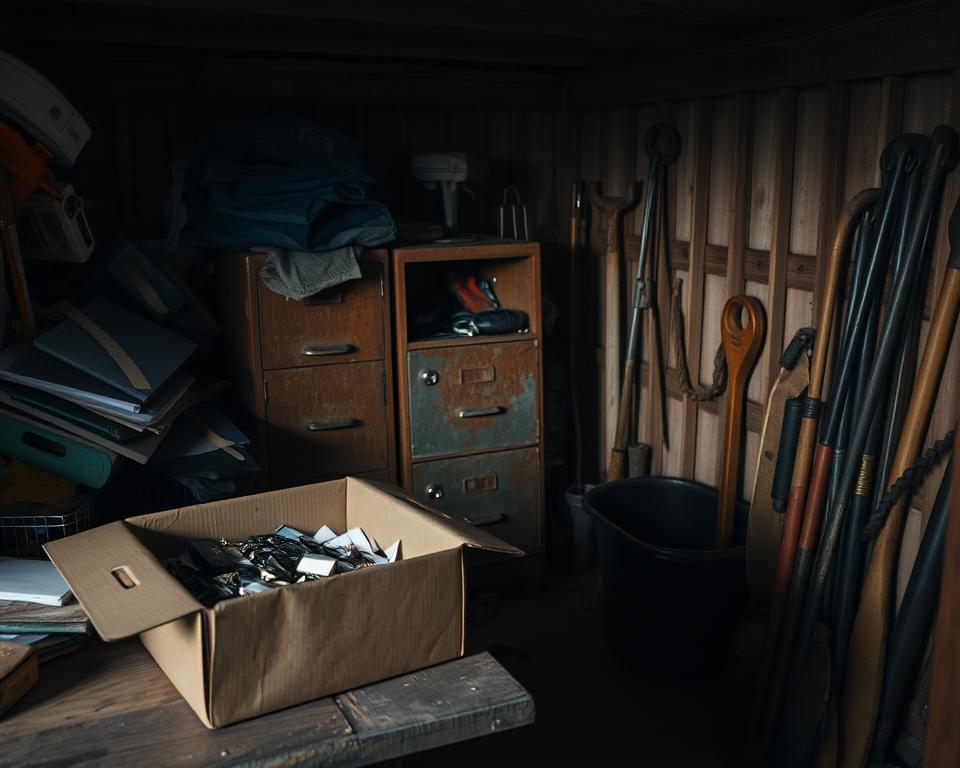
Safeguarding Sensitive Electronics and Important Documents
Electronic devices face significant risks in an unheated shed. Temperature fluctuations cause condensation that damages internal components. LCD screens and hard drives are particularly vulnerable to moisture.
Important papers and photographs require stable environmental conditions. Humidity causes warping, fading, and mould growth. These items need climate-controlled storage within the home.
Musical instruments and books also suffer from environmental changes. Wooden instruments warp, affecting sound quality. Books develop stuck pages and mould in humid conditions.
Dangers of Storing Perishables and Flammable Materials
Food storage attracts pests and creates health hazards. Canned goods and pet food are especially problematic. Rodent infestations can be difficult to eliminate once established.
Flammable materials pose serious safety risks. Paint, solvents, and propane tanks require proper ventilation. Extreme temperatures in unheated spaces increase explosion hazards.
Leather and wooden furniture crack in freezing conditions. Moisture causes warping and deterioration. Proper garden furniture care involves indoor storage during harsh weather.
| Item Category | Primary Risk | Prevention Method | Alternative Storage |
|---|---|---|---|
| Electronics | Condensation damage | Climate control | Indoor cabinet |
| Documents | Mould development | Dry environment | Home office |
| Flammables | Explosion hazard | Proper ventilation | Detached garage |
| Food Items | Pest attraction | Airtight containers | Kitchen pantry |
| Wooden Furniture | Warping and cracking | Stable temperature | Climate-controlled room |
In case of valuable items, always make sure they receive proper protection. The power of environmental changes can cause irreversible damage. Proper storage prevents costly replacements.
Conclusion
The journey to optimal garden storage begins with recognising which recommendations truly serve homeowners’ interests. Informed decision-making prevents the costly errors that poor advice can cause. Understanding what makes reliable guidance is essential for any garden project.
Proper planning and consulting with local authorities ensures compliance with UK regulations. Seeking expert input guarantees structural integrity and long-term functionality. This approach protects your investment for many years of reliable service.
Homeowners now possess the knowledge to select appropriate storage solutions and maintenance schedules. They can confidently choose where to place their garden shed and what items to store safely inside. The right tools and preparation make all the difference.
With this comprehensive understanding, property owners can approach their garden building projects with confidence. They avoid common pitfalls while maximising the benefits of their outdoor storage space.
FAQ
Can I store food and groceries in my garden shed?
Storing food in a shed is not advisable. Temperature changes and moisture can spoil items quickly and attract pests like rodents and insects, creating unsanitary conditions.
Is planning permission always required for a shed in the UK?
Not always, but it depends on the shed’s size, height, and location on the property. It is crucial to check with the local authority, as bypassing planning rules can lead to fines or being forced to remove the structure.
Where is the worst place to position a shed?
Placing a shed directly under trees or too close to fences is problematic. Falling debris can damage the roof, and overhanging branches restrict ventilation, promoting dampness and rot.
Do different shed materials require specific maintenance?
Yes. Wooden sheds need regular treatment to prevent rot, metal sheds require rust protection, and plastic sheds benefit from cleaning to prevent algae. Ignoring material-specific care accelerates wear and tear.
Is it better to buy a shed during the summer?
While summer is popular, off-season purchases often offer better deals. Installation can be successful in various weather conditions if the ground is prepared properly, making timing less critical than often suggested.
Is building a shed from scratch a simple DIY job?
DIY construction or kit assembly can be complex. Without proper planning and skill, issues with stability, weatherproofing, and security can arise, making professional installation a wiser choice for many.
What items should never be stored in a shed?
Sensitive electronics, important documents, perishable goods, and flammable materials are high-risk. Sheds are susceptible to temperature extremes, damp, and security breaches, which can damage these valuables.