Building a Log Cabin – Should I Self Assemble or Hire a Builder?
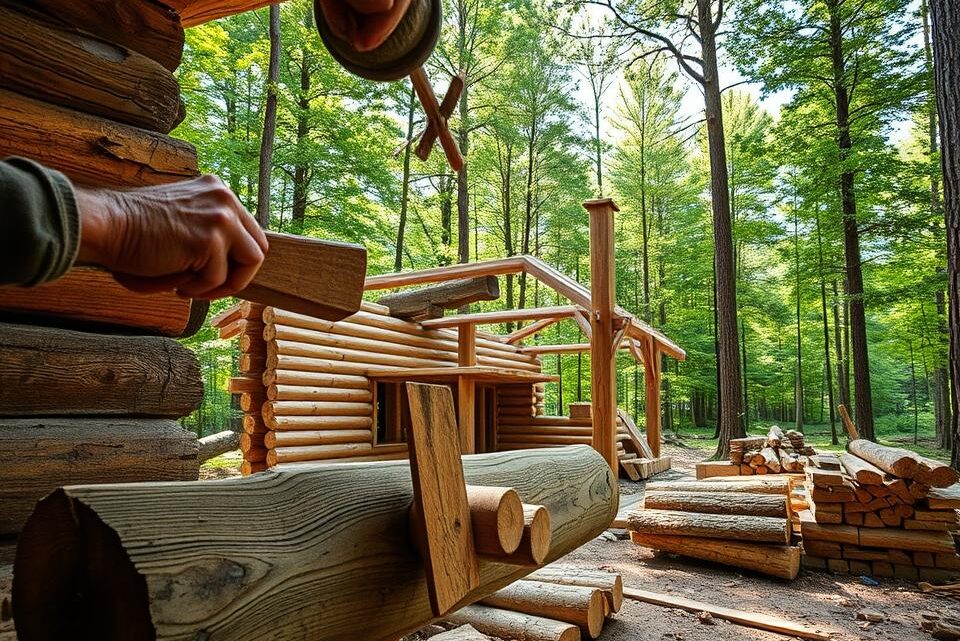
Many homeowners face a significant decision when planning their garden retreat. The choice between constructing the structure personally or employing specialists represents a crucial crossroads. This comprehensive guide offers valuable insights to help navigate this important choice.
Most timber structures are available as pre-cut kits with precisely measured components. Professional installation services typically add between £500 and £2,000 to the overall cost. Understanding these options forms the foundation for making an informed selection.
The optimal path depends on individual circumstances, including available time, practical skills, and budget considerations. This examination presents both approaches fairly, highlighting the benefits and challenges of each method. The right solution varies according to personal capabilities and resources.
Inhaltsverzeichnis
Key Takeaways
- Most timber structures come as pre-fabricated kits with exact measurements
- Professional installation typically costs between £500 and £2,000 extra
- The decision hinges on personal skills, time availability, and budget
- This guide provides objective analysis of both construction approaches
- Proper planning is essential regardless of the chosen method
- Considerations include planning permission and necessary tools
- The ideal choice varies according to individual circumstances
Understanding Log Cabin Kits and DIY Assembly
Modern kits are designed for straightforward construction. They contain all the necessary materials, from pre-cut timber to roofing felt and fixings. Each log is precision-engineered with notches that interlock securely.
This design simplifies the entire process. It allows even those with minimal experience to achieve professional-looking results. The key is meticulous attention to the manufacturer’s instructions.
Essential Tools and Materials
Thankfully, no specialist equipment is needed. The essential tools are typically found in a well-stocked household toolkit. A hammer, common screwdrivers, and a saw for minor adjustments are crucial.
A drill ensures precise screw holes. A measuring tape and spirit level guarantee everything is square and level. Safety gear like gloves and protective eyewear is non-negotiable to prevent injury from splinters or debris.
Time Commitment and Physical Requirements
Most projects are completed within two to three days. The exact timeframe depends on the size of the structure and daily work hours. Installing the floor and roof often takes the most time.
Some kits use individual tongue and groove boards, while others feature large panels. Physically, one must be able to handle timber boards and operate tools confidently. Having an extra adult helper is strongly recommended for safety and efficiency.
Building a Log Cabin – Should I Self Assemble or Hire a Builder?
Choosing between hands-on assembly and expert installation involves weighing distinct benefits and drawbacks. This comparison helps determine which approach aligns best with individual circumstances.
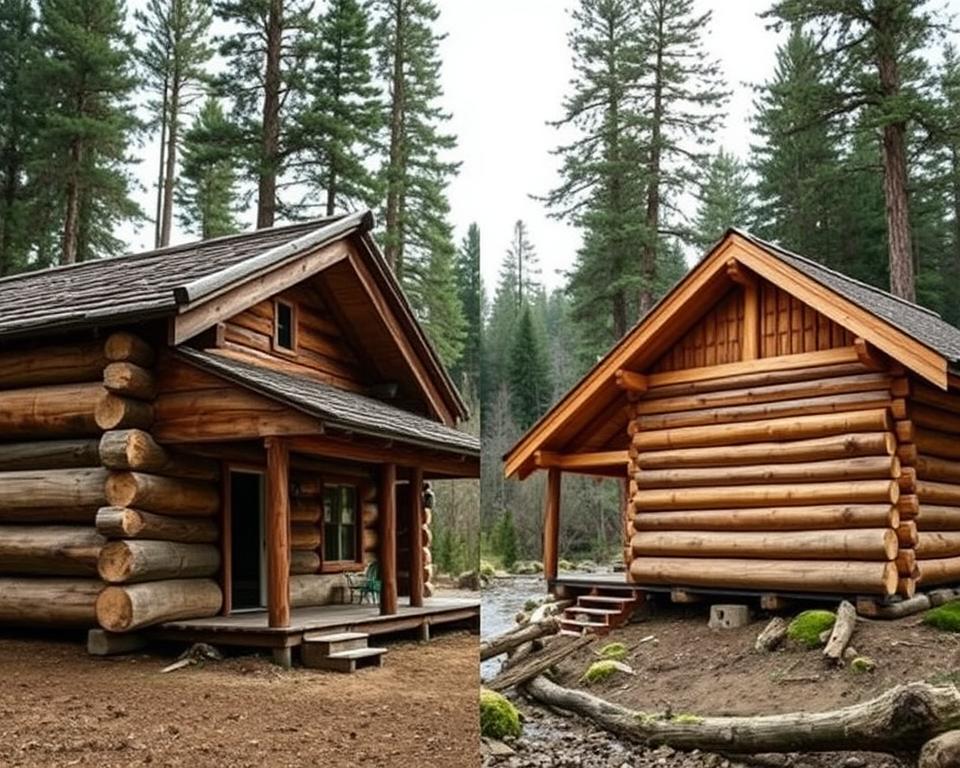
Comparative Advantages and Disadvantages
Personal construction offers significant cost savings, typically £500-£2,000 less than professional installation. The satisfaction of completing the work personally and acquiring new skills adds considerable value. However, this option requires a substantial time commitment of two to three days.
Physical demands and potential for errors represent notable disadvantages. Without proper experience, the quality of the final structure may suffer. Hiring experienced builders ensures expert craftsmanship and faster completion.
Professional installation provides guaranteed quality and accountability. The builders handle all aspects of the work efficiently. The primary drawback remains the additional financial investment required.
Cost and Value Assessment
The financial aspect extends beyond simple price comparison. Individuals must calculate their personal “time value” when considering the two to three days needed for self-assembly.
If that time could generate income or serve other priorities, professional installation may offer better overall value. The assessment should include physical capability, confidence levels, and enjoyment of hands-on projects.
Ultimately, the choice depends on how one balances financial considerations against practical factors and personal preferences.
Expert Insights on Hiring Professional Cabin Builders
Engaging a professional team to construct a timber structure is a significant decision. Selecting the right builders is crucial for ensuring the final result is safe, durable, and meets expectations. A poor choice can lead to costly issues like poor insulation, leaks, or structural weaknesses.
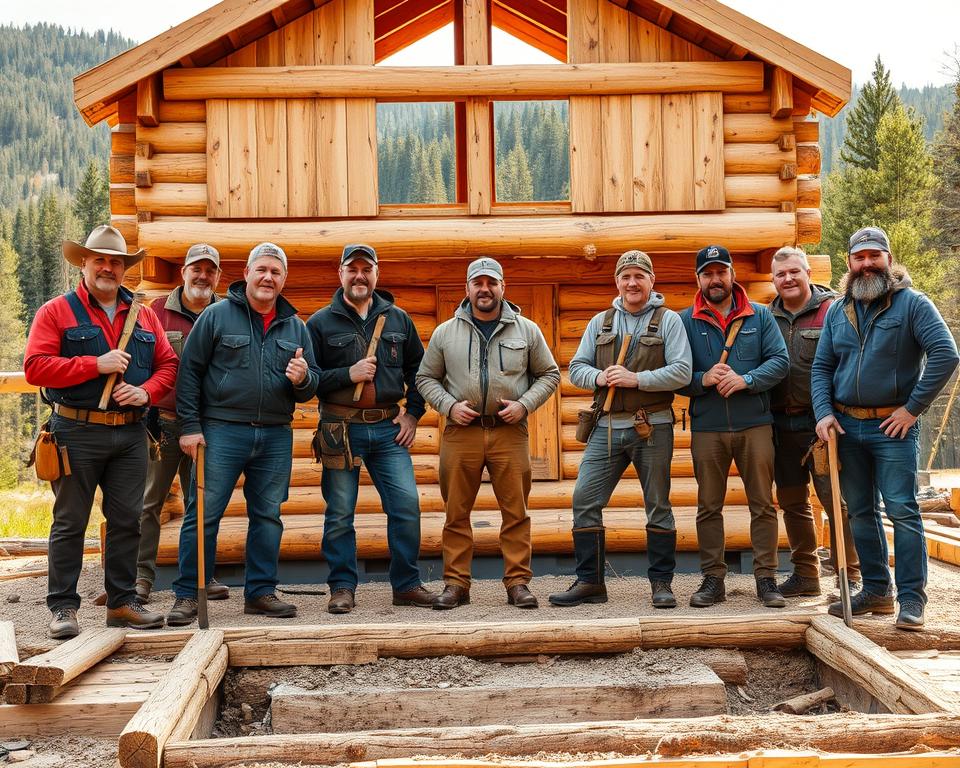
This section guides you through the key factors to consider when choosing a builder.
Experience, Craftsmanship and Reliability
An experienced team brings invaluable knowledge. Look for builders with many years of experience specifically in constructing log cabins. They should have a portfolio showcasing diverse projects.
Ask potential candidates about their experience with both design and construction. Request to see examples of their previous work and speak to past clients. Reputable builders use high-quality materials like kiln-dried timber and offer solutions for effective insulation.
This ensures your log cabin is built to last.
Transparent Pricing and Customisation Options
Trustworthy builders provide clear, itemised quotes. This transparency helps you understand the costs involved in the build. Be wary of vague estimates.
A detailed contract should outline the scope of work, timeline, and warranty terms. A professional team will collaborate with you to create a bespoke design. They tailor the materials and insulation to your vision and the site’s specific requirements.
Common Pitfalls and Mistakes in Log Cabin Construction
Several recurring issues plague garden log cabin projects, often stemming from simple oversights. Awareness of these common mistakes helps ensure a durable and trouble-free cabin.
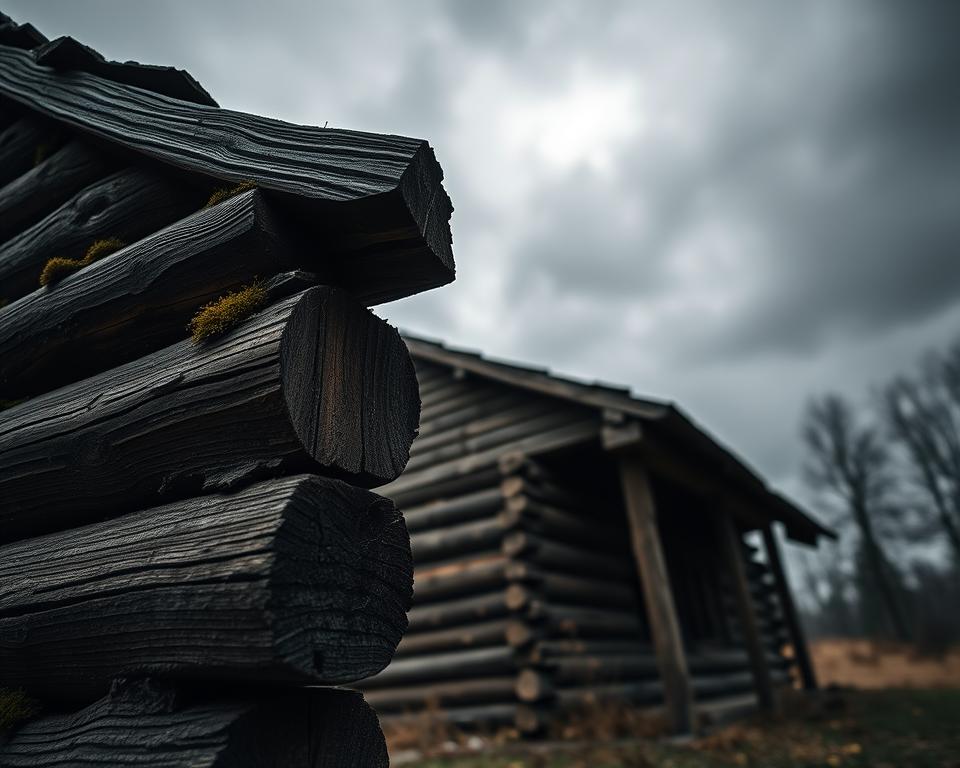
Improper Placement and Boundary Issues
Positioning a structure too close to boundaries is a frequent error. Logs and other wood materials need space to breathe. Placing the cabin within 0.6 metres of a fence can trap moisture.
This leads to condensation and mould growth. It also restricts access for future maintenance. Homeowners should make sure there is ample clearance on all sides.
Keeping the total height under 2.5 metres is also crucial. This prevents blocking a neighbour’s light and avoids planning complications. A well-planned base and location are foundational.
Neglecting Protective Finishes and Essential Maintenance
Another critical mistake involves protective treatments. Many people paint pressure-treated wood too soon. The wood must cure for several months, especially in winter.
Applying stain or paint before it dries can trap moisture. This damages the logs over time. All garden log structures require a robust maintenance schedule.
Remember that wood naturally expands and contracts. Avoid attaching items rigidly across multiple logs. A proper roof finish and sealed base complete the protection.
Conclusion
The journey to a perfect garden retreat culminates in a personal choice. There is no single correct answer for everyone. The best path depends entirely on individual skills, available time, and budget.
Self-assembly offers great satisfaction and cost savings. It requires a commitment of several days and confidence with tools. For those short on time or seeking guaranteed quality, professional builders provide an excellent solution.
Whichever route you take, proper planning is non-negotiable. A solid base, correct positioning, and protective treatments for the log walls and roof are vital. This guide serves as a comprehensive resource for your project.
Use the advice within to make an informed decision. Careful planning ensures your new cabin becomes a cherished part of your garden for years to come. All garden buildings, especially timber cabins, thrive with thoughtful care.
FAQ
Do I always need planning permission for a garden log cabin?
Not always. In many cases, a log cabin falls under ‘permitted development’ rights, provided it meets specific criteria. This includes limits on size, height, and its position on the property. It is crucial to check with the local planning authority before starting any work.
What is the most important step in preparing for a log cabin?
Creating a solid, level base is paramount. A proper foundation, such as a concrete base or concrete pads, prevents future structural issues like warping or subsidence. This step ensures the longevity and stability of the entire garden building.
How long does it typically take to build a log cabin?
The timeframe varies significantly. A simple kit might be assembled by a DIY enthusiast over a weekend. Larger, more complex structures built by professionals could take several weeks. Factors like weather, foundation preparation, and the complexity of the design all influence the overall time.
What are the key advantages of hiring a professional builder?
Professional builders bring expertise, craftsmanship, and efficiency. They ensure the structure is built to last, handle complex aspects like insulation and roofing, and often provide guarantees on their workmanship, offering significant peace of mind.
Can I customise a pre-fabricated log cabin kit?
Yes, many suppliers offer various customisation options. While kits provide a basic structure, you can often alter window and door placements, add partitions, or choose different external finishes to better suit your needs and aesthetic preferences.
What common mistakes should I avoid during construction?
Common errors include neglecting to treat the timber with protective finishes, improper sealing between logs, and failing to account for adequate roof overhang. These oversights can lead to moisture damage, drafts, and a reduced lifespan for the cabin.
Is a log cabin a good investment for a garden?
A> A well-constructed log cabin can add functional space and potentially increase property value. It provides a versatile area for hobbies, work, or relaxation, making it a valuable addition for many homeowners.