Winter Gardening: Keep Greenhouse Warm with Simple Tips
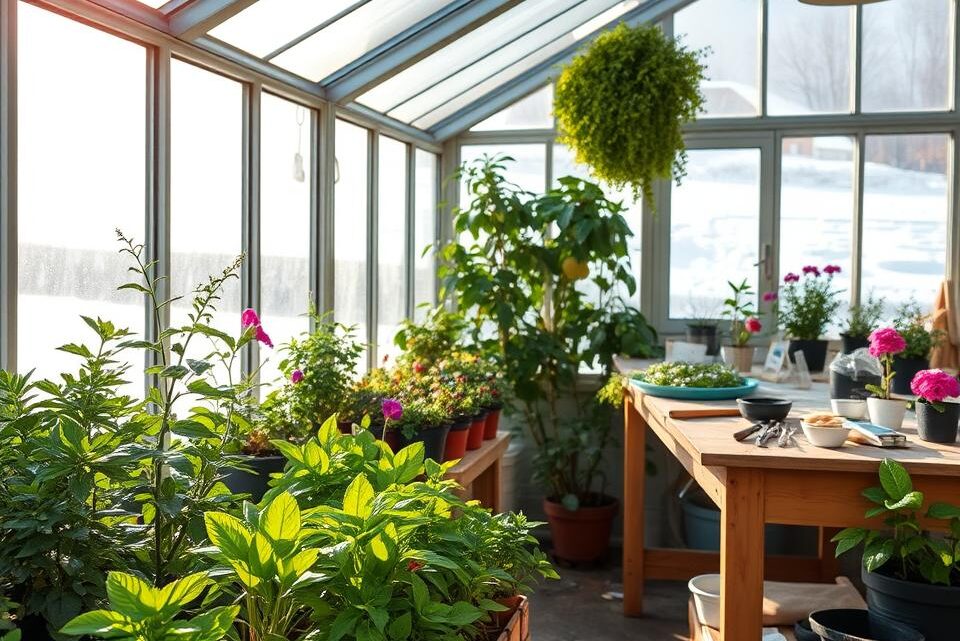
A greenhouse offers an ideal environment for plants to flourish throughout the year. The structure is specifically designed to maintain optimal growing conditions regardless of external factors. During the colder months, however, additional measures become necessary to preserve this delicate balance.
The glass panels that welcome sunlight in summer can unfortunately allow heat to escape when temperatures drop. This creates a challenge for gardeners seeking to protect their plants. Fortunately, maintaining adequate warmth does not require expensive solutions or complex equipment.
Many cost-effective methods exist to help safeguard plants during chilly periods. Even hardy varieties benefit from extra protection when frost threatens. The key lies in understanding how to work with the greenhouse’s design rather than against it.
This guide explores practical approaches to temperature management. It covers everything from basic insulation techniques to efficient heating strategies. Gardeners of all experience levels will find accessible advice for their needs.
Inhaltsverzeichnis
Key Takeaways
- Greenhouses require additional insulation during colder months to protect plants
- Cost-effective solutions exist for maintaining optimal growing conditions
- Even hardy plant varieties benefit from extra winter protection
- The structure’s design features can present both advantages and challenges
- Practical, accessible methods are available for gardeners at all skill levels
- Proper preparation ensures plants thrive throughout the entire year
- A combination of techniques often yields the best results
Preparing Your Greenhouse for Winter Challenges
The structural integrity of the enclosure directly impacts its ability to retain warmth during chilly months. A proactive approach to maintenance establishes the foundation for all subsequent temperature management strategies.
Inspecting Structural Integrity and Identifying Gaps
Regular inspection routines help identify potential weak points before they become significant issues. Gardeners should examine all glass panels, frame joints, and connection points for signs of wear.
Common problem areas include ventilation systems, door seals, and flooring joints. Even minor cracks can expand over time, leading to substantial heat loss. Silicone caulking proves effective for smaller gaps, while camper seal works well for uneven surfaces.
Managing Heat Leaks and Sealing Points
Effective sealing requires appropriate materials for different types of gaps. Spray foam offers a reliable solution for challenging areas where other methods fall short.
Cleaning surfaces with soap or bleach improves light transmission and facilitates better inspection. Removing clutter and checking for pests supports plant health during enclosed conditions.
| Sealing Method | Best For | Application | Durability |
|---|---|---|---|
| Silicone Caulking | Small, precise gaps | Frame joints | High |
| Camper Seal | Larger, uneven surfaces | Window frames | Medium |
| Spray Foam | Difficult access areas | Structural joints | High |
This systematic approach ensures maximum efficiency for heating systems by preventing unnecessary energy loss. Proper preparation transforms the structure into a reliable environment for plant growth throughout the year.
Winter Gardening: Keep Your Greenhouse Warm with These Simple Tips
Gardeners seeking to safeguard their cultivated specimens from temperature extremes have multiple economical options. These approaches provide reliable protection without requiring significant financial investment.
Simple, Cost-Effective Measures for Greenhouse Warmth
Insulation blankets offer a practical solution for reducing heat loss. These specialised covers add an extra protective layer that traps warmth effectively.
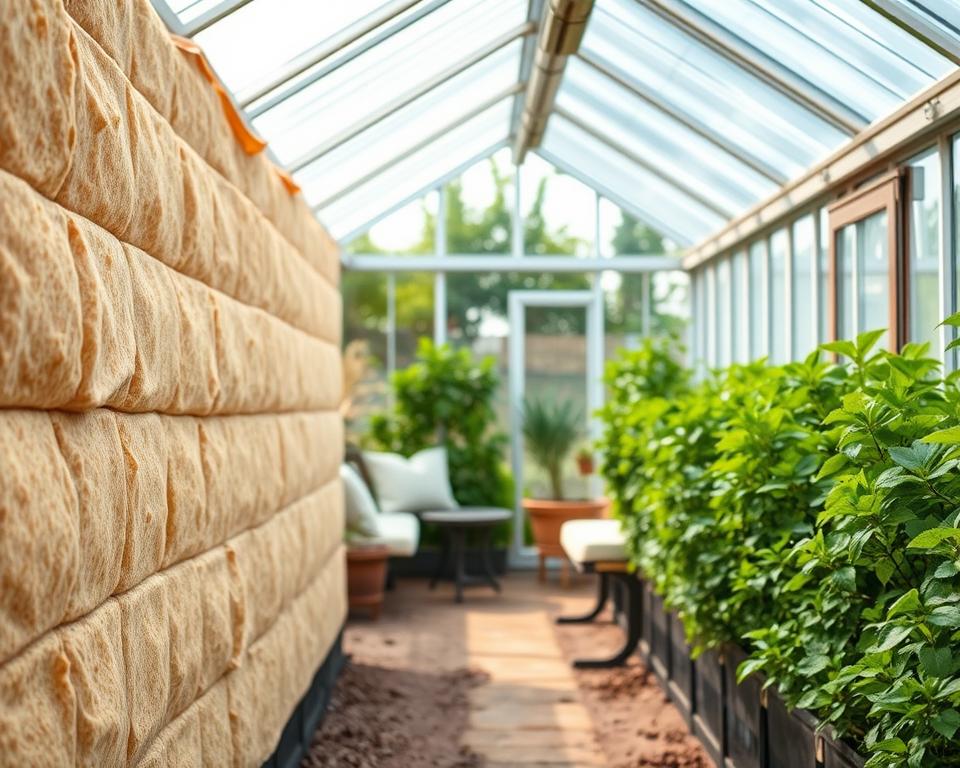
Applying these blankets is straightforward. Gardeners can drape them over the structure or attach them securely to the frame. This method proves particularly valuable during night-time hours when temperatures drop significantly.
Single-wall polycarbonate structures benefit greatly from this approach. They provide less thermal resistance compared to double-wall options.
Horticultural fleece serves as another excellent option for plant protection. This lightweight material allows sunlight and moisture penetration while offering frost protection.
| Method | Best Application | Installation | Effectiveness |
|---|---|---|---|
| Insulation Blankets | Overall structure | Night application | High |
| Horticultural Fleece | Individual plants | Evening placement | Medium |
| DIY Fabric Covers | Budget options | Custom fitting | Variable |
These accessible methods ensure plants receive adequate protection. They maintain favourable conditions inside the greenhouse throughout challenging periods.
Modern Heating Solutions for a Safe and Efficient Greenhouse
Choosing the right heating method is crucial for maintaining optimal conditions in protected growing areas. Modern systems provide reliable warmth while prioritising safety and energy efficiency.
Electric and Gas Heating Options Explained
Electric heaters offer excellent control over temperature settings. They are widely available and simple to operate. Many models include built-in thermostats for automatic regulation.
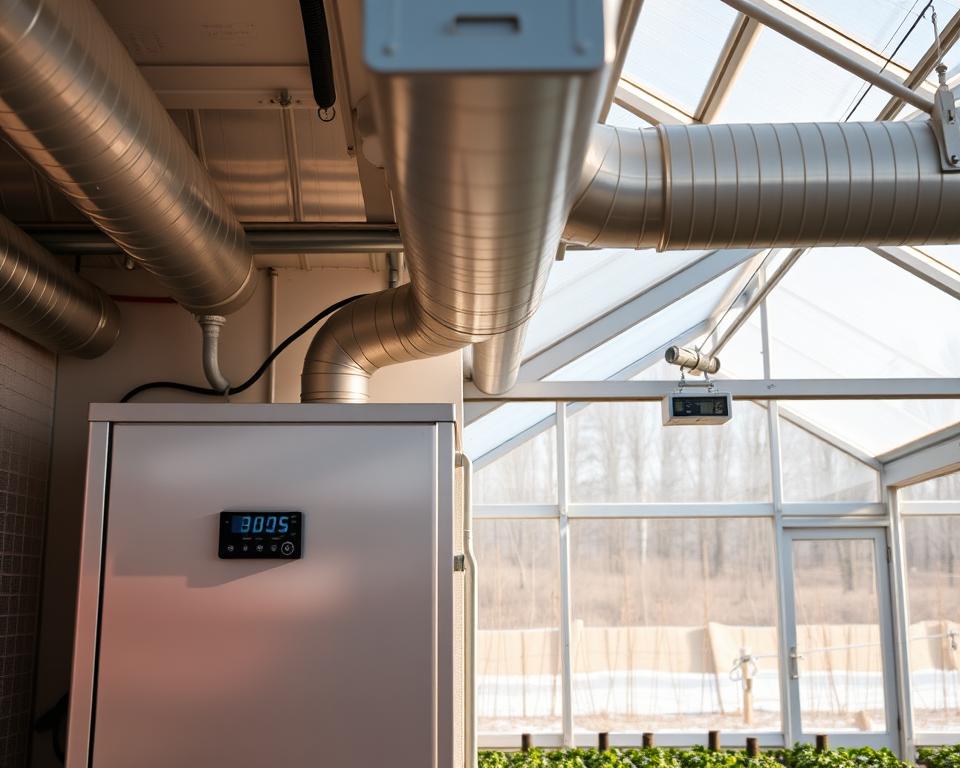
Fan heaters distribute warmth evenly throughout the space. They prevent cold spots and improve air circulation. Tube heaters provide background heat using less energy.
| Heating Type | Best Use | Energy Efficiency | Safety Level |
|---|---|---|---|
| Electric Fan Heater | Large spaces | High | Excellent |
| Tube Heater | Background heat | Medium | Good |
| Heating Mats | Specific areas | High | Excellent |
Using Thermostats and Thermometers for Better Control
Accurate temperature monitoring is essential for plant health. Thermostats help maintain consistent heat levels. However, their readings may not reflect actual plant conditions.
Place a maximum/minimum thermometer near plant height. This provides a true picture of the environment. Regular checks ensure the heating system functions correctly.
Strategic use of heating equipment manages energy consumption effectively. Consider eco-tariffs for reduced environmental impact.
Smart Insulation and Sunlight Management Strategies
Advanced temperature regulation combines effective insulation with intelligent use of natural light. This dual approach significantly reduces energy consumption while maintaining a stable environment.
Utilising Insulation Blankets and Bubble Wrap
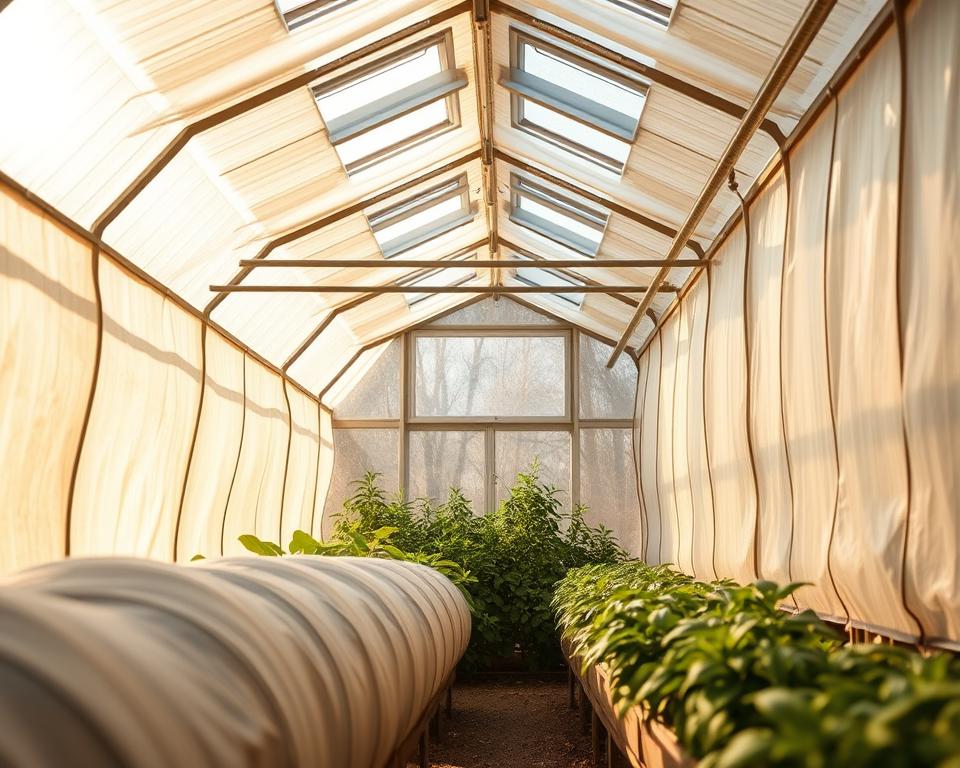
Applying bubble wrap to windows creates a practical insulating layer. This method traps air pockets, reducing heat loss without blocking light. It is a cost-effective material for improving efficiency.
Creating separate zones inside the greenhouse is a smart strategy. Perspex partitions or bubble wrap curtains allow targeted heating. This means tender plants receive extra protection without heating the entire space.
Maximising Natural Light to Reduce Energy Usage
Harnessing sunlight is crucial for cutting energy use. A structure should be positioned away from shade to capture maximum daylight. Keeping covers clean ensures optimal light penetration.
Proper ventilation manages humidity levels. Opening vents on sunny mornings allows fresh air to circulate. This prevents condensation and fungal issues. Remember to close vents before sunset to retain warmth.
| Strategy | Primary Benefit | Key Consideration |
|---|---|---|
| Bubble Wrap Insulation | Traps heat | Maintains light transmission |
| Zone Heating | Energy efficiency | Ideal for tender plants |
| Natural Light Maximisation | Reduces heating costs | Depends on location |
Balancing these elements creates optimal conditions for plant health. It is about smart management, not just applying maximum heat.
Conclusion
Achieving optimal growing conditions throughout the year requires a strategic approach to environmental control. The various methods discussed provide flexible solutions for different budgets and plant requirements. Gardeners can select combinations that suit their specific circumstances.
Proper structural preparation prevents heat loss effectively. Cost-effective insulation techniques and modern heating systems work together to maintain suitable temperature levels. Intelligent management of natural light and ventilation creates the ideal environment for plant health.
While heating systems and insulation materials require investment, the long-term benefits justify the expenditure. Modern greenhouse options with polycarbonate and styrene glazing offer superior strength and crack resistance. These materials provide better heat retention for maintaining warmth during colder days.
FAQ
What is the most cost-effective way to keep a greenhouse warm in winter?
One of the most economical methods is improving insulation. Applying horticultural bubble wrap to the glass panels significantly reduces heat loss. Ensuring all gaps are sealed and making the most of sunlight during the day are also highly effective, low-cost strategies.
At what temperature should a greenhouse heater be set?
The ideal temperature setting depends on the plants being cultivated. For protecting tender plants from frost, maintaining a minimum temperature of 5°C is often sufficient. Using a reliable thermostat is crucial for precise control, preventing energy waste and ensuring a stable environment.
How can I heat my greenhouse without electricity?
Several methods exist for heating without power. Passive solar gain is key—maximising light intake on sunny days and using thermal mass like water barrels to store heat for night-time. For additional warmth, paraffin heaters offer a traditional, non-electric heating solution, though they require careful ventilation.
Is bubble wrap a good insulator for greenhouse windows?
Yes, specially designed horticultural bubble wrap is an excellent insulator. It creates an insulating layer of air that reduces heat escape while still allowing light to penetrate. It is an affordable and efficient way to improve a structure’s thermal efficiency during the colder months.
What are the benefits of using a thermostat in a greenhouse?
A thermostat provides automatic control over the heating system. It maintains a consistent temperature, which is vital for plant health. This prevents damaging fluctuations, protects plants from sudden cold snaps, and optimises energy usage by only activating the heater when necessary.
Can the sun alone keep a greenhouse warm enough in winter?
On bright, sunny days, solar energy can raise the internal temperature considerably. However, this heat dissipates quickly after sunset. To prevent frost damage overnight, supplementary heating or effective heat retention methods, such as thermal mass, are usually required to sustain adequate warmth.