What Is an Arbour?
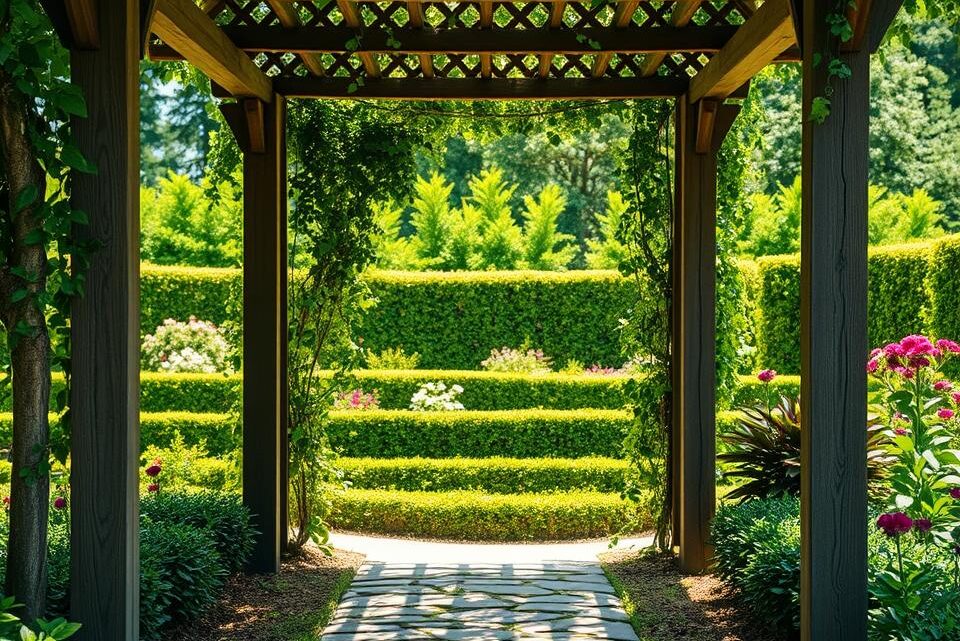
This classic garden structure brings timeless charm to any outdoor space. It typically features two or four posts supporting a simple, often arched, slatted roof. The sides can be open or feature latticework, creating a sense of enclosure.
For centuries, these elegant features have served as beautiful focal points in landscapes. They enhance a garden’s visual appeal while offering practical benefits. Homeowners can choose freestanding designs or versions attached to walls or fences.
Constructed from materials like wood or wrought iron, this garden structure invites relaxation. It transforms an ordinary plot into a defined, enchanting retreat. The design creates an inviting atmosphere perfect for quiet contemplation.
This guide explores how this vertical structure can enhance your garden. It covers its unique qualities compared to similar garden features. Discover why it remains a popular choice for modern outdoor living.
Inhaltsverzeichnis
Key Takeaways
- A garden arbour is a vertical structure with posts and a slatted roof.
- It serves as both an aesthetic focal point and a functional garden feature.
- Arbours can be freestanding or attached to existing structures like fences.
- Common construction materials include wood and wrought iron.
- They create defined, inviting spaces for relaxation within an outdoor area.
- This garden structure has been a beloved feature for many years.
- It enhances the visual appeal and usability of a garden space.
Understanding “What Is an Arbour?”
This garden feature offers a distinct architectural presence. It creates inviting spaces for relaxation and visual interest.
Defining the Arbour
A garden arbour is a vertical framework built from two or four posts. These posts support a simple, slatted roof, which is frequently arched. The sides are often partially enclosed with lattice or trellis work.
This design differs from a pergola, which typically has open sides. The inclusion of side panels provides extra structure and support for climbing plants.
Key Features and Benefits
These structures serve a dual purpose, combining beauty with practicality. Key features and benefits include:
- Shelter and Shade: The roof and sides offer protection from the sun, creating a cool retreat.
- Privacy: Lattice sides help screen an area from view.
- Plant Support: The framework is ideal for training vines and flowering plants.
Typically measuring 4 to 10 feet wide and 8 to 10 feet high, they fit perfectly over paths or seating areas. This versatility makes them a striking focal point in any garden design.
Design Principles and Materials
Creating a beautiful and lasting garden feature relies on thoughtful design and material selection. The right choices ensure the structure is both visually appealing and built to last.
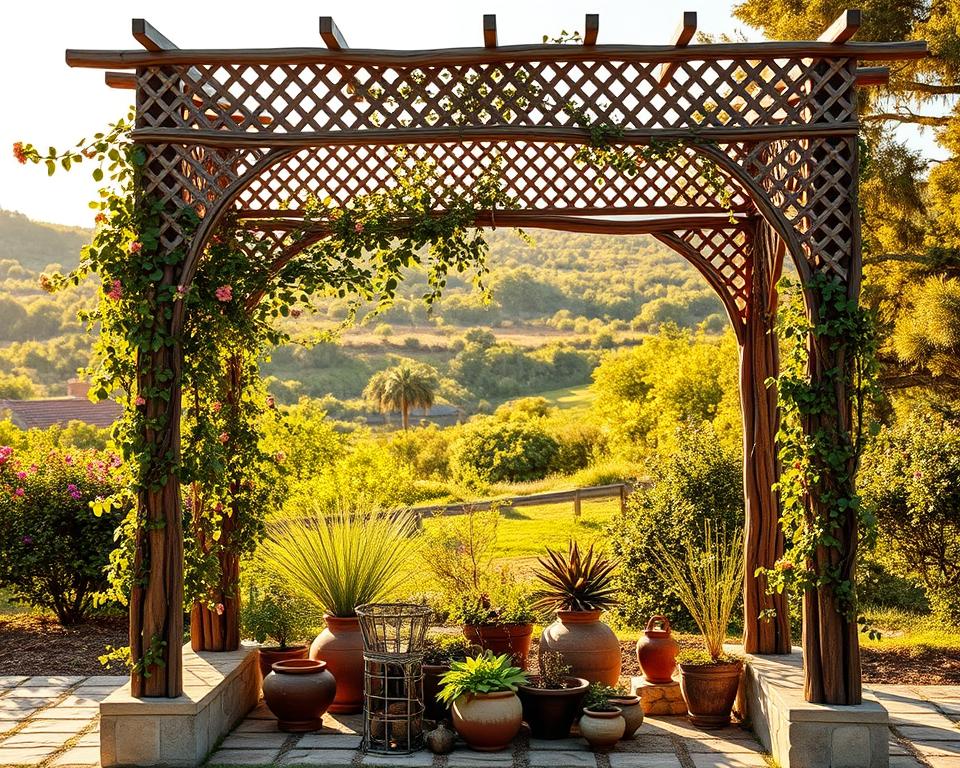
Harmonising the feature with your home‘s architectural style creates a cohesive look. Repeating specific elements from the property’s features ties the garden to the building.
Choosing the Right Materials
Material choice is fundamental. Wood, like treated or weather-resistant lumber, offers a classic, warm aesthetic. It must be strong enough to support mature climbing plants.
Metal options, such as wrought iron or steel, provide modern elegance and durability. Vinyl and bamboo are other popular choices, each with distinct maintenance needs and visual features.
The table below compares common material options:
| Material | Key Features | Maintenance Level |
|---|---|---|
| Wood | Traditional charm, natural warmth | High (requires regular treatment) |
| Wrought Iron | Exceptional durability, elegant | Low |
| Vinyl | Weather-resistant, minimal upkeep | Low |
Essential Structural Components
The framework consists of key parts. Vertical posts form the foundation, providing stability. They support horizontal beams and rafters that create the roof.
Wooden rafters can be simple or ornate with decorative scrollwork. The sides often incorporate lattice panels. These elements offer support for plants and add visual interest.
The roof itself can be open lattice, lath, or covered with a shade cloth. This design provides varying degrees of shade while maintaining an airy feel.
Historical and Cultural Significance
The historical journey of garden structures reveals a fascinating evolution across civilisations. These features have served diverse purposes throughout history, from spiritual sanctuaries to status symbols.
Ancient Origins
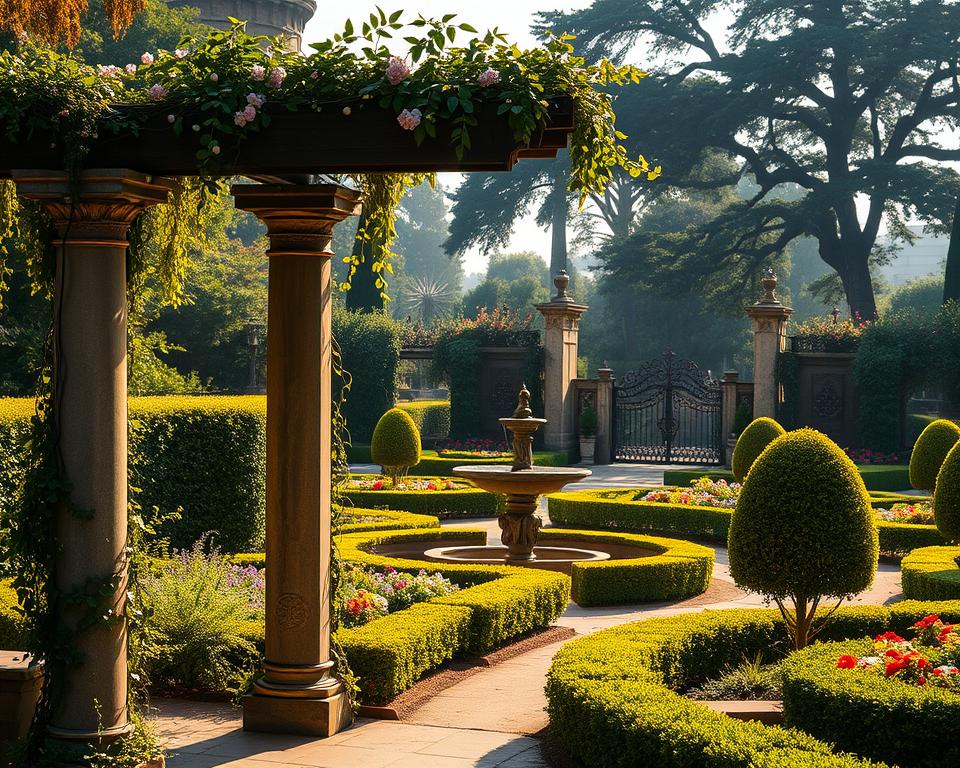
Ancient civilisations developed early versions of these garden features for distinct cultural purposes. The Romans created them as sanctuaries for leisure and philosophical reflection.
Egyptians integrated these shaded structures into lush landscapes to celebrate life’s pleasures. They provided comfortable outdoor living spaces despite intense heat.
Chinese designs represented harmonious melding of architecture and nature. This approach valued balance between human creation and the natural landscape.
The Evolution Through the Ages
European formal gardens saw these structures evolve significantly. During the Renaissance and Victorian eras, they became expressions of wealth and refined taste.
The table below shows how different civilisations utilised these garden features:
| Civilisation | Primary Purpose | Design Characteristics |
|---|---|---|
| Roman | Philosophical retreat | Architectural elegance |
| Egyptian | Celebratory living | Functional shade providers |
| Chinese | Harmony with nature | Organic integration |
| European | Status display | Ornate elaboration |
Simple functional structures transformed into elaborate architectural features. This evolution reflected changing social values and design aesthetics across periods.
Contemporary gardens continue this legacy while adapting to modern lifestyle needs. The enduring appeal demonstrates their timeless ability to enhance outdoor spaces.
Incorporating Climbing Plants and Greenery
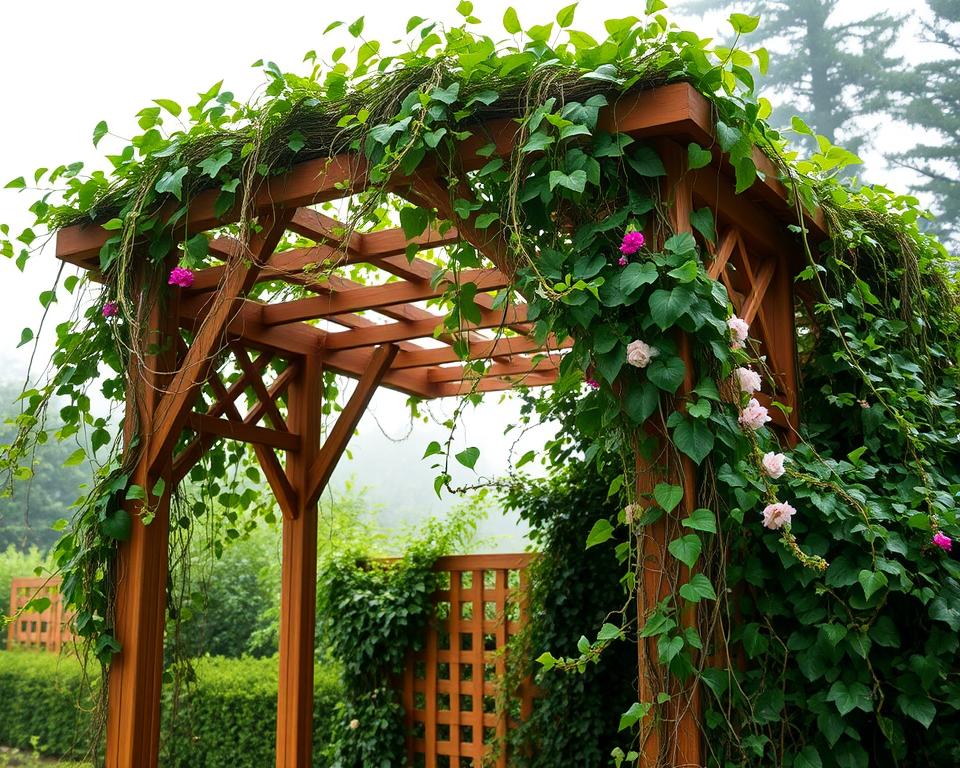
The integration of climbing plants elevates a simple framework into a vibrant garden feature. These living additions provide seasonal interest and natural beauty. They transform the structure into a dynamic, evolving element within the landscape.
Selecting Ideal Climbing Varieties
Choosing the right climbing plants ensures success. Fragrant roses create romantic appeal with their summer blooms. Wisteria offers spectacular cascading flowers in lavender hues.
Grape vines provide both shade and edible fruit. Other excellent choices include clematis, honeysuckle, and jasmine. Each offers unique colours and fragrances for different garden conditions.
Training and Maintenance Tips
Proper training begins at planting time. Position young plants at the base of the columns. Gently guide their growth along the trellis framework.
Regular pruning encourages healthy development and flowering. Provide adequate water and monitor for pests. With consistent care, the plants will create a lush, living canopy.
This greenery-covered masterpiece becomes a focal point of natural beauty. It demonstrates the perfect harmony between structure and nature.
Positioning Your Arbour in the Garden
Strategic placement transforms a garden structure from a simple framework into a beautifully integrated landscape feature. Choosing the right spot ensures it enhances the outdoor space for years to come.
Maximising Sunlight and Shade
Observing sunlight patterns is crucial. A sunny spot provides warmth for relaxation and ample light for climbing plants. This creates an inviting space perfect for morning coffee.
The roof and plants work together to create dappled shade. This offers comfortable shelter during warmer months. It strikes a perfect balance between sun exposure and shade creation.
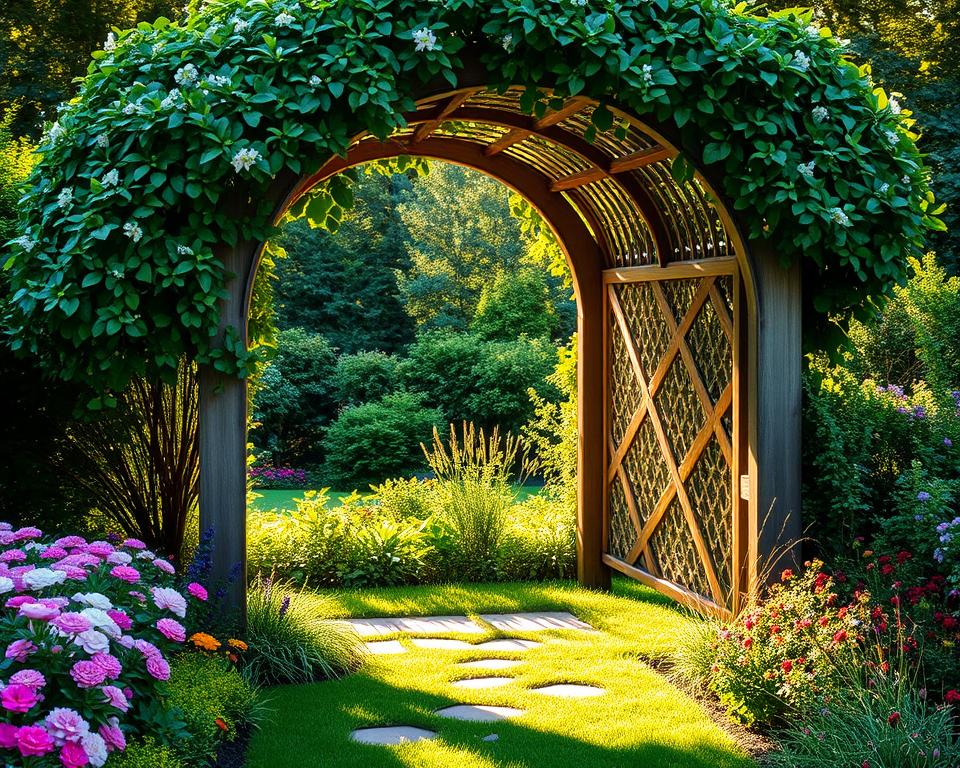
Shelter from prevailing winds is equally important. Identify naturally protected areas within the landscape. This enhances comfort and protects delicate plants from damage.
Integration with the garden’s flow creates harmony. Position the structure along prominent sightlines or garden paths. It can serve as a destination feature that draws visitors to specific areas.
Proper spatial planning prevents common mistakes. Always measure the intended space before purchase or construction. A structure that is too large overwhelms a small garden.
Conversely, one that is too small gets lost in a large space. Consider placement near existing walls, fences, or seating areas. This creates a cohesive design where elements complement each other.
| Placement Factor | Primary Consideration | Desired Outcome |
|---|---|---|
| Sunlight | Hours of direct sun for plants and comfort | Warm, flourishing retreat |
| Wind Exposure | Protection from prevailing winds | Sheltered, durable space |
| Spatial Proportion | Size relative to the garden area | Balanced, integrated feature |
| Visual Flow | Alignment with paths and sightlines | Harmonious landscape journey |
DIY Tips and Customisation Ideas
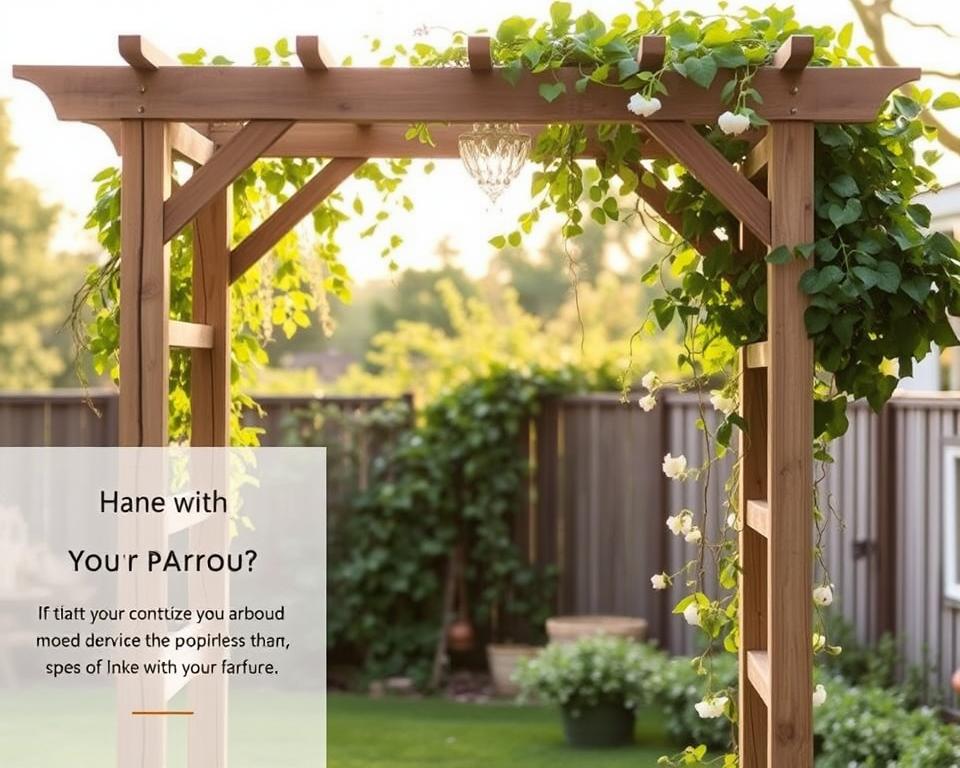
With proper guidance, creating your ideal garden retreat becomes an achievable weekend project. Homeowners can choose between building from scratch or assembling pre-made kits available at garden centres.
Step-by-Step Installation Guide
Begin with thorough site preparation. Mark the exact position where the structure will stand. This initial planning prevents costly mistakes later in the process.
For freestanding designs, dig holes for the posts and set them in concrete. This provides essential stability. Ensure the framework remains level and square during assembly.
Attaching to an existing wall requires different techniques. Use sturdy brackets and appropriate fixings for a secure connection. The table below compares both installation methods:
| Installation Type | Key Requirements | Time Investment |
|---|---|---|
| Freestanding | Concrete foundations, level ground | Moderate to High |
| Wall-Attached | Solid wall structure, mounting hardware | Low to Moderate |
Creative Customisation Options
Personalise your structure to reflect your home’s architectural style. Repeating design elements creates visual harmony between house and garden.
Integrating comfortable seating transforms the space. A built-in bench or separate garden seating invites relaxation. Adding plush cushions creates a cosy retreat.
Lighting features can dramatically enhance evening atmosphere.
Soft outdoor lighting adds magical interest after dark. String lights or lanterns provide enchanting illumination. These custom features make the area perfect for quiet contemplation.
Arbours in Modern Garden Design
Contemporary gardens increasingly use architectural features to extend living areas outdoors. These elements create seamless transitions from inside to outside.
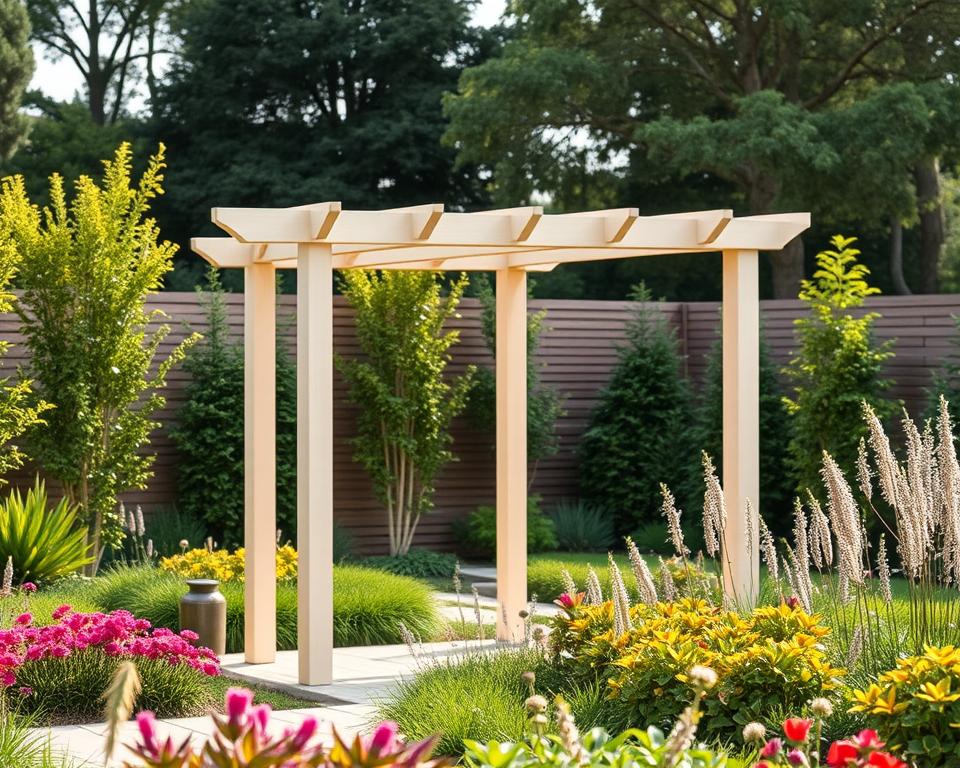
These elegant structures have evolved far beyond their traditional roles. They now serve as sophisticated focal points that add significant visual interest.
Enhancing Outdoor Living
Modern designs transform these features into versatile hubs for relaxation. They define specific areas within a garden, creating intimate spots for seating or contemplation.
The open lattice roof is a key design feature. It frames views of the sky and filters sunlight, creating a dappled effect perfect for summer afternoons.
This makes any garden feel like a personal retreat. Even small spaces gain charm and character with this addition.
Compared to larger pergolas, these structures offer a more intimate scale. They are ideal for creating cosy corners rather than covering extensive dining areas.
Their appeal extends to public spaces and urban gardens. They bring a touch of nature and serenity to bustling environments.
Conclusion
Ultimately, the true value of an arbour lies in its unique synthesis of form and function. It stands as a multifaceted garden feature, blending aesthetic charm with practical benefits like shelter, shade, and support for climbing plants.
This guide has explored its versatility across different garden styles. From defining pathways to creating secluded retreats, these structures bring purpose to outdoor spaces. Their enduring design, with key framework elements like posts and trellis work, has adapted through centuries.
While distinct from larger pergolas, an arbour shares the core aim of enhancing outdoor living. It invites one to slow down and connect with nature. This simple structure transforms any plot into a personal sanctuary of quietude and grace.
FAQ
What is the primary purpose of an arbour?
An arbour serves as a decorative garden structure, often forming an arched entrance or a shaded retreat. Its key purpose is to support climbing plants like roses or vines, creating a beautiful focal point in the landscape.
How does an arbour differ from a pergola?
While both are garden structures, an arbour typically features a simpler design with an arched top and often includes sides. A pergola usually has a flat, open-lattice roof supported by posts, covering a larger seating or living area.
What materials are best for building a durable arbour?
Wood, particularly treated timber or cedar, offers a traditional and natural look that blends well with plants. Metal arbours, such as those made from steel, provide excellent strength and longevity for supporting heavy greenery.
Can an arbour provide privacy in a garden?
A> Yes, once covered with dense climbing plants, an arbour can create a secluded spot. It acts as a living wall, offering shelter and privacy while adding lush greenery to your outdoor space.
Where is the ideal position for an arbour?
Position an arbour to maximise sunlight for sun-loving plants or to create shade over a bench. Placing it as an entrance arch or a focal point enhances the garden’s design and visual interest.
What are good climbing plants to train on an arbour?
Popular choices include climbing roses, clematis, and jasmine. These plants are selected for their beauty and fragrance, easily trained onto the arbour’s framework to create a stunning garden feature.
Are there customisation options for arbours?
Absolutely. Homeowners can add elements like a built-in bench, lattice sides, or decorative posts. Custom paint colours or finishes allow the structure to complement any garden design scheme perfectly.
How does an arbour enhance modern garden design?
In contemporary landscapes, an arbour adds architectural interest and defines different areas. It extends outdoor living space, providing a sheltered spot for relaxation and social gatherings during the summer months.