How to Build Your Own Garden Fountain – Step-by-Step Guide
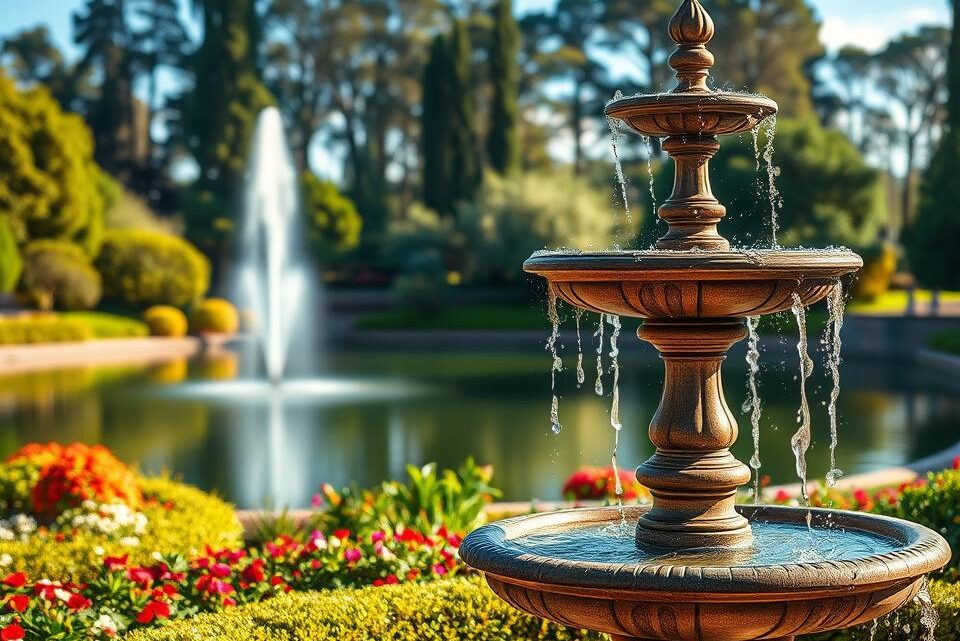
Transforming your outdoor space into a tranquil retreat can be achieved by adding a beautiful water feature. A garden fountain not only enhances the aesthetic appeal of your garden but also creates a soothing atmosphere. In this comprehensive guide, we will walk you through the process of creating your own DIY garden fountain from scratch.
You will learn about the different types of fountains you can build, the materials and tools required, and detailed step-by-step instructions to complete this DIY project. Whether you are a beginner or an experienced gardener, this guide is designed to help you create a stunning water feature that will provide years of enjoyment.
Inhaltsverzeichnis
Key Takeaways
- Understand the benefits of incorporating a water feature into your garden.
- Learn about the different types of fountains you can build.
- Discover the materials and tools required for the project.
- Follow step-by-step instructions to complete your DIY garden fountain.
- Gain insights into maintaining your fountain for long-term enjoyment.
The Benefits of Adding a Water Fountain to Your Garden
Adding a water feature to your garden can transform it into a peaceful retreat. A well-designed water fountain not only enhances the aesthetic appeal of your outdoor space but also creates a soothing atmosphere that promotes relaxation.
Creating a Tranquil Outdoor Space
A water fountain can be a focal point in your garden, creating a sense of calm and serenity. The gentle sound of running water masks urban noise, making your garden a tranquil oasis. By incorporating a fountain, you can increase the biodiversity of your garden by attracting birds, butterflies, and beneficial insects.
Environmental Benefits
Modern water features are designed to be eco-friendly and energy-efficient. When powered by solar energy, they are free to run and require minimal maintenance. This not only reduces your carbon footprint but also eliminates the need for electricity bills and wiring. The table below highlights some key environmental benefits of installing a fountain in your garden.
| Environmental Benefits | Description |
|---|---|
| Eco-friendly | Reduces carbon footprint |
| Energy-efficient | Free to run when powered by solar energy |
| Low Maintenance | Minimal upkeep required |
By installing a water fountain, you can enhance your garden’s overall design while contributing to a more sustainable environment. The benefits of a water feature extend beyond aesthetics, providing a tranquil space that promotes well-being.
Understanding the Anatomy of a Garden Fountain
The key to building an impressive garden fountain lies in comprehending its fundamental parts. A garden fountain is not just a decorative element; it’s a system that requires careful planning and execution.
Basic Components of a Water Fountain
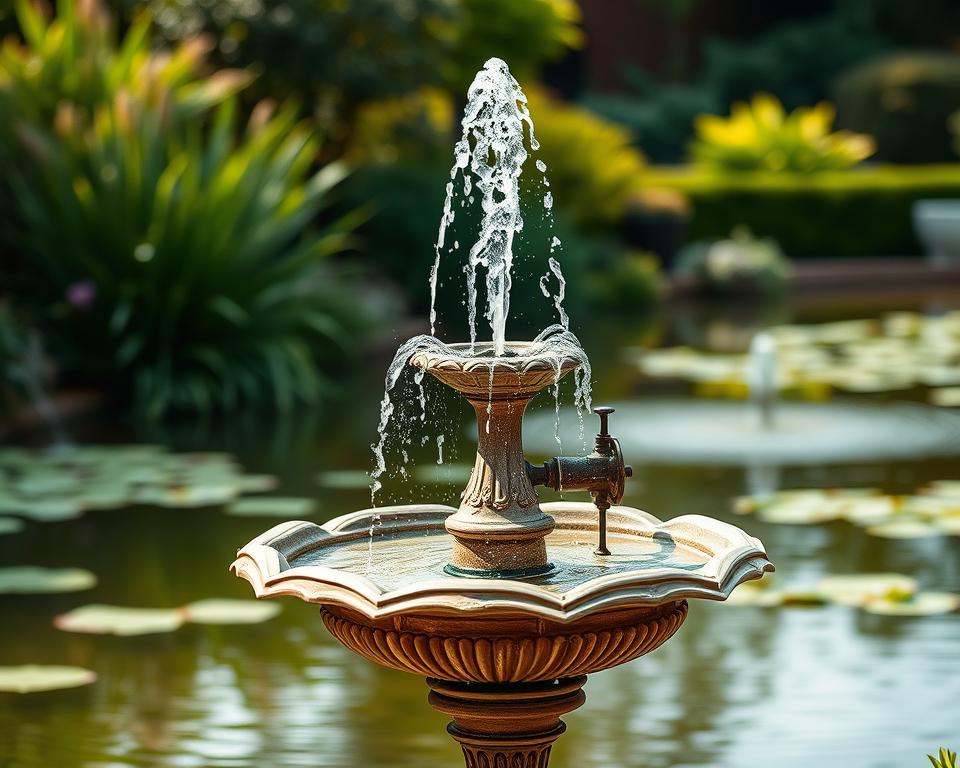
A basic fountain is made up of four different components: a water basin, water feature pump, fountain head, and water. The water feature pump is the heart of the system, submerged underwater to circulate and filter water. The basin acts as a reservoir, collecting and storing the water that will be recirculated through the system.
How Water Circulation Works
Understanding how water circulation works is crucial for proper fountain function. Water flows from the basin through the pump, up through tubing, and then cascades back down into the basin in a continuous cycle, creating the water flow and structure of your water fountain. Different types of fountain heads create various water effects, allowing you to customise the look and sound of your fountain.
Planning Your Garden Fountain Project
To ensure your garden fountain project is a success, thorough planning is essential. Proper planning helps you avoid costly mistakes and ensures that your fountain complements your garden’s overall aesthetic.
Choosing the Perfect Location
When selecting a location for your fountain, consider several key factors. These include proximity to electrical outlets, sun exposure, visibility from seating areas, and the surrounding landscape. The placement of your solar panel is crucial for optimal performance, as fountains require direct sunlight to operate effectively. Most solar-powered fountains come with a cable that allows you to place the panel in a sunny spot even if the water feature is in the shade.
| Location Factor | Consideration |
|---|---|
| Proximity to Electrical Outlets | Ensure easy access for power supply |
| Sun Exposure | Optimal sunlight for solar panels |
| Visibility from Seating Areas | Maximize enjoyment of the fountain |
Determining the Right Size and Style
The size of your fountain should be proportional to your garden. A fountain that is too small may get lost in the space, while one that is too large could overwhelm the area. Your fountain’s style should complement your existing garden design, whether you prefer a formal, contemporary, rustic, or naturalistic aesthetic. Consider the practical aspects of your chosen location, including ground stability, drainage, and accessibility for maintenance.

Essential Tools and Materials You’ll Need
Gathering the right tools and materials is a vital step in building a beautiful and functional garden fountain. To ensure a smooth construction process, you’ll need to prepare the essential tools and materials.
Required Tools for Construction
You’ll need a range of tools to construct your garden fountain, including a shovel for digging, a drill with masonry bits for stone work, pipe cutters for tubing, a level for ensuring proper alignment, and basic hand tools like wrenches and screwdrivers.

Materials Shopping List
To build your garden fountain, you’ll need a waterproof basin or container, a submersible pump, tubing, and decorative elements like stones or pottery. Additional materials include waterproof sealant, drainage gravel, mesh screens, and electrical supplies if you’re not using solar power.

Choosing the Right Pump
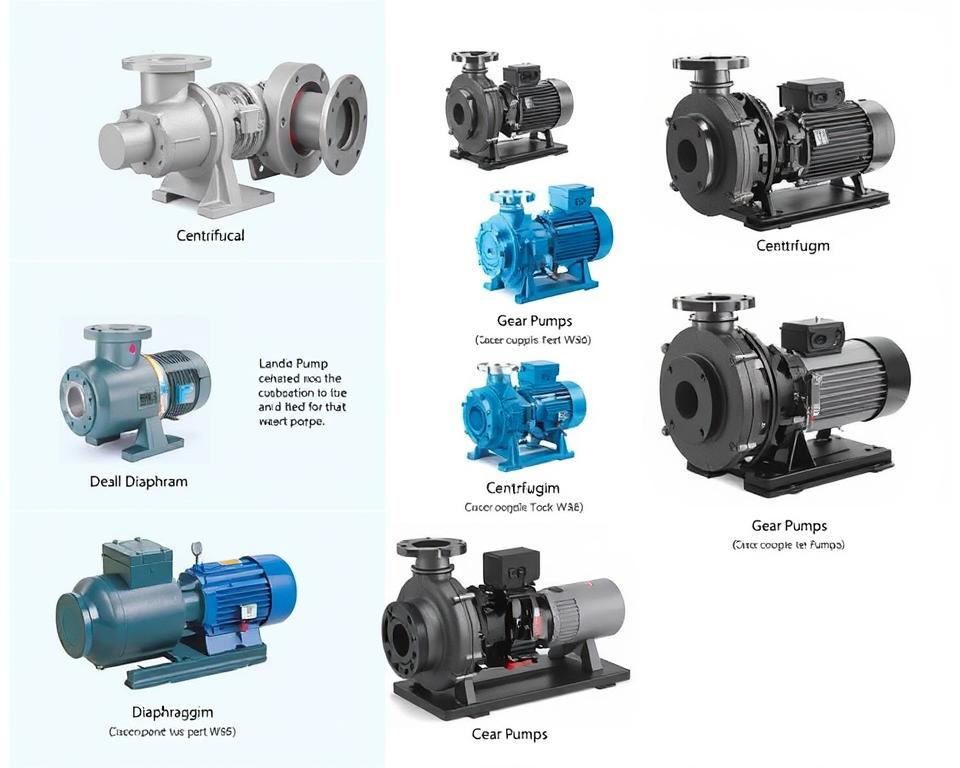
Selecting the right pump is crucial for your garden fountain. Consider factors such as flow rate, lift height capability, and whether you need special features like adjustable flow or LED lighting. Choose a pump that is suitable for your fountain size and design.
Types of Garden Fountains You Can Build
Your garden’s character can be greatly enhanced by the addition of a well-chosen water feature. When it comes to building a garden fountain, you have several options to consider, each with its unique charm and requirements.
Waterfall Cascade Fountains
Waterfall cascade fountains create a soothing, natural effect as water flows over a series of stones or ledges, mimicking the sound and appearance of a natural waterfall. This type of fountain is ideal for larger gardens.
Container Water Fountains
Container water fountains are perfect for smaller spaces or beginners. They utilise decorative pots, urns, or bowls to create a self-contained water feature that’s relatively simple to construct.
Stone Stack Fountains
Stone stack fountains, also known as cairn fountains, feature carefully balanced stones with water bubbling from the top and cascading down the sides. This creates an artistic and meditative focal point in your garden.
| Fountain Type | Aesthetic Appeal | Construction Difficulty |
|---|---|---|
| Waterfall Cascade | Natural, soothing | Moderate to High |
| Container Water | Simple, elegant | Low to Moderate |
| Stone Stack | Artistic, meditative | Moderate |
How to Build Your Own Garden Fountain – Step-by-Step Guide
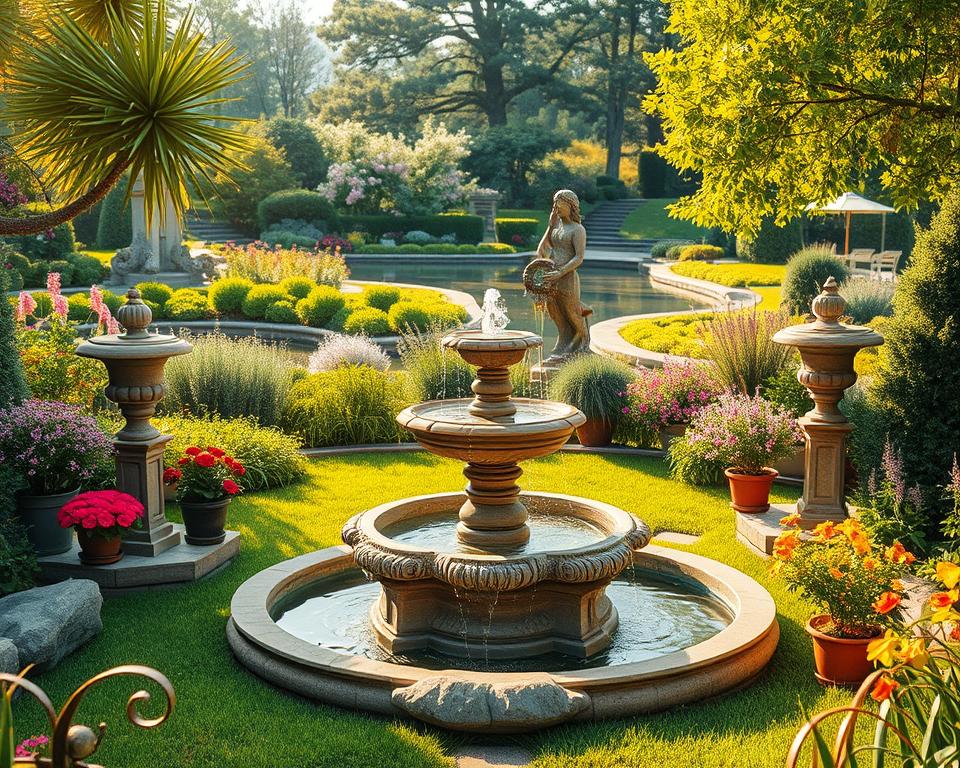
Building a garden fountain is a step-by-step process that can be completed with basic DIY skills. To start, you need to prepare the site, create a solid foundation, and set up the basin and reservoir correctly.
Preparing the Site
The first step in building your garden fountain is preparing the site. This involves clearing vegetation, levelling the ground, and marking out the dimensions of your water feature. Use a pointed shovel to dig a pit 2 inches deeper than the basin and wide enough to fit it. Place the soil in a wheelbarrow or on a tarp to protect nearby turf.
Creating the Foundation
Creating a solid foundation is crucial for the stability and longevity of your fountain. This typically involves digging a hole slightly larger than your basin and creating a level base with compacted sand or gravel. Lay a 2-inches-thick bed of drainage gravel in the pit and place the basin atop it.
Setting Up the Basin and Reservoir
When setting up the basin, ensure it sits perfectly level on the foundation and is positioned at the right height for your design. Surround the basin with additional gravel or soil, compacting it firmly to prevent shifting over time. If your fountain requires electricity, install conduit for power cables, ensuring they’re properly protected and meet safety regulations for outdoor electrical installations.
To illustrate the process, consider the following key steps:
- Clear the site and level the ground before marking out the dimensions of your fountain.
- Dig a pit that is 2 inches deeper than the basin and lay a bed of drainage gravel.
- Position the basin on the gravel base, ensuring it is level and secure.
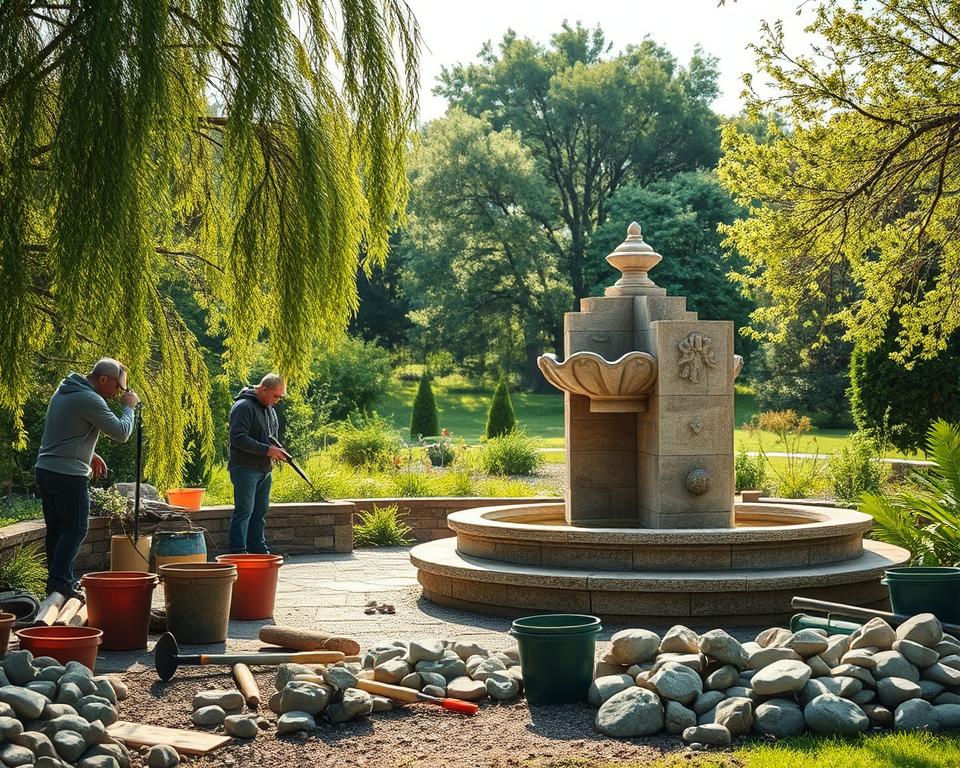
By following these steps, you can create a beautiful garden fountain that enhances your outdoor space. Remember to check that your basin is secure, level, and properly positioned according to your design plan to avoid complications later in the construction process.
Installing the Pump and Plumbing System
To ensure your garden fountain operates efficiently, the pump and plumbing system must be installed correctly. This involves several key steps that require attention to detail to ensure the system functions properly and safely.
Positioning the Pump Correctly
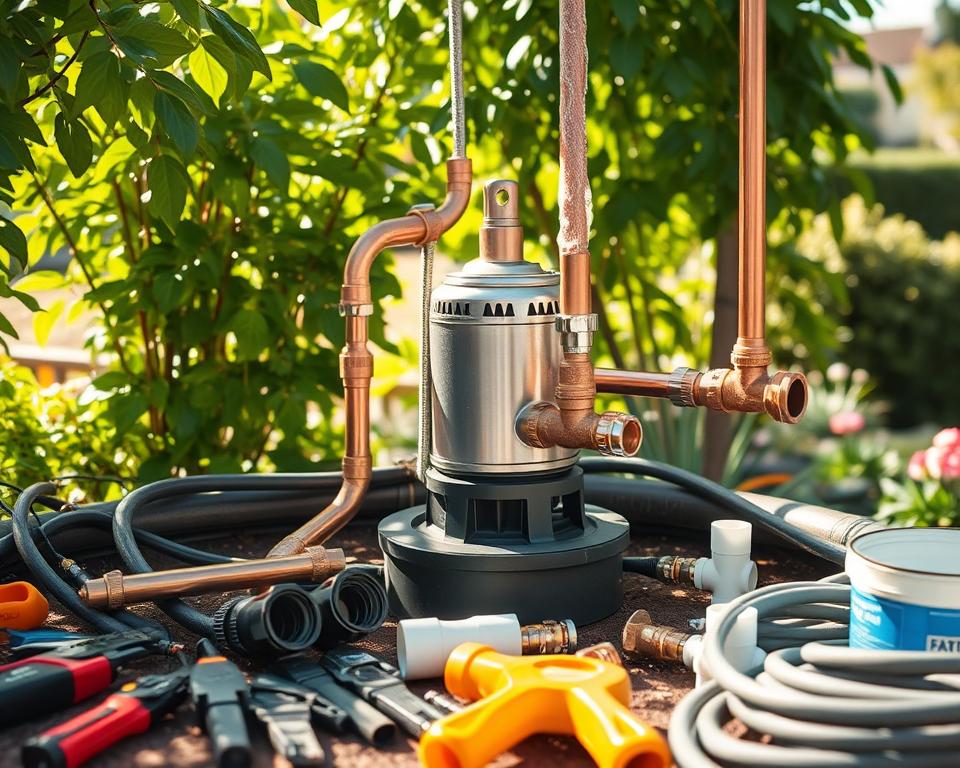
When positioning the pump, it’s essential to place it on a flat surface in the deepest part of the basin, ensuring it’s fully submerged when the fountain is operating but accessible for maintenance. You should center the pump in the basin and mark the screen at the spot directly over the threaded outlet on the pump.
Connecting the Pipes and Tubing
Connecting pipes and tubing involves measuring and cutting the appropriate lengths, securing connections with clamps or compression fittings, and ensuring there are no kinks or sharp bends that could restrict water flow. For example, you’ll need to cut a 4-inch section off the end of the copper pipe and attach it to the ball valve using compression fittings.
Testing the Water Flow
Testing the water flow before finalizing the installation allows you to make adjustments to the pump position, tubing configuration, or flow rate to achieve the desired water effect. Ensure all electrical connections are properly sealed and protected from water, using waterproof junction boxes and following safety guidelines for outdoor electrical installations.
As emphasized by experts, “Proper installation of the pump and plumbing system is critical to the functionality of your garden fountain and requires careful attention to detail.” By following these steps, you can ensure your garden fountain is both beautiful and functional.
Constructing the Fountain Structure
Constructing the fountain structure is a crucial step in creating a beautiful and functional garden fountain. The structure is the visible, decorative element of your water feature and can be made from various materials, including stone, ceramic, metal, or a combination of these.
Building a Stone Fountain
When building a stone fountain, you should select stones with flat surfaces that can be stacked securely. To accommodate water tubing, consider drilling through the stones for a more stable and integrated design. Start by stacking the stones to create an aesthetically pleasing arrangement, numbering the underside of each stone to keep track of the order. Use a hammer drill fitted with a 5⁄8-inch masonry bit to drill through the flat side of the stone, keeping the stone wet and the drill bits cool with a nearby bucket of water.

Creating a Container Fountain
For a container fountain, choose weather-resistant vessels like ceramic pots, copper bowls, or concrete urns that complement your garden style and can withstand constant water exposure. Ensure the structure directs water flow back into the basin to prevent loss and maintain proper circulation. Secure all elements using appropriate methods, such as silicone sealant or construction adhesive, and test the structure with water before finalizing to ensure proper flow patterns.
Adding Finishing Touches to Your Fountain
To transform your fountain into a stunning garden feature, consider the finishing touches carefully. The final stages of enhancing your fountain involve decorative elements and landscaping.
Decorative Elements and Landscaping
Decorative elements such as colourful rocks, glass beads, or polished stones can be added around the base of your fountain to conceal the basin edge and enhance visual appeal. Strategic landscaping around your fountain with appropriate plants creates a natural setting.
Lighting Options for Night-time Enjoyment
Installing lighting dramatically extends the enjoyment of your fountain into the evening hours. Options include underwater LED lights, solar-powered spotlights, or string lights draped nearby, highlighting the water feature in a new way at night.
Maintenance Tips for Your DIY Garden Fountain
Proper care and maintenance are vital to enjoying your DIY garden fountain for years to come. Regular upkeep ensures that your fountain remains a beautiful and tranquil addition to your garden.
Regular Cleaning Procedures
To keep your fountain in good condition, regularly clean the pump to prevent blockages and maintain performance. Remove debris from the basin, clean the pump filter, and wipe down decorative surfaces. Treat the water to prevent algae growth, and check the basin‘s water level regularly, especially during hot weather.
Seasonal Care and Winterisation
Seasonal care varies throughout the year. In spring, remove winter debris. In summer, monitor for algae. In autumn, clear fallen leaves. In winter, either drain and cover the fountain or disassemble and store components indoors to prevent freeze damage. Regularly checking and maintaining your water feature will ensure it remains a lovely feature in your garden.
Conclusion
Creating a garden fountain is a fulfilling DIY endeavour that enhances your garden’s beauty and tranquility. Throughout this guide, we’ve covered everything from planning to maintenance of your water feature. The skills you’ve learned can be applied to other water features in the future. Your fountain can evolve over time, allowing you to change decorative elements or adjust water flow. This project will pay dividends in the form of a tranquil outdoor space you can enjoy for years to come.
FAQ
What type of pump is best suited for a garden fountain?
The type of pump you need depends on the size and style of your fountain. A submersible pump is usually the best option as it is quiet, efficient, and easy to install. When selecting a pump, consider the water flow rate and power consumption to ensure it meets your fountain’s requirements.
What materials are needed to construct a garden fountain?
You will need a basin or reservoir, a pump, tubing or piping, gravel or rocks, and decorative stones or features. The specific materials required may vary depending on the design and style of your fountain.
How do I maintain the water quality in my garden fountain?
Regularly clean the fountain and replace the water to prevent the growth of algae and bacteria. You can also add algaecides or water treatments to maintain water quality. Ensure the pump is functioning correctly to circulate the water and prevent stagnation.
Can I use a plastic basin for my garden fountain?
Yes, a plastic basin can be a suitable option for a garden fountain. It is often more durable and easier to clean than other materials. Ensure the basin is specifically designed for outdoor use and can withstand the elements.
How do I prevent freezing in my garden fountain during winter?
To prevent freezing, drain the fountain and store the pump in a frost-free area. You can also use a de-icer or fountain heater to keep the water from freezing. Regularly inspect the fountain during winter to ensure it remains in good condition.
What are the benefits of using a submersible pump in a garden fountain?
A submersible pump is quiet, efficient, and easy to install. It is also less visible than an external pump, creating a more aesthetically pleasing fountain. Submersible pumps are suitable for most garden fountains and can be used in a variety of designs.