Preparing Outdoor Storage Units for Winter: A Guide

As the seasons shift, the arrival of colder months presents a significant challenge for garden storage. Many homeowners assume their shed or storage unit is built to withstand anything. However, surviving a summer shower is very different from enduring the harsh realities of a British winter.
Frost, snow, and strong winds can cause serious damage to both the structure and its contents. Garden furniture, tools, and other valuables stored inside are at risk from moisture, mould, and extreme temperature changes. Taking preventative action is not just advisable; it is essential for longevity.
This guide offers a clear roadmap for safeguarding these vital spaces. It details the necessary steps to assess, clean, and protect your investment. Starting the process in early autumn provides ample time for treatments to take effect before the first frost arrives.
Proper preparation involves more than a quick check. It requires a systematic approach to weatherproofing and insulation. Investing a little effort now can prevent costly repairs and replacements in the future, ensuring your belongings remain safe and secure throughout the season.
Inhaltsverzeichnis
Key Takeaways
- Winter weather poses a serious threat to sheds and outdoor storage structures.
- Items stored inside, such as garden furniture, are also at risk of damage.
- Preparations should begin well before the coldest weather sets in.
- A thorough process of assessment, cleaning, and protection is necessary.
- Proactive measures save money on potential repairs and replacements.
- Early autumn is the ideal time to start winterising your storage space.
Assessing Your Outdoor Storage Unit’s Condition
Before the winter chill sets in, a careful evaluation of your shed’s condition is paramount. This initial assessment identifies vulnerabilities that could worsen during colder months. A systematic approach ensures no critical issues are overlooked.
Inspecting Wood, Plastic, and Metal Components
Wooden elements require close examination for rot, mould, and insect damage. Cold weather exacerbates existing weaknesses in wood structures. Check all surface areas thoroughly.
Plastic components need inspection for brittleness or cracks. Metal parts should be checked for rust using a wire brush. Any corrosion requires immediate treatment with rust-inhibiting primer.
Evaluating Moisture, Dirt, and Debris Accumulation
Identify areas where moisture collects or penetrates. These spots become vulnerable during freeze-thaw cycles. Clear all dirt and debris from joints and drainage areas.
Garden furniture stored inside needs material-specific checks. Wooden pieces require inspection for ingrained dirt, while wicker needs gentle handling. Metal-legged furniture should be examined for paint chips.
| Component | Inspection Focus | Common Issues |
|---|---|---|
| Wood | Rot, mould, insect damage | Surface deterioration |
| Plastic | Brittleness, cracks | UV damage |
| Metal | Rust spots, corrosion | Structural weakness |
This comprehensive assessment allows prioritisation of repairs before winter conditions make intervention difficult. Proper evaluation now prevents costly damage later.
Securing and Weatherproofing Your Shed
Once the structural integrity of the shed is confirmed, the next critical phase is proactive defence against the elements. This process centres on creating a durable barrier that repels moisture and strengthens the building.
Early autumn offers the ideal time for this work. The drier, milder weather allows protective coatings to cure properly before harsher conditions arrive.

Applying Wood Treatments and Protective Coatings
Untreated wood is highly vulnerable to rot and fungal growth. Applying a dedicated treatment is essential for long-term protection.
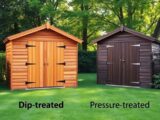
Homeowners typically encounter three main options. Pressure treatment offers the deepest penetration but is usually a professional service. Dip and spray treatments are more accessible but often require annual reapplication.
If re-coating, proper surface preparation is key. A clean, dry wood surface ensures the paint or preservative adheres correctly. This creates a powerful barrier against water ingress.
It is also vital to check the shed’s position. A building placed too close to a fence or wall cannot be treated or dried effectively, leading to persistent dampness.
Sealing Gaps and Reinforcing the Structure
Small gaps around windows and doors are major entry points for water and draughts. Using a quality roofing sealant on a dry day effectively blocks these vulnerabilities.
Finally, a thorough check of all fixings is recommended. Tightening loose screws and hinges ensures doors close securely. This simple step prevents heat loss and protects the contents of your garden storage space.
Insulating Your Storage for Winter Protection
A well-insulated shed creates a stable environment that protects valuable items from seasonal temperature fluctuations. This proactive measure significantly reduces condensation risks that lead to mould growth and rust formation.
Selecting the Right Insulation Materials
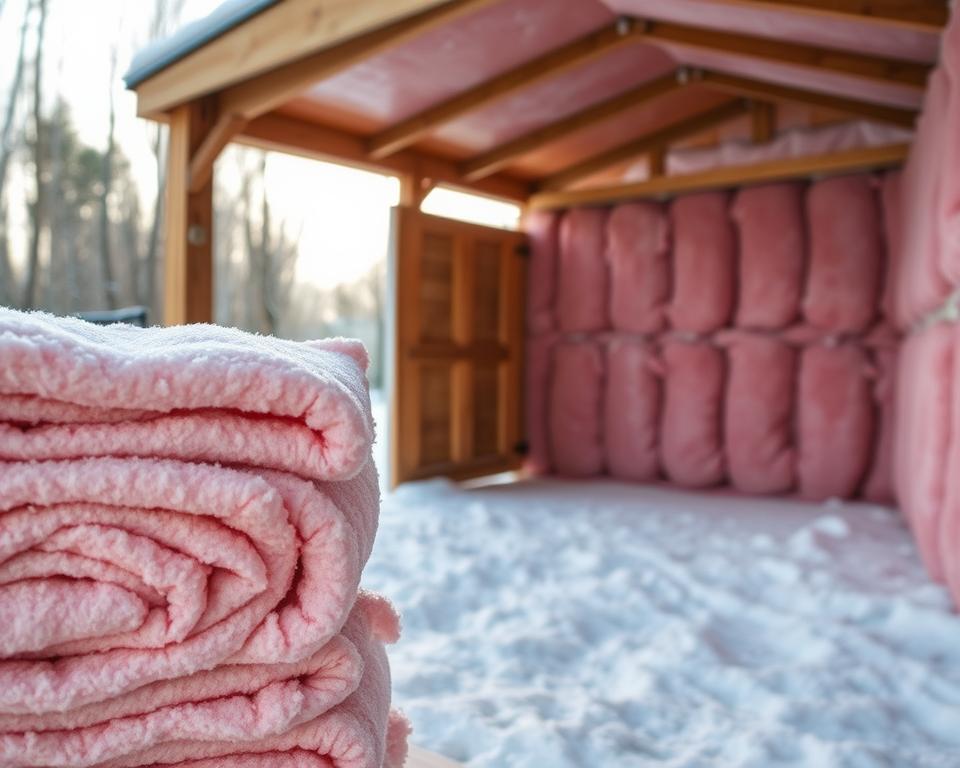
Homeowners have several effective options for insulating their storage space. Spray foam excels at sealing small cracks and eliminating draughts. It creates an airtight barrier against moisture infiltration.
Fibreglass insulation offers affordability and straightforward installation. It provides excellent thermal efficiency with additional soundproofing benefits. Foam board is another lightweight choice with decent thermal performance.
Benefits of Temperature and Damp Regulation
Proper insulation maintains consistent internal temperatures throughout winter months. This stability prevents condensation from forming on tools and equipment. The reduction in damp air circulation stops mould and mildew development.
While insulation creates effective barriers, some airflow remains necessary. This balance prevents trapped moisture while maintaining protection. During warmer periods, monitor the space to prevent heat buildup under furniture covers.
Effective insulation extends the lifespan of both the structure and its contents. It represents a smart investment for long-term storage protection during challenging weather conditions.
Cleaning and Organising Your Stored Items
Storing furniture without adequate cleaning invites significant seasonal damage. One of the most costly oversights is placing items into storage while they still carry dirt and grime. This negligence can lead to pest infestations and permanent finish damage that spring cleaning cannot reverse.

Thorough cleaning before winter storage is non-negotiable for protecting your valuable garden furniture. Failing to remove leaves, debris, and dirt creates ideal conditions for mould and pests.
Removing Leaves, Debris and Dusting the Surfaces
For wooden garden furniture, autumn provides the perfect window for comprehensive cleaning. Begin by brushing off all leaves and debris. Then use warm, soapy water with a hardwood scrubbing pad to eliminate ingrained dirt and moss.
Wicker furniture requires gentle care despite its durability. Brush away leaves and wash with warm soapy water using a soft cloth. Apply a wicker protector to repel water and dirt during the cold months.
“Proper cleaning before storage prevents more work in the spring. It’s an investment that pays dividends in furniture longevity.”
Mesh furniture with metal components needs special attention. Clean with mild solutions and rinse thoroughly to remove soap residue. Address any paint chips with gentle sanding and touch-ups before applying protective car wax.
Plastic furniture offers the simplest cleaning process. Use warm water with standard cleaning solution, avoiding abrasive materials that could damage surfaces. Pressure washing efficiently removes stubborn dirt.
| Furniture Type | Cleaning Method | Protection Required |
|---|---|---|
| Wooden | Hardwood scrubbing | Furniture oil or hardwood shield |
| Wicker | Gentle cloth washing | Wicker protector |
| Mesh/Metal | Mild cleaner | Car wax coating |
| Plastic | Standard solution | Non-abrasive cleaning |
Complete drying is essential before placing items in the shed. Any residual moisture trapped during storage will cause mould and material degradation. Stack chairs efficiently to maximise space while preventing scratches.
Organisation within the storage space matters greatly. Use protective covers that allow air circulation and arrange items to avoid contact damage. This systematic approach ensures everything emerges from winter in excellent condition.
How to Prepare Your Outdoor Storage Units For Winter
Implementing a few key strategies can dramatically reduce the risk of winter-related deterioration in your garden shed and its contents. This expert advice focuses on the two most common threats: moisture infiltration and metal corrosion.

For effective water damage prevention, always place furniture and other items on flat, solid surfaces. This simple step minimises moisture exposure from the ground. Elevating items off the floor using slabs or bricks provides an extra barrier against damp rising from concrete or soil.
Using protective covers is essential, even for items stored inside the shed. Covers shield surfaces from dust and accidental moisture. Make sure covers fit well, allowing some air circulation to prevent condensation.
To combat rust on metal components, thorough drying after cleaning is non-negotiable. Address any paint chips immediately by sanding and applying touch-up paint. A protective coating, such as a quality car wax, creates a durable barrier against the elements.
Strategic organisation also plays a vital role. Stacking chairs and stackable items saves space and adds stability, preventing them from toppling in strong winds.
| Prevention Focus | Key Action | Expert Tip |
|---|---|---|
| Water Damage | Elevate Items | Use bricks or pallets to keep furniture legs dry. |
| Water Damage | Check Drainage | Ensure area around the shed slopes away to divert water. |
| Rust Prevention | Inspect Metal | Look for scratches and treat before storage. |
| Rust Prevention | Apply Coating | Use car wax on metal legs for long-lasting protection. |
Combining these expert tips creates a comprehensive defence system. This guide ensures your belongings remain safe and secure throughout the coldest months.
Maintaining Your Storage Throughout the Winter
Effective winter protection is an ongoing process, not a single autumn task. Regular checks during the colder months are vital to ensure safeguards remain in place and any emerging issues are addressed promptly.

Homeowners should schedule brief inspections every few weeks. They need to look for snow accumulation, ensure covers are still secure, and check for signs of moisture or pest activity. Clearing debris from gutters and drainage areas prevents blockages.
Performing Routine Maintenance Checks
Utilise milder days, or maintenance windows, for these inspections. This advice allows for safe assessment without exposing the shed and its contents to harsh weather.
During these checks, brush off snow before its weight causes damage. Verify that protective covers fit snugly and have not loosened. Look inside for any leaks or condensation.
Long-Term Protection and Quick Repairs
Address minor problems immediately. Re-secure a loose cover, clear a blocked drain, or apply sealant to a new crack. These quick actions prevent small issues from becoming major repairs.
It is also crucial to know when to remove protections. As winter ends and temperatures rise, air can become trapped under furniture covers. This heat damages cushion fabric. Remove covers during warmer spells to prevent this post-winter damage.
This proactive guide ensures the storage space and its contents emerge from the winter months in excellent condition.
FAQ
What is the most critical step in preparing a wooden shed for winter?
The most critical step is applying a protective wood treatment or paint. This creates a barrier against moisture, which is the primary cause of rot and mould during the colder months. A thorough inspection for any existing damage should precede this treatment.
How can I prevent rust on metal garden furniture stored over winter?
To prevent rust, ensure all metal surfaces are clean, dry, and free of dirt. Applying a thin coat of a specialist protective oil or a rust-inhibiting spray provides excellent protection. Storing items off the ground on pallets also helps reduce moisture contact.
Why is it important to clear leaves and debris from around the storage unit?
Accumulated leaves and debris trap moisture against the structure’s base and walls. This sustained dampness can lead to wood rot and create a damp environment inside. Keeping the area clear allows for better air circulation and helps keep the unit dry.
Should I insulate my garden shed for winter storage?
Insulation is highly beneficial, especially for units storing sensitive items. It helps regulate the internal temperature, reducing condensation and the risk of damp. This extra layer of protection can prevent damage to tools and furniture from extreme cold and moisture.
How often should I check on my storage unit during the winter?
It is advisable to perform a quick visual check at least once a month. After heavy rain, snow, or strong winds, a more thorough inspection is wise. This proactive approach allows for the early detection of issues like water leaks or structural damage, enabling quick repairs.
What is the best way to seal gaps in a shed door or window?
For small gaps, using a flexible exterior-grade sealant is effective. For larger gaps around doors, self-adhesive rubber draught excluder strips provide a good seal against drafts and moisture. This simple maintenance task significantly improves weatherproofing.