Create a Thriving Permaculture Garden: Your Guide
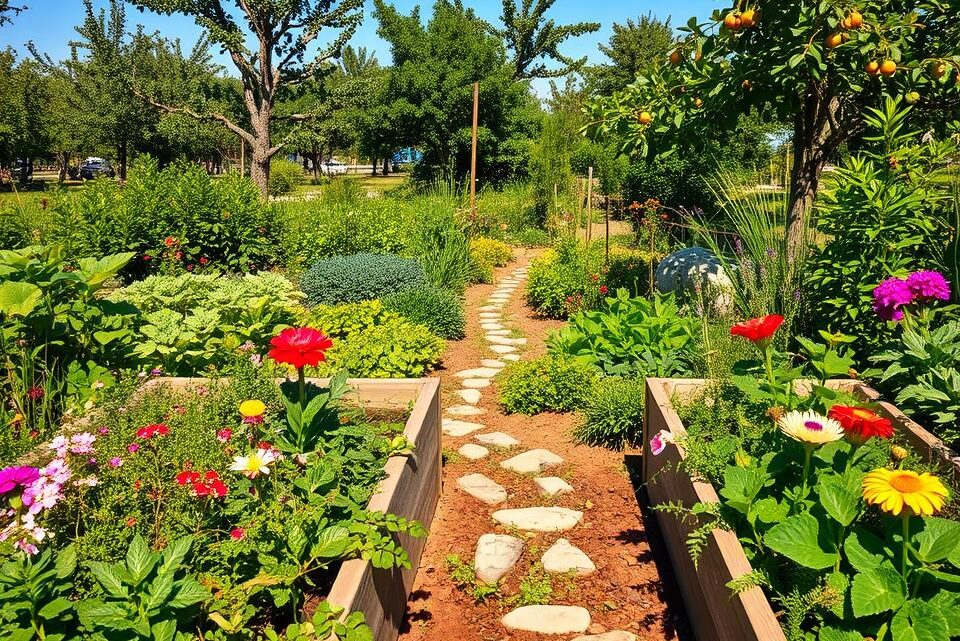
Embracing sustainable gardening practices is not just a trend; it’s a vital step towards a more eco-friendly future. As you consider transforming your outdoor space into a thriving ecosystem, understanding the principles of permaculture is essential.
A permaculture garden is designed to work with nature, not against it, minimising waste and maximising biodiversity. By adopting eco-friendly gardening methods, you not only contribute to a healthier environment but also enjoy a more resilient and productive garden.
Inhaltsverzeichnis
Key Takeaways
- Understand the core principles of permaculture for sustainable living.
- Learn how to design a garden that thrives in harmony with nature.
- Discover eco-friendly practices to minimise your garden’s environmental impact.
- Enhance biodiversity and reduce waste in your gardening practices.
- Enjoy a more resilient and productive garden through permaculture design.
Understanding Permaculture Principles
Understanding the principles of permaculture is crucial for designing a garden that is not only productive but also sustainable and resilient. Permaculture is a holistic design system that aims to work with nature, not against it, to create thriving ecosystems.
The Three Ethics of Permaculture
The three ethics of permaculture – Earth Care, People Care, and Fair Share – form the foundation of this sustainable gardening practice. These ethics ensure that your garden is designed to care for the environment, benefit the people involved, and distribute resources fairly.
Earth Care, People Care, and Fair Share
Earth Care involves designing your garden to minimize waste and pollution, and to promote biodiversity. People Care ensures that your garden benefits not just the environment, but also the people who tend to it. Fair Share encourages the sharing of resources, knowledge, and surplus produce, promoting a sense of community.
Core Permaculture Design Principles
Core permaculture design principles guide the creation of a sustainable and thriving garden ecosystem. These principles include working with nature, obtaining a yield, and applying self-regulation.
Working with Nature, Not Against It
Working with nature involves understanding and mimicking natural ecosystems in your garden design. This approach reduces the need for external inputs and minimizes waste.
Obtaining a Yield and Applying Self-Regulation
Obtaining a yield ensures that your garden is productive and provides a return on your investment. Applying self-regulation involves observing and responding to the needs of your garden, making adjustments as necessary to maintain balance and diversity.
- Observe and interact with your garden regularly
- Design your garden to catch and store energy
- Use and value renewable resources and services
Benefits of Permaculture Gardening
As you embark on your permaculture gardening journey, you’ll discover its multiple benefits for the environment, your wallet, and the community. Permaculture gardening is a holistic approach that enhances biodiversity, improves soil health, and efficiently uses resources.
Environmental Advantages
Permaculture gardening promotes eco-friendly practices that have a positive impact on the environment. By adopting permaculture principles, you can enhance biodiversity and contribute to carbon sequestration.
Biodiversity Enhancement and Carbon Sequestration
By creating a diverse ecosystem in your garden, you can support a wide range of plant and animal species. This biodiversity helps in maintaining ecological balance and can contribute to carbon sequestration, mitigating climate change.

Economic Benefits
Permaculture gardening can also offer significant economic benefits. By growing your own food and reducing waste, you can save money and potentially generate income through the sale of surplus produce.
Reduced Costs and Potential Income Streams
By adopting permaculture practices, you can reduce your reliance on external inputs, thereby lowering costs. Additionally, you can create potential income streams by selling surplus produce or value-added products.
Social and Community Impact
Permaculture gardening has a profound impact on social and community dynamics. It fosters community engagement and promotes the sharing of knowledge and resources.
Building Resilience and Sharing Knowledge
By participating in permaculture gardening, you can build resilience within your community and contribute to a culture of sharing and cooperation. This collective approach to gardening can lead to a more sustainable and connected community.
Assessing Your Space and Resources
To create an effective permaculture garden, you need to understand the unique characteristics of your space. This involves assessing the land, climate, and resources available to you. By doing so, you’ll be able to design a garden that works in harmony with its environment, maximizing productivity while minimizing waste.

Evaluating Soil Quality and Composition
Soil is the foundation of your permaculture garden. Evaluating its quality and composition is crucial for determining its fertility and potential for supporting plant life. Simple soil tests can provide valuable insights into your soil’s characteristics.
Simple Soil Tests for Home Gardeners
Conducting simple soil tests can help you understand your soil’s texture, pH level, and nutrient content. For example, a jar test can help determine soil texture by mixing soil with water in a jar, letting it settle, and then observing the layers. You can also use a pH test kit to determine your soil’s acidity or alkalinity. These tests will guide you in selecting the right plants and amendments for your soil.
Understanding Your Climate and Microclimate
Climate plays a significant role in shaping your permaculture garden. Understanding both the broader climate and your garden’s specific microclimate is essential for making informed decisions about plant selection and garden design.
British Climate Zones and Local Variations
The UK spans several climate zones, with variations due to factors like latitude, altitude, and proximity to the coast. Familiarizing yourself with your local climate zone and understanding microclimates within your garden can help you choose plants that are well-suited to your conditions. For instance, areas near a body of water or a south-facing wall can create warmer microclimates.
Taking Stock of Available Resources
Assessing the resources available to you is a critical step in designing your permaculture garden. This includes not only the physical attributes of your land but also the materials and tools at your disposal.
Identifying Existing Assets and Constraints
Make a list of the resources you have available, such as existing plants, water sources, and building materials. Also, identify any constraints, such as shade, wind patterns, or slopes. Understanding these factors will help you design a more efficient and productive garden. Consider how you can repurpose or reuse existing elements to minimize waste and reduce the need for external inputs.
How to Create a Permaculture Garden: Step-by-Step Process
To establish a thriving permaculture garden, you’ll need to follow a structured design process that aligns with permaculture principles. This involves several key steps that help you create a sustainable and productive garden ecosystem.
Setting Clear Goals and Objectives
Before you start designing your permaculture garden, it’s essential to define your goals and objectives. This step helps you clarify what you want to achieve with your garden, whether it’s growing your own food, creating a wildlife habitat, or simply enjoying a peaceful outdoor space.
Defining Your Permaculture Vision
Take some time to reflect on your vision for your permaculture garden. Consider what you want to grow, how you want to use the space, and what kind of ecosystem you want to create. This vision will guide your design decisions throughout the process.
Mapping Your Space
Once you have a clear idea of your goals, it’s time to map your garden space. This involves creating a detailed map of your property, including existing features such as trees, slopes, and water flows.
Creating Base Maps and Overlay Analysis
Start by creating a base map that shows the overall layout of your property. Then, use overlay analysis to identify different zones and sectors within your garden. This will help you understand how to optimize the use of your space.
Creating Zones and Sectors
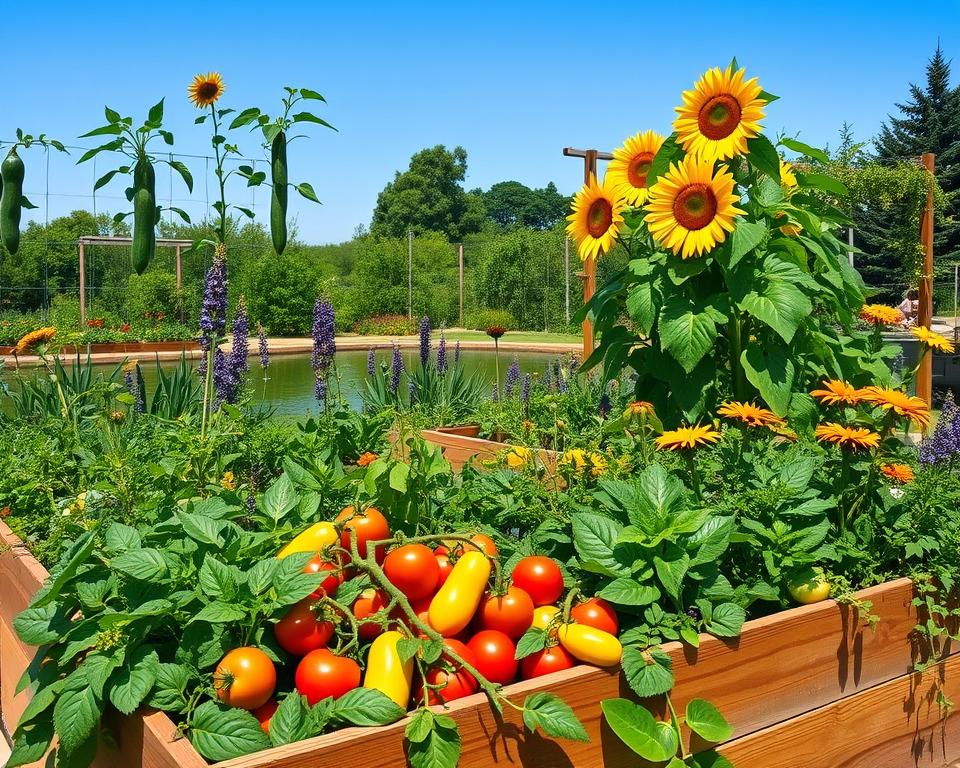
Zones and sectors are fundamental concepts in permaculture design. Zones refer to the different areas of your garden based on their proximity to your home and the frequency of use, while sectors refer to the external factors that affect your garden, such as sunlight and wind.
Optimising Energy Flow in Your Garden
By carefully designing your zones and sectors, you can optimize the flow of energy within your garden. This might involve placing frequently used elements, like vegetable gardens, close to your home, while less frequently used areas, like woodlots, are further away.
Designing Your Permaculture Garden Layout
To create a permaculture garden that is both productive and resilient, careful planning of the layout is essential. A well-designed layout not only maximises space but also enhances biodiversity and reduces the need for external inputs.
Implementing Permaculture Zones
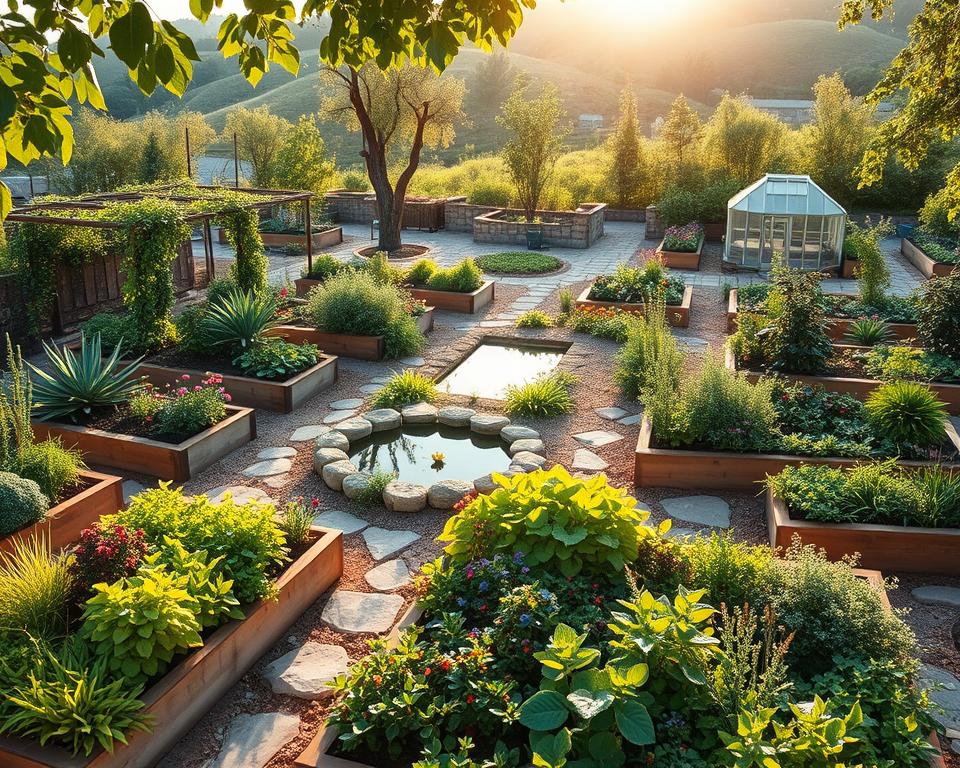
Permaculture zones are a fundamental concept in designing an efficient garden layout. By dividing your garden into zones based on frequency of use and plant requirements, you can optimise your gardening efforts.
From Zone 0 to Zone 5: Practical Applications
Zone 0 is your home, the centre of your permaculture system. Zones 1 and 2 are where you’ll place your most intensive gardening activities, such as vegetable gardens and herb spirals. Zones 3, 4, and 5 are for less intensive uses like orchards, woodland, and wildlife areas.
Key considerations for implementing permaculture zones include:
- Assessing your needs and goals
- Evaluating your garden’s microclimates
- Placing plants and features according to their needs and your usage
Planning for Water Management
Effective water management is crucial in permaculture gardening. This involves strategies to conserve, harvest, and efficiently use water.
Addressing British Rainfall Patterns
In the UK, rainfall can be unpredictable. Designing your garden to capture and store rainwater is vital. Techniques include creating swales, using rain barrels, and implementing drip irrigation systems.
Incorporating Energy-Efficient Elements
Energy efficiency in permaculture design means minimising the energy required to maintain your garden. This can be achieved through thoughtful placement of plants, using perennial species, and incorporating passive solar design.
Passive Solar Design in the Garden
Passive solar design involves positioning elements in your garden to maximise the benefits of sunlight and minimise the need for artificial heating or cooling. For example, deciduous trees can provide shade in summer and allow sunlight through in winter.
By carefully designing your permaculture garden layout, you can create a sustainable, productive, and beautiful garden that works with nature, not against it.
Essential Components of a Permaculture Garden
To create a sustainable and productive permaculture garden, you’ll need to incorporate a variety of essential components. These elements work together to create a resilient and thriving ecosystem that requires minimal external inputs.
Diverse Plant Selection
A diverse range of plants is the backbone of any permaculture garden. This diversity helps to create a balanced ecosystem that is more resilient to pests and diseases. When selecting plants, consider their multiple functions, such as food production, nitrogen fixation, or habitat creation for beneficial insects.
Polycultures vs. Monocultures
Unlike monocultures, which can be vulnerable to pests and diseases, polycultures promote biodiversity and ecological balance. By growing multiple crops together, you can increase yields, reduce pest pressure, and create a more resilient garden ecosystem. For example, planting marigolds with tomatoes can help deter nematodes.
Companion Planting Strategies
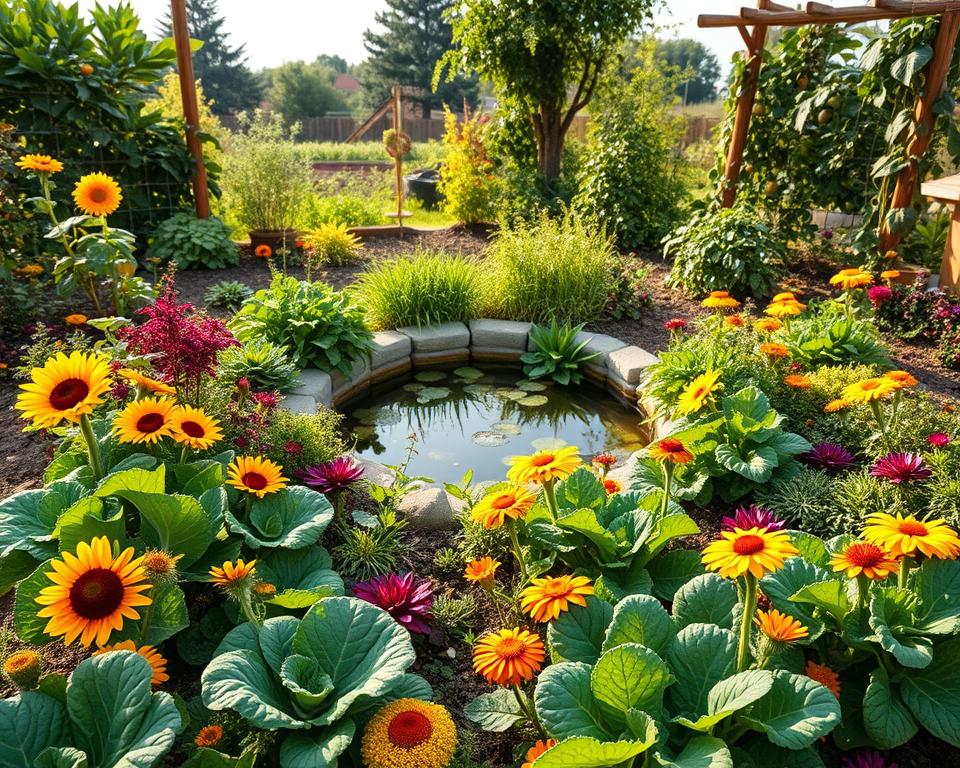
Companion planting is a key strategy in permaculture gardening. By pairing plants that benefit from each other, you can enhance growth, reduce pests, and improve soil health. Companion planting can also help to create a more diverse and resilient garden ecosystem.
Beneficial Plant Combinations for UK Gardens
In UK gardens, beneficial combinations include planting comfrey with vegetables to act as a fertilizer plant, or growing nasturtiums with cabbage to deter aphids and whiteflies. These combinations not only improve plant health but also add visual interest to your garden.
Integrating Animals into Your System
Animals play a vital role in permaculture systems, contributing to soil fertility, pest control, and ecosystem diversity. Integrating animals such as chickens, bees, or beneficial insects can enhance the overall health and productivity of your garden.
From Chickens to Beneficial Insects
Chickens, for example, can provide manure for compost, control pests, and even assist in soil turnover. Beneficial insects like bees and butterflies are crucial for pollination, while others, such as ladybugs and lacewings, help control garden pests. By incorporating a variety of animals into your permaculture garden, you can create a more balanced and sustainable ecosystem.
Building Healthy Soil for Your Permaculture Garden
To establish a successful permaculture garden, focus on developing rich, fertile soil. Healthy soil is teeming with life and provides your plants with the necessary nutrients to thrive.
Composting Techniques
Composting is a vital process for turning waste into a valuable resource for your garden. There are several methods to choose from, including:
- Hot composting, which involves actively managing the compost pile to achieve high temperatures.
- Cold composting, a slower process that requires less maintenance.
- Worm farms, which use worms to break down organic matter into a nutrient-rich compost.
Hot Composting, Cold Composting, and Worm Farms
Each composting method has its advantages. Hot composting is fast and effective, killing off pathogens and weed seeds. Cold composting is easier to manage but takes longer. Worm farms are ideal for indoor composting and produce a high-quality compost.
Sheet Mulching and No-Dig Methods
Sheet mulching and no-dig methods are excellent for building soil health without tilling. These techniques involve layering organic materials on top of the soil, allowing them to break down over time.
Building Soil from the Top Down
This approach mimics nature by creating a soil environment that is rich in organic matter. It’s a low-maintenance way to improve soil structure and fertility.
Using Cover Crops and Green Manures
Cover crops and green manures are plants grown to protect and enhance the soil. They help suppress weeds, improve soil structure, and add nutrients.
Best Options for British Growing Conditions
In the UK, popular cover crops include clover, rye, and phacelia. These plants are well-suited to the local climate and can be incorporated into your garden rotation to improve soil health.

Water Management Systems in Permaculture
In permaculture, managing water efficiently is key to creating a sustainable ecosystem. Effective water management ensures that your garden or farm is resilient to droughts and floods, making the most of this precious resource.
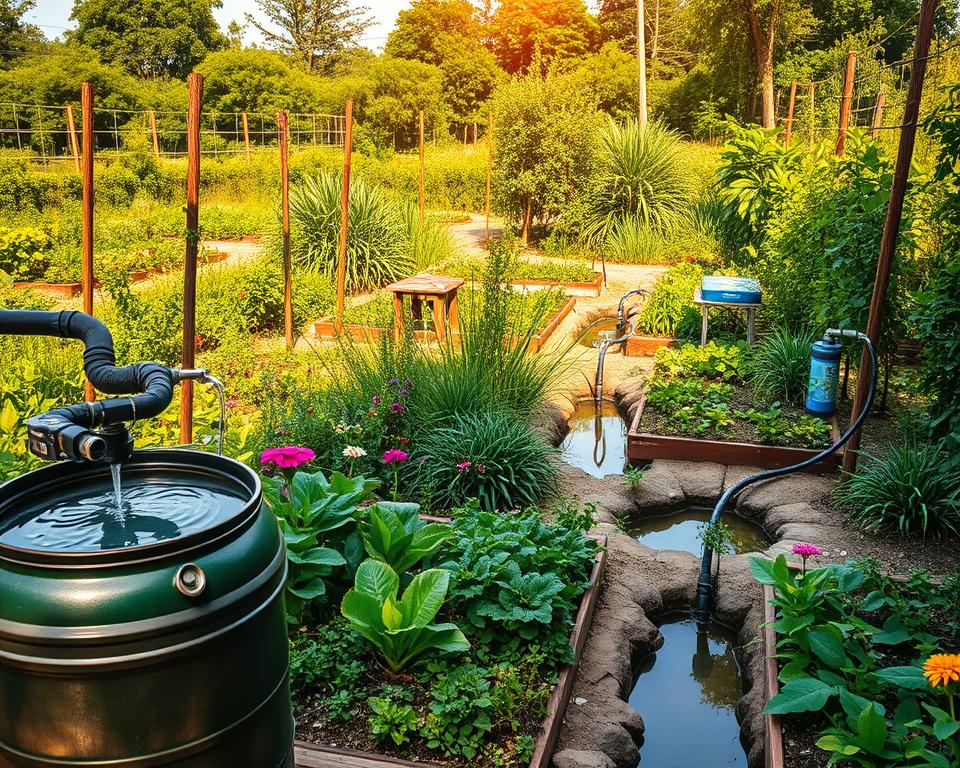
Rainwater Harvesting Techniques
Rainwater harvesting is a fundamental aspect of permaculture water management. By collecting and storing rainwater, you can reduce your reliance on mains water and create a more self-sufficient system.
Storage Solutions and Distribution Methods
Storage tanks or ponds are used to hold the harvested rainwater. Distribution methods can include gravity-fed systems or pumps, depending on the layout of your garden.
Creating Swales and Berms
Swales and berms are earthworks that help to capture and retain rainwater, reducing runoff and allowing water to infiltrate the soil.
Earthworks for Water Retention
By creating swales and berms, you can significantly enhance water retention on your property, reducing the need for external water sources.
Greywater Systems for Gardens
Greywater systems reuse water from sinks, showers, and washing machines for irrigation, further reducing water waste.
Safe and Legal Implementation in the UK
In the UK, it’s essential to follow guidelines for greywater system installation to ensure safety and compliance with regulations. This includes proper treatment and distribution of greywater to avoid health risks.
Implementing these water management strategies can significantly enhance the sustainability of your permaculture garden. By harvesting rainwater, creating swales, and reusing greywater, you can create a resilient and thriving ecosystem.
Plant Selection and Guilds for British Gardens
Creating a sustainable permaculture garden in the UK requires careful consideration of plant selection and guilds. The right plants can enhance biodiversity, improve soil health, and increase the overall resilience of your garden ecosystem.
Native Plants for UK Permaculture Gardens
Using native plants in your permaculture garden is beneficial because they are adapted to the local climate and soil conditions. This reduces the need for external inputs such as fertilizers and pesticides.
Adapting to Local Ecosystems
Native plants like Primula vulgaris (Primrose) and Digitalis purpurea (Foxglove) not only thrive in UK conditions but also support local wildlife. Incorporating these plants into your garden helps maintain ecological balance.

Creating Effective Plant Guilds
Plant guilds are groups of plants that work together to create a more diverse and resilient garden ecosystem. By selecting plants that complement each other, you can enhance growth and reduce pests and diseases.
Stacking Functions and Maximising Relationships
For example, planting marigolds with tomatoes can deter nematodes, while basil can improve the flavor of nearby tomatoes. This strategic planting is a key aspect of permaculture design.
- Comfrey acts as a fertilizer plant, adding nutrients to the soil.
- Nasturtiums repel aphids and other pests.
- Beans fix nitrogen in the soil, benefiting other plants.
Edible Perennials for Sustainable Harvests
Incorporating edible perennials into your permaculture garden provides a sustainable source of food with minimal maintenance. These plants come back year after year, reducing the need for annual replanting.
Low-Maintenance Food Production
Examples of edible perennials include Rheum rhabarbarum (Rhubarb) and Asparagus officinalis (Asparagus). These plants are not only productive but also contribute to the structural diversity of your garden.
By carefully selecting and combining plants, you can create a thriving permaculture garden that is both productive and sustainable.
Implementing No-Waste Systems
A key aspect of permaculture is creating a no-waste system that benefits your garden. By adopting strategies that minimize waste, you can create a more sustainable and productive permaculture garden.
Closed-Loop Nutrient Cycling
Closed-loop nutrient cycling involves recycling nutrients within your garden, reducing the need for external inputs. This can be achieved by composting organic waste and using it to nourish your plants.
From Kitchen to Garden and Back Again
You can start by composting kitchen scraps and using the resulting compost to fertilize your garden. This creates a closed loop where waste becomes a valuable resource.
Reducing External Inputs
Reducing external inputs is crucial for creating a self-sustaining permaculture garden. By minimizing the need for external resources, you can reduce your garden’s environmental impact.
Self-Sufficiency Strategies
To achieve self-sufficiency, focus on growing a diverse range of crops, using natural pest control methods, and conserving water. This will help you create a resilient garden that requires fewer external inputs.
Repurposing and Upcycling in the Garden
Repurposing and upcycling materials is an effective way to reduce waste in your permaculture garden. You can breathe new life into old materials by finding creative uses for them.
Creative Solutions for Common Materials
Consider repurposing old pallets as garden planters or using plastic bottles as self-watering planters. You can also upcycle old fencing materials to create unique garden features.

Seasonal Maintenance of Your Permaculture Garden
To keep your permaculture garden flourishing, it’s essential to understand and implement seasonal maintenance tasks. This involves a range of activities tailored to the specific needs of your garden throughout the year.
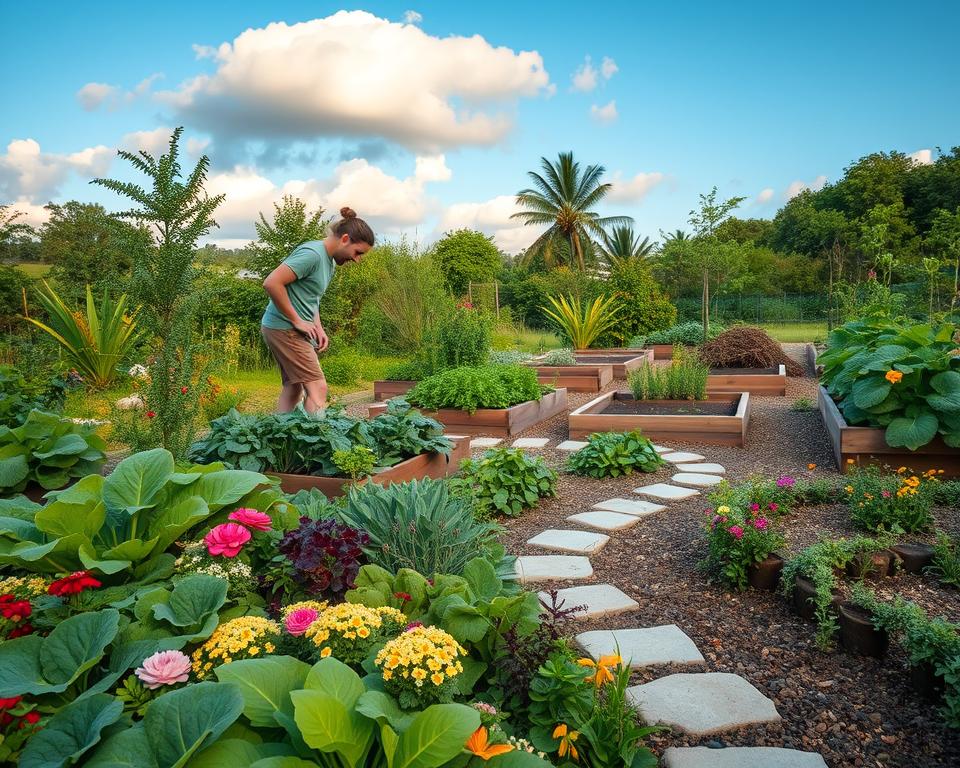
Spring Tasks and Activities
Spring is a critical time for preparing your permaculture garden for the growing season. Key tasks include cleaning up debris, pruning plants, and preparing the soil for new crops.
Planting and Preparation Priorities
Focus on planting early crops and preparing the soil with compost or manure. It’s also a good time to divide and replant perennials and start seedlings indoors.
Summer Management Strategies
During the summer, your permaculture garden will require regular maintenance to ensure it remains productive. This includes watering, weeding, and harvesting crops.
Harvesting and Water Conservation
Regular harvesting encourages plants to produce more. Implement water conservation techniques such as mulching and using drip irrigation to minimize water waste.
Autumn and Winter Preparations
As autumn progresses, start preparing your garden for the winter months. This involves clearing away dead plants, adding organic matter to the soil, and protecting sensitive plants from frost.
Protecting and Nurturing Your Garden Through Cold Months
Use techniques like mulching and covering to protect your soil and plants. Consider planting winter crops and planning for next year’s garden during this time.
Troubleshooting Common Permaculture Garden Issues
As you tend to your permaculture garden, you may encounter various challenges that require thoughtful solutions. Effective troubleshooting is key to maintaining a thriving and sustainable garden ecosystem.
Dealing with Pests Naturally
Managing pests without resorting to chemical pesticides is crucial in permaculture gardening. Ecological pest management approaches focus on creating a balanced ecosystem where pests are controlled by natural means.
Ecological Pest Management Approaches
Some effective strategies include introducing beneficial insects, using physical barriers, and practicing companion planting. For example, planting marigolds alongside tomatoes can help deter nematodes.

Addressing Soil Fertility Problems
Soil fertility is the backbone of a productive permaculture garden. Issues such as nutrient deficiencies can significantly impact plant health.
Recognising and Correcting Deficiencies
Regular soil testing can help identify deficiencies. Once identified, deficiencies can be corrected through the use of organic amendments like compost or manure, and by incorporating cover crops into your rotation.
Adapting to Climate Challenges
Climate change presents a significant challenge to permaculture gardeners, with increasingly unpredictable weather patterns.
Resilience Strategies for Changing Weather Patterns
Building resilience involves diversifying your plantings, using mulching to retain soil moisture, and implementing water harvesting techniques to make the most of available rainfall.
Harvesting and Preserving Your Garden Bounty
The joy of harvesting your permaculture garden is a culmination of careful planning and nurturing. As you gather the fruits of your labor, it’s essential to do so in a way that maintains the health and productivity of your garden.
Sustainable Harvesting Practices
Sustainable harvesting involves techniques that minimize damage to the plants and the ecosystem. This includes harvesting at the right time and using appropriate methods to avoid waste.
Timing and Techniques for Maximum Yield
Understanding when and how to harvest is crucial. For instance, leafy greens are best picked in the morning, while fruits like tomatoes should be harvested when fully ripe. Using sharp tools and handling plants gently can reduce damage.
Here are some general tips for sustainable harvesting:
- Harvest regularly to encourage continuous production.
- Use scissors or pruning shears for delicate plants.
- Avoid pulling plants out by the roots unless necessary.
Food Preservation Techniques
Preserving your harvest allows you to enjoy your garden’s bounty throughout the year. Various techniques can be employed, from traditional methods like pickling and jam-making to modern approaches such as freezing and dehydrating.
Traditional British Methods for Storing Produce
Traditional British methods include root cellars for storing root vegetables, drying herbs, and making preserves. These techniques have been passed down through generations and are effective for maintaining the quality of your harvest.
| Preservation Method | Description | Best For |
|---|---|---|
| Root Cellar | Cool, dark place for storing root vegetables | Carrots, potatoes, beets |
| Drying | Removing moisture to preserve herbs and fruits | Herbs, apples, tomatoes |
| Preserving | Making jams, pickles, and chutneys | Fruits, vegetables, cucumbers |
Seed Saving for Future Seasons
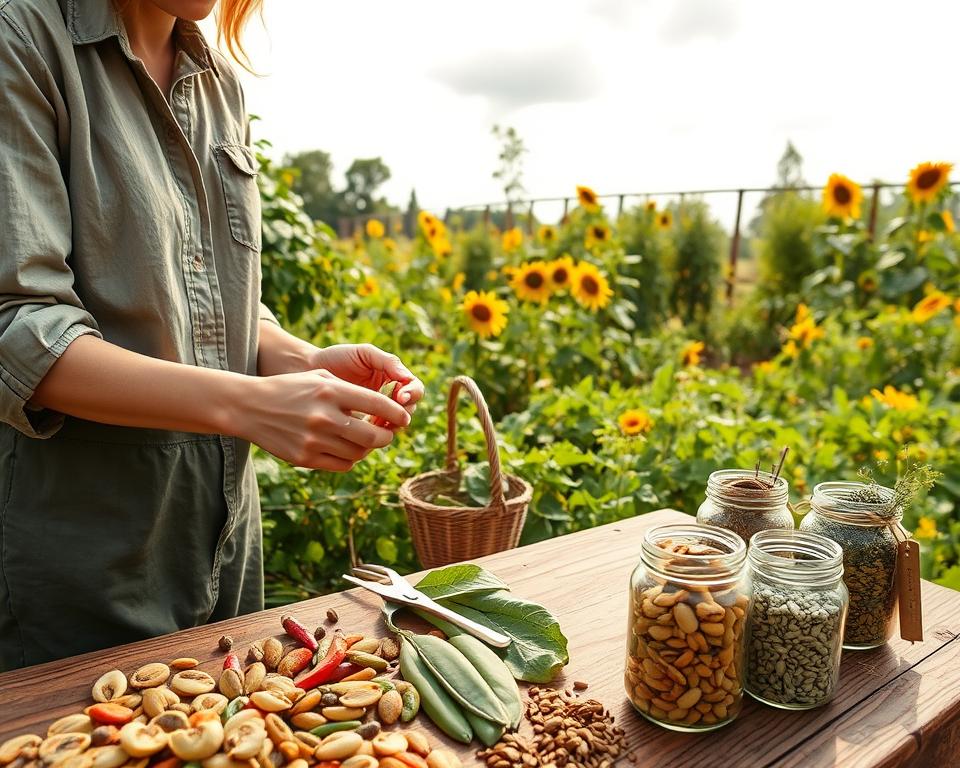
Seed saving is a vital practice in permaculture, allowing you to propagate plants year after year and maintain biodiversity. It involves selecting and storing seeds from your healthiest plants.
Building Your Own Seed Bank
To build a seed bank, start by selecting seeds from your most vigorous and healthy plants. Clean and dry the seeds thoroughly before storing them in a cool, dry place. Labeling and record-keeping are crucial for keeping track of your seed varieties.
By following these practices, you can enjoy a continuous cycle of growth and harvest in your permaculture garden, ensuring a sustainable and productive gardening experience.
Conclusion: Your Journey to a Thriving Permaculture Paradise
As you embark on your sustainable gardening journey, the principles and practices outlined in this guide will help you create a thriving permaculture paradise. By understanding and applying permaculture ethics and design principles, you can transform your garden into a diverse, resilient, and productive ecosystem.
Your permaculture garden will not only provide you with a bounty of fresh produce but also contribute to a healthier environment and a more sustainable future. As you continue on your path, remember to observe, adapt, and evolve your garden design to meet the changing needs of your ecosystem.
By embracing the permaculture approach, you are joining a community of like-minded individuals who are working towards a common goal of creating a more sustainable and regenerative world. Your journey to a permaculture paradise is a journey worth taking, and the rewards will be well worth the effort.
Start your sustainable gardening journey today, and watch your garden flourish into a vibrant and thriving permaculture paradise.
FAQ
What is permaculture and how does it differ from traditional gardening methods?
Permaculture is a holistic design system that aims to create sustainable and self-sufficient ecosystems. It differs from traditional gardening by focusing on working with nature, minimising waste, and promoting biodiversity.
How do I assess the soil quality in my garden?
You can assess your soil quality by conducting simple tests, such as observing its texture, structure, and colour, as well as performing a soil pH test. You can also check for signs of soil life, like earthworms, to determine its overall health.
What are the benefits of using companion planting in my permaculture garden?
Companion planting can enhance biodiversity, improve soil health, and increase crop yields. It involves pairing plants that complement each other, such as planting marigolds with tomatoes to deter nematodes.
How can I manage water effectively in my permaculture garden?
Effective water management involves techniques like rainwater harvesting, creating swales and berms, and implementing greywater systems. These methods help to conserve water, reduce waste, and promote efficient use.
What are some common pests and diseases in permaculture gardens, and how can I manage them naturally?
Common pests and diseases can be managed using ecological approaches, such as introducing beneficial insects, practising good hygiene, and using natural barriers. You can also use organic pest control methods, like neem oil and garlic spray.
How do I create a thriving ecosystem in my permaculture garden?
To create a thriving ecosystem, focus on building healthy soil, promoting biodiversity, and minimising waste. You can achieve this by using techniques like composting, mulching, and companion planting, as well as incorporating a variety of plants and animals.
What are the benefits of using native plants in my permaculture garden?
Native plants are well-suited to the local climate and soil conditions, requiring less maintenance and care. They also provide a source of food and shelter for native wildlife, promoting biodiversity and ecosystem health.
How can I preserve my harvest and enjoy it throughout the year?
You can preserve your harvest using traditional methods like canning, freezing, and dehydrating. You can also use techniques like root cellaring and cold storage to keep your produce fresh for longer.
What are some common mistakes to avoid when designing a permaculture garden?
Common mistakes to avoid include not assessing your site properly, not considering the local climate and microclimate, and not designing for long-term sustainability. You should also avoid over-tilling the soil and using too many external inputs.
How can I continue to learn and improve my permaculture gardening skills?
You can continue to learn and improve your skills by reading books and online resources, attending workshops and courses, and joining local permaculture groups. You can also experiment and observe your garden, learning from your successes and failures.