Things to Consider When Positioning Your Shed
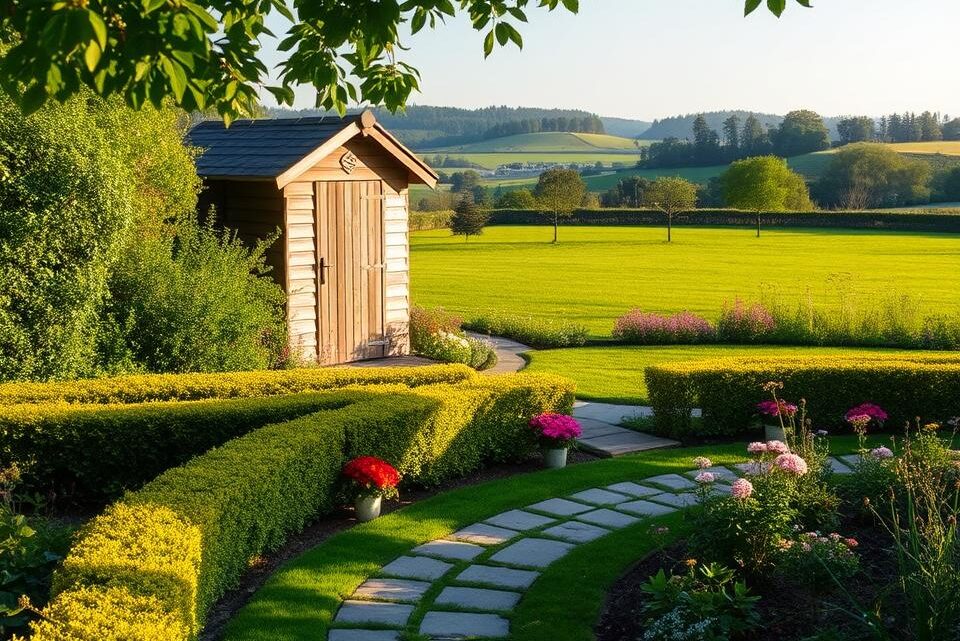
Placing a new shed in your garden is a significant choice. It is not just about finding an empty space. The location you select has a major impact on how useful and convenient your shed will be. It also affects the overall look and feel of your outdoor area.
Rushing this decision can lead to problems later. A poorly placed shed can become a source of frustration rather than a helpful asset. It is wise to spend some time planning before you buy or build.
This guide will walk you through the essential factors. You will learn about practical access, legal rules, and security. We will also cover how to make sure your new structure complements your garden’s design.
Inhaltsverzeichnis
Key Takeaways
- Selecting the right location is crucial for both function and garden aesthetics.
- Proper planning before installation prevents future inconvenience.
- Evaluate your garden’s layout and your specific storage needs carefully.
- Consider practical aspects like ease of access and potential ground conditions.
- Be aware of any legal permissions required for your chosen spot.
- Think about security and how the shed will integrate with existing features.
Choosing the Ideal Location in Your Garden
Determining where to position your shed involves assessing multiple environmental factors. The right spot ensures both functionality and longevity for your garden structure. Careful planning at this stage prevents future complications.
Assessing Your Garden Space and Layout
Begin by measuring your available garden area thoroughly. Ensure there’s sufficient space for the shed’s footprint plus clearance around all sides. This allows for maintenance access and proper air circulation.
Select level ground free from rocks and roots. These obstructions can compromise foundation stability. Avoid positions too close to trees where falling branches or leaves could cause damage.
Evaluating Sunlight, Weather Exposure and Drainage
Consider how different locations experience sun exposure throughout the day. Shaded areas offer cooler working conditions in summer but may limit natural lighting.
Protect your shed from harsh weather elements by avoiding exposed positions. Install guttering to direct rainwater away from the structure’s base. Steer clear of areas where water tends to pool, as standing water can lead to rotting timber.
Balancing these environmental factors ensures your chosen location provides optimal conditions year-round. Strategic placement combined with protective features creates a durable and functional garden shed.
Things to Consider When Positioning Your Shed
The scale of your chosen garden building should harmonise with the proportions of your outdoor space to ensure both functionality and visual appeal. An oversized structure can dominate a small garden, creating access challenges and compromising the overall aesthetic.
Matching Shed Size to Your Garden Proportions
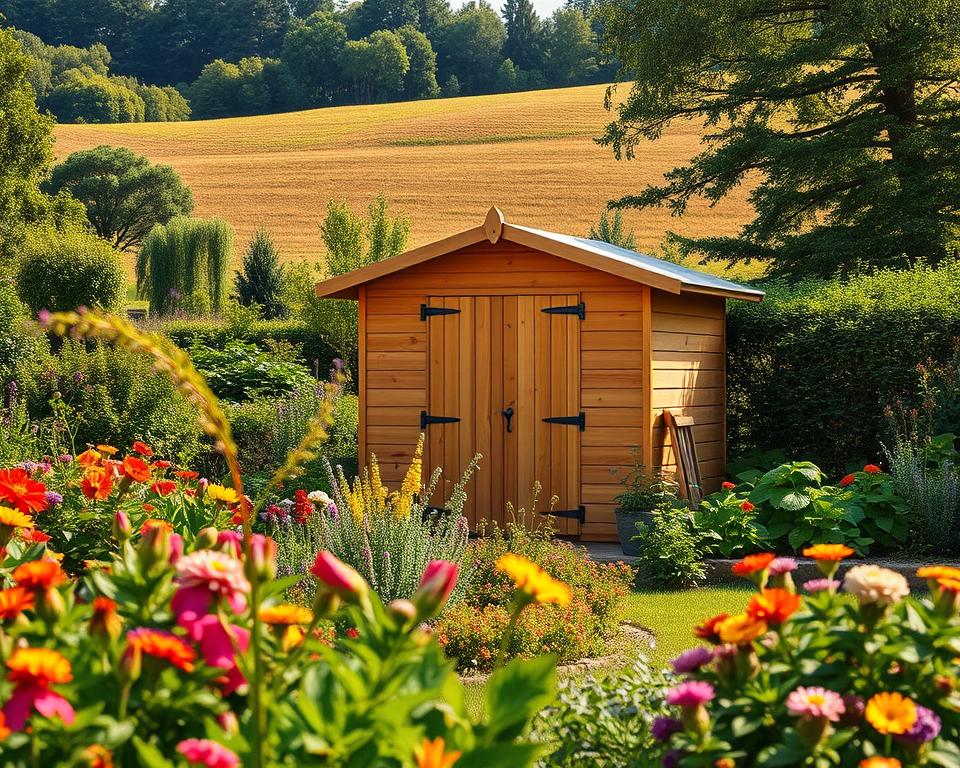
Selecting the right dimensions involves more than just the shed’s footprint. Property owners must account for clearance around all sides of the structure. This extra space facilitates maintenance access and proper air circulation.
For timber sheds, adequate airflow is particularly crucial. Wooden structures without proper ventilation can retain moisture, leading to potential rot and mould issues. Annual treatments require accessible walkways around the entire perimeter.
Careful measurement should include door swing radius and manoeuvring space for larger items. Avoid positioning garden sheds too tightly against boundaries or in narrow alcoves. This ensures comfortable movement around the building.
Future expansion possibilities deserve consideration too. Leaving room around the perimeter allows for additional features like shelving or extension attachments. Achieving this balance maximises storage capacity while maintaining garden usability.
Planning Around Boundaries and Planning Permission
Before breaking ground on any garden structure, property owners must familiarise themselves with local planning regulations and boundary considerations. Legal compliance forms a crucial aspect of shed installation that cannot be overlooked.

Understanding Legal Requirements and Local Regulations
In the UK, specific rules govern shed placement near boundaries. If a garden building sits within 2 metres of a property boundary, its maximum height cannot exceed 2.5 metres without requiring formal planning permission.
Structures positioned further than 2 metres from boundaries can be taller under permitted development rights. Front garden installations typically need planning permission regardless of size. Local authorities may have additional requirements, particularly in conservation areas.
Neighbourly Considerations and Setbacks
Even when legally compliant, positioning a shed against a boundary fence requires neighbourly consideration. A poorly placed building can impact views, sunlight access, and create tension between adjacent properties.
Setback requirements determine minimum distances from property lines, shared pathways, and utility easements. Property owners should ensure their shed doesn’t block access routes or require trespassing on neighbouring land. Keeping these factors in mind helps maintain positive community relationships.
Optimising Accessibility, Security and Design Features
Optimising the practical functionality of your garden shed begins with strategic positioning decisions. The right location enhances daily convenience while ensuring long-term structural integrity.
Ensuring Easy Access and a Level Foundation
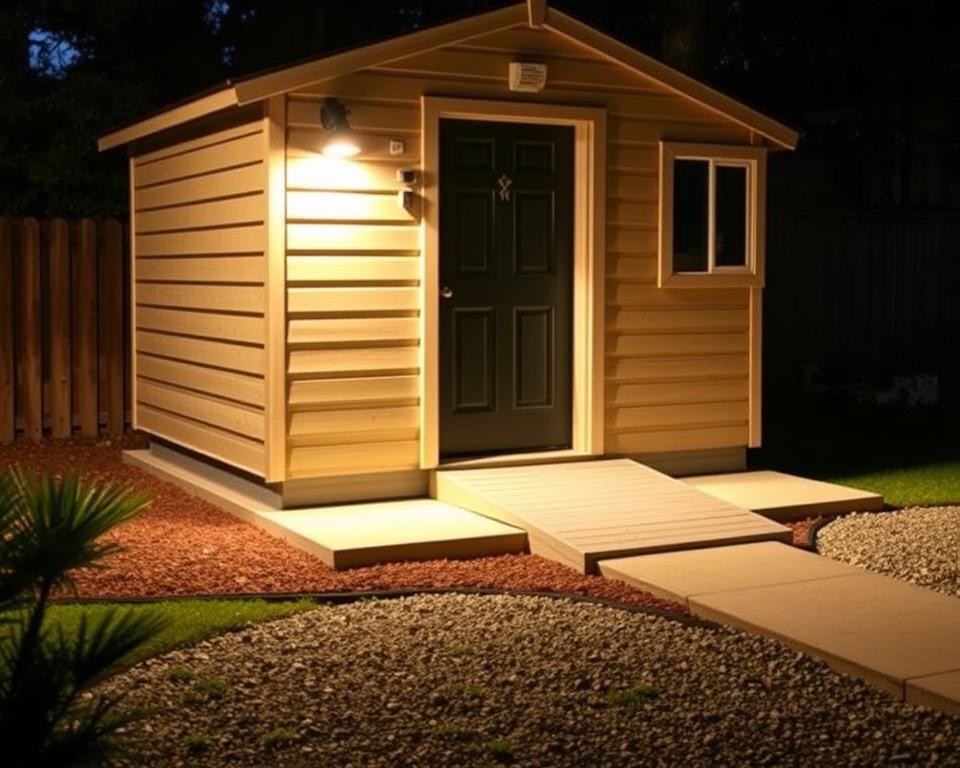
Property owners should position their shed for convenient daily access. Consider the primary use—gardening tools benefit from proximity to planting beds, while heavy equipment requires wider paths.
A stable foundation is crucial for any garden building. The base must be level to prevent structural issues and water pooling. Proper ground preparation ensures adequate support and ventilation.
| Foundation Type | Best For | Advantages | Limitations |
|---|---|---|---|
| Concrete Slab | Permanent installations | Maximum stability, rodent-proof | Permanent, difficult to remove |
| Gravel Base | Most garden sheds | Good drainage, easy installation | May require occasional topping up |
| Paving Slabs | Level gardens | Attractive finish, stable surface | Requires precise levelling |
Integrating Security Measures and Aesthetic Options
Security considerations are essential when storing valuable items. Positioning the structure within view from the home provides natural surveillance. Additional measures like sturdy locks enhance protection.
The shed’s design should complement your garden’s aesthetic. Choices in roof style, window design, and exterior finishes create a cohesive look. These elements transform practical storage into an attractive garden feature.
Conclusion
A well-placed garden shed transforms from mere storage to a valuable garden asset. The decision on where to position this structure requires balancing numerous things to achieve optimal functionality.
Property owners should evaluate their available space, legal permission requirements, and practical needs like door access and security. Getting the foundation level and considering weather exposure prevents future issues.
Taking time for thorough planning ensures your shed serves its purpose effectively for years. This methodical approach to positioning maximises the investment in your property‘s outdoor building.
FAQ
Does my garden shed require planning permission?
In many cases, a garden shed falls under ‘permitted development’ and does not require planning permission. However, this depends on specific criteria, including the shed’s size, height, and its position relative to your property boundary. It is crucial to check with your local planning authority, as regulations can vary.
How far should a shed be from a fence or boundary?
It is generally advisable to position a shed at least 50cm away from any boundary fence. This gap allows for essential maintenance, such as painting or treating the timber, and helps improve air circulation to prevent damp. It also minimises potential disputes with neighbours regarding overhanging roofs or access.
What is the best foundation for a garden building?
A solid, level foundation is paramount for the longevity of any garden building. Popular options include a concrete base, paving slabs, or a treated timber frame. The choice often depends on the shed’s size and the ground conditions. A proper foundation prevents sinking, ensures the door functions correctly, and protects the structure from ground moisture.
How can I ensure my shed is secure?
A> Good security starts with a robust lock on a strong door. Additional measures include fitting window locks, using a shed alarm, and ensuring the building is not easily visible from public paths. Positioning the shed within sight of your house can also act as a deterrent to potential thieves.
Should I consider sunlight when choosing a location?
Yes, sunlight exposure is a key factor. If you plan to use the shed as a workshop or potting area, a sunnier spot is beneficial. Conversely, if you are storing sensitive items, a shadier location can help protect them from heat and UV damage. Consider the path of the sun across your garden throughout the day.
What are the main considerations for shed access?
Easy access is essential. Ensure there is a clear, wide path to the shed door for moving large items in and out. The door should open freely without obstruction. Also, consider how you will get to the shed in all weather conditions; a well-drained, solid path is a worthwhile investment.