What Are the Benefits of Overlap Cladding? Explained Here
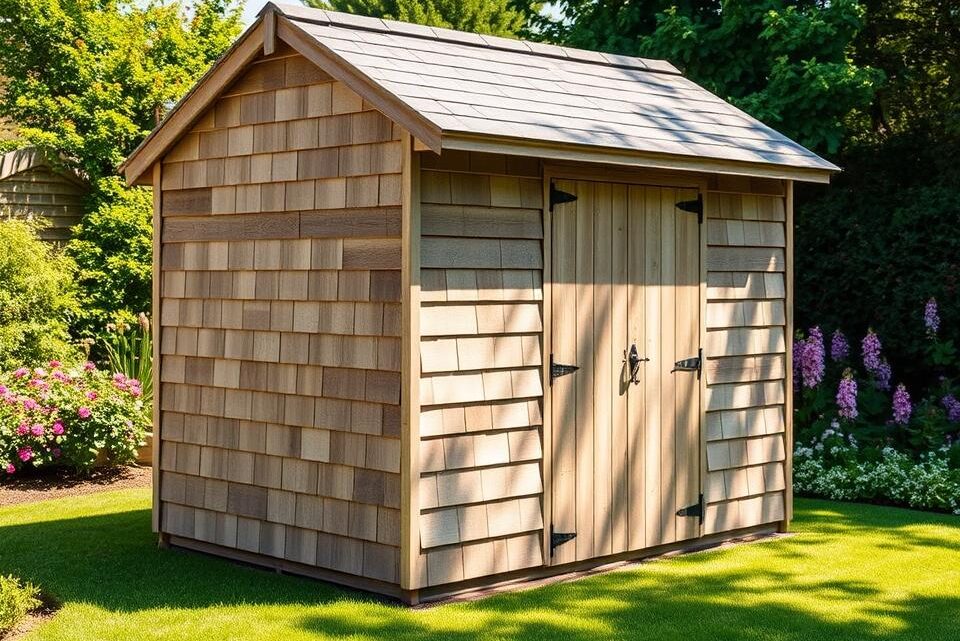
Choosing the right cladding for a garden shed is a crucial decision for UK homeowners. The protective covering determines how well a structure withstands Britain’s unpredictable weather patterns. Proper cladding ensures belongings remain safe and dry throughout the seasons.
Several cladding options exist for sheds, each with distinct characteristics. Understanding the difference between these types helps buyers make informed choices. The selection affects both aesthetic appeal and functional performance.
This article explores the world of shed protection, focusing specifically on one popular method. Overlap cladding represents a traditional and cost-effective solution for many garden structures. Its unique installation technique provides specific advantages worth considering.
For first-time buyers, navigating cladding choices can feel overwhelming. Different materials and installation styles offer varying levels of durability and weather resistance. Knowing the pros and cons of each option simplifies the decision-making process.
Inhaltsverzeichnis
Key Takeaways
- Cladding serves as essential waterproof protection for garden sheds
- Multiple cladding types are available with different characteristics
- The choice impacts both appearance and structural integrity
- Weather resistance varies significantly between cladding options
- Cost considerations often influence the final selection
- Each cladding style suits different storage requirements
- Understanding the differences helps make informed purchasing decisions
What Are the Benefits of Overlap Cladding?
With its straightforward manufacturing process, overlap cladding offers significant savings for shed construction. This traditional method has served gardeners well for generations. The system uses horizontal boards that overlap each other in a simple yet effective pattern.
Cost-effectiveness and Quick Manufacture
The production of overlap cladding requires minimal time and equipment. Manufacturers can create these panels quickly, which directly impacts the final price. This efficiency makes overlap sheds an economical choice for budget-conscious homeowners.
Building with overlap cladding is equally straightforward. The horizontal panels fit together easily without complex joinery. This simplicity reduces labour costs and construction time significantly.
Many gardeners appreciate how this traditional building method balances cost with functionality. The rustic appearance blends well with outdoor environments. It’s an ideal solution for basic storage needs.
Efficient Rainwater Run-off for Dry Storage
The overlapping design serves a crucial purpose beyond aesthetics. Each board overlaps the one below it, creating a weather-resistant barrier. This arrangement allows rainwater to run off efficiently.
Water flows down the exterior surface without penetrating the interior space. This protection keeps stored items dry during typical British weather conditions. Garden tools and equipment remain safe from moisture damage.
While not completely airtight, this cladding type provides sufficient protection for most storage requirements. The system has proven effective for centuries in various climates. Homeowners can trust this time-tested method for their garden sheds.
Comparing Overlap, Shiplap and Tongue & Groove Cladding
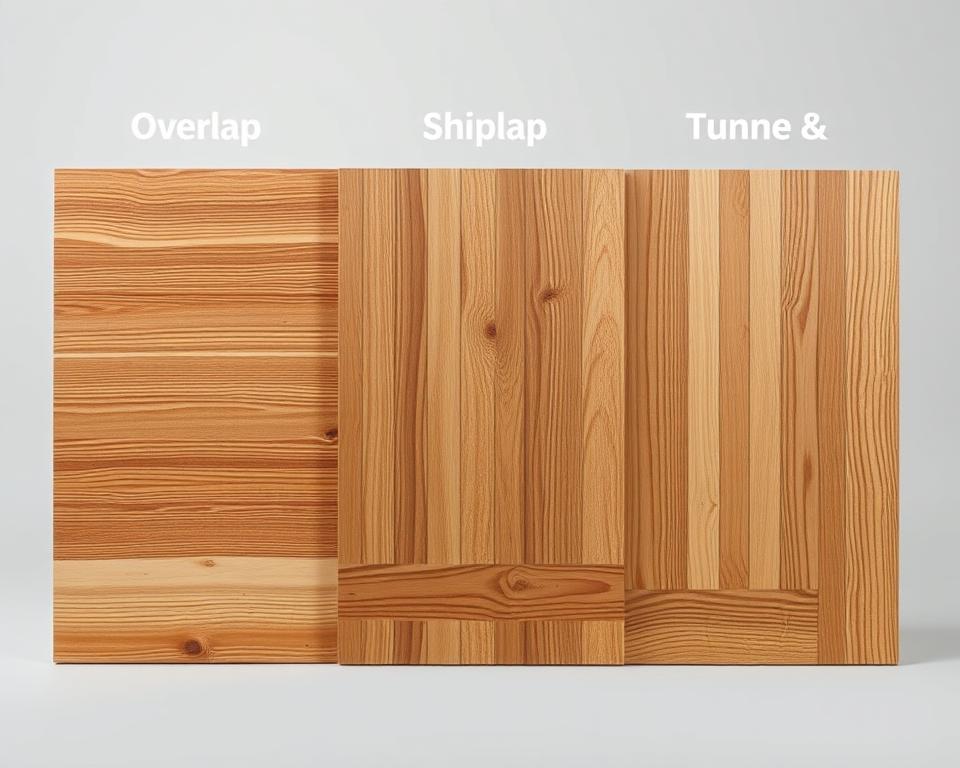
Three primary cladding methods dominate the UK shed market, each offering distinct levels of protection and aesthetic qualities. Understanding these differences helps homeowners make informed purchasing decisions based on their specific needs and budget constraints.
Understanding the Design Differences
The fundamental design variations between these cladding types determine their performance characteristics. Overlap features simple horizontal boards that overlap without interlocking mechanisms. Shiplap cladding uses overlapping lips that create a flush, flat surface through interlocking panels.
Tongue and groove represents the most sophisticated design approach. This system employs wooden planks with precise slot-and-groove connections that eliminate gaps completely. The interlocking mechanism creates exceptionally tight seals unavailable in simpler designs.
Weather Resistance and Aesthetic Appeal
Weather protection capabilities progress significantly across these cladding types. Basic overlap provides watertight qualities suitable for general storage. Shiplap offers enhanced protection with both watertight and airtight characteristics.
Tongue and groove delivers superior insulation and complete moisture barriers. This makes it ideal for valuable items requiring maximum protection from British weather conditions.
Aesthetic differences are equally pronounced. Overlap presents a traditional rustic appearance, while shiplap provides smooth flat surfaces internally and externally. Tongue and groove offers the most premium finish with its seamless, attractive appearance.
Manufacturing Complexity and Price Points
Manufacturing complexity directly influences final pricing structures. Overlap requires the simplest production process, making it the most economical option. Shiplap demands more intricate construction due to its interlocking lips, resulting in mid-range pricing.
Tongue and groove involves the most time-consuming manufacturing with precise interlocking requirements. This complexity, combined with higher-quality timber selection, positions it as the premium-priced option. The increased cost reflects superior durability and weather resistance.
- Overlap: Economical, basic weather protection, rustic appearance
- Shiplap: Mid-range pricing, improved weather resistance, smooth finish
- Tongue & Groove: Premium quality, maximum protection, sophisticated design
Choosing the Ideal Shed Cladding for Your Needs
Selecting the perfect cladding for a garden shed hinges on understanding its primary purpose. This decision directly impacts the building‘s functionality and longevity.

Homeowners must weigh their requirements carefully. The right choice balances immediate needs with future considerations.
Storage Versus Workshop: Usage Considerations
Overlap cladding is an excellent option for basic storage. It provides sufficient shelter for garden tools and general equipment.
However, this type of construction is not airtight. Damp air can enter, making it unsuitable for moisture-sensitive items. It also cannot support wall-mounted shelving.
For those needing a workspace, other options like shiplap are superior. They offer better protection from the weather and draughts, creating a more comfortable environment.
Maintenance, Durability and Long-Term Costs
The timber treatment is crucial for durability. Dip-treated wood is cheaper initially but wears off over time.
Pressure-treated timber, while more expensive, offers strength and longevity. It penetrates deep, providing top-level protection against rot and insects.
Considering these factors helps avoid costly upkeep. A well-informed choice ensures the shed serves its purpose for years.
Conclusion
Selecting the ideal shed cladding is a balance of budget, purpose, and desired longevity. For homeowners seeking a cost-effective solution for basic garden storage, overlap cladding stands out as a reliable and traditional choice.
Its key advantages are clear: economical pricing, straightforward manufacturing, and effective rainwater run-off that keeps stored items dry. This type of cladding offers a rustic appearance that suits many garden settings perfectly.
However, it is crucial to understand its limitations. Unlike shiplap or tongue and groove systems, overlap panels do not provide an airtight seal. This makes them less suitable for workshops or storing highly sensitive items.
Ultimately, the decision hinges on individual needs. For basic storage where initial cost is a priority, overlap cladding remains an excellent option. Its long history in British gardens is a testament to its practical durability and functional protection.
FAQ
How does overlap cladding provide good weather protection?
Overlap cladding features boards that overlap each other. This design creates a series of downward slopes that efficiently shed rainwater away from the shed’s interior. This overlap acts as a barrier, preventing moisture from seeping into the building and ensuring dry storage for garden equipment.
Is overlap cladding a budget-friendly option?
Yes, overlap cladding is often the most cost-effective choice. Its simple design allows for quicker manufacture and uses less material than more complex types like shiplap or tongue and groove. This efficiency makes it an excellent option for those prioritising price and straightforward construction.
What is the main difference between overlap and shiplap cladding?
The key difference lies in the interlocking mechanism. Overlap boards simply lay on top of each other. Shiplap, however, has a specialised tongue and groove design that creates a tighter, more interlocking seal. This gives shiplap a smoother appearance and potentially better weather resistance.
Which type of cladding is best for a garden workshop?
For a workshop where strength and durability are paramount, tongue and groove cladding is often recommended. Its interlocking panels provide superior strength and a very effective seal against moisture. While it comes at a higher price point, its long-term durability can make it a worthwhile investment for a building that sees heavy use.
How does the appearance of overlap cladding compare to other types?
Overlap cladding has a traditional, rustic appearance with visible board lines. In contrast, shiplap and tongue and groove cladding offer a smoother, more refined finish. The choice depends on the desired aesthetic for the garden building, with overlap providing a classic shed look.
Does overlap cladding require more maintenance?
Overlap cladding may require slightly more attention over time compared to tighter-fitting panels. The overlapping boards can be more susceptible to moisture penetration if not properly treated. Regular treatment with a quality wood preservative is advised to maintain its condition and extend its lifespan.