Garden Buildings with Windows: Styles & Types
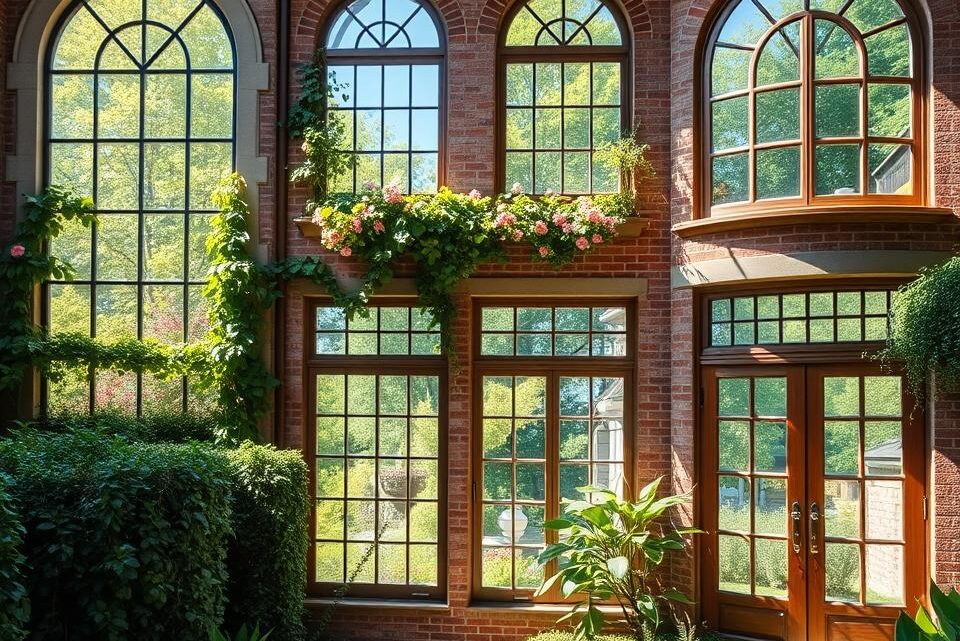
Garden buildings UK range from simple sheds to fully insulated garden rooms and granny annexes. Each type serves a purpose—leisure, work, storage, cultivation or a habitable annexe—and windows change how those spaces feel and perform. Good glazing brings daylight, ventilation and views while affecting security, thermal comfort and the building’s character.
The choice of garden windows styles and the glazing used will determine whether a summerhouse feels airy or a garden office stays warm in winter. This article covers the main types of garden buildings with windows and explains how window design links to function. We look at summerhouse windows, conservatory glazing and contemporary large-format panes alongside practical options for workshops and greenhouses.
The UK climate—variable sunlight, wind and frequent rain—shapes decisions about window placement and materials. Timber specialists, aluminium fabricators and uPVC window manufacturers supply common solutions across Britain, and planning or building regulations can influence what is allowed. Homeowners researching types of garden buildings with windows will find guidance on styles, glazing performance, siting and installer selection throughout this guide.
Inhaltsverzeichnis
Key Takeaways
- Windows define use: light and ventilation transform leisure, work and habitable garden structures.
- Consider garden buildings UK climate impacts when choosing glazing and window placement.
- Garden windows styles range from sash and casement to frameless and large-format glazing.
- Material choices—timber, aluminium, uPVC—affect maintenance, appearance and thermal performance.
- Planning rules and building regulations can limit window size or position; consult local guidance.
- Practical guidance ahead will cover glazing types, siting, insulation and installer selection.
Types of Garden Buildings with Windows
Choosing the right garden building begins with understanding common garden building categories and how window choices change use and mood. This short guide outlines leisure, work, utility and plant-focused structures, and explains how glazing informs function and style in garden building styles UK.
Overview of common garden building categories
Summerhouses and pavilions serve leisure and entertaining needs. Garden offices and studios support focused work or creative tasks. Workshops and sheds offer secure storage and practical workspace. Greenhouses and glasshouses focus on plant cultivation. Garden rooms and granny annexe structures provide habitable living space. Orangeries and conservatories extend the house with large glazed areas. Contemporary and modular garden buildings deliver prefabricated, high-performance options.
How windows define use and character
Natural light is vital for productivity in garden offices and studios. Full-height glazing creates a strong indoor–outdoor flow in summerhouses, conservatories and orangeries. Workshops and sheds need smaller, secure windows to protect tools and maintain privacy. Greenhouses require controlled light to balance photosynthesis and shading for delicate plants.
Sash windows and casements lend heritage character to traditional builds. Large-format aluminium frames and frameless glass give modern garden rooms a contemporary look. Leaded panes or Georgian bars add period detail for classic cottages and listed settings.
Comparing glazing options across building types
Single glazing remains common in simple summerhouses and many greenhouses where cost and maximum light matter most. Double glazing becomes standard for habitable garden rooms, offices and granny annexes to meet thermal comfort and planning expectations. Triple glazing or high-performance insulated units suit exposed sites, energy-efficient modular buildings and annexe use where low U-values matter.
Specialist glass options are available: Low-E coatings reduce heat loss, solar-control glass limits summer overheating, laminated glazing adds security, and toughened glass improves safety. Self-cleaning coatings cut maintenance on large-format glazing.
| Building Type | Typical Window Style | Common Glazing | Key Performance Note |
|---|---|---|---|
| Summerhouse / Pavilion | Casement, French doors, full-height panes | Single or double glazing | Prioritise light and indoor–outdoor flow; double glazing for year-round use |
| Garden Office / Studio | Large windows, tilt-and-turn, skylights | Double glazing standard; Low-E options | Balance daylight with glare control; U-values affect comfort |
| Workshop / Shed | Small casements, security glass | Toughened or laminated double glazing | Security and ventilation are priorities |
| Greenhouse / Glasshouse | Full-height glass panels, roof vents | Single glazing, polycarbonate, or horticultural double glazing | Maximise light, manage solar gain and ventilation |
| Garden Room / Granny Annexe | Large glazed areas, bi-folds, sash for tradition | Double or triple glazing; laminated for safety | Must meet building regs for thermal and safety performance |
| Orangery / Conservatory | Sash, casement, roof lanterns | Double glazing with Low-E or solar-control | Blend heritage aesthetics with modern thermal performance |
| Contemporary / Modular | Frameless glass, large aluminium frames | High-performance double or triple glazing | Designed for energy efficiency and rapid installation |
Technical metrics such as U-values and solar heat gain coefficient (SHGC) vary by glazing. Lower U-values improve insulation. Appropriate SHGC helps control summer heat. Choose glazing to match intended use, budget and site exposure. Combine glazing choices with ventilation strategies to ensure comfort and plant health where relevant.
Summerhouses and Pavilions with Windows
Summerhouses and garden pavilions serve leisure and entertaining needs, offering shelter while framing views of lawns, ponds and specimen trees. Typical uses are seasonal rather than full-time habitation, so window choices balance light, ventilation and cost.
Design features and typical window styles
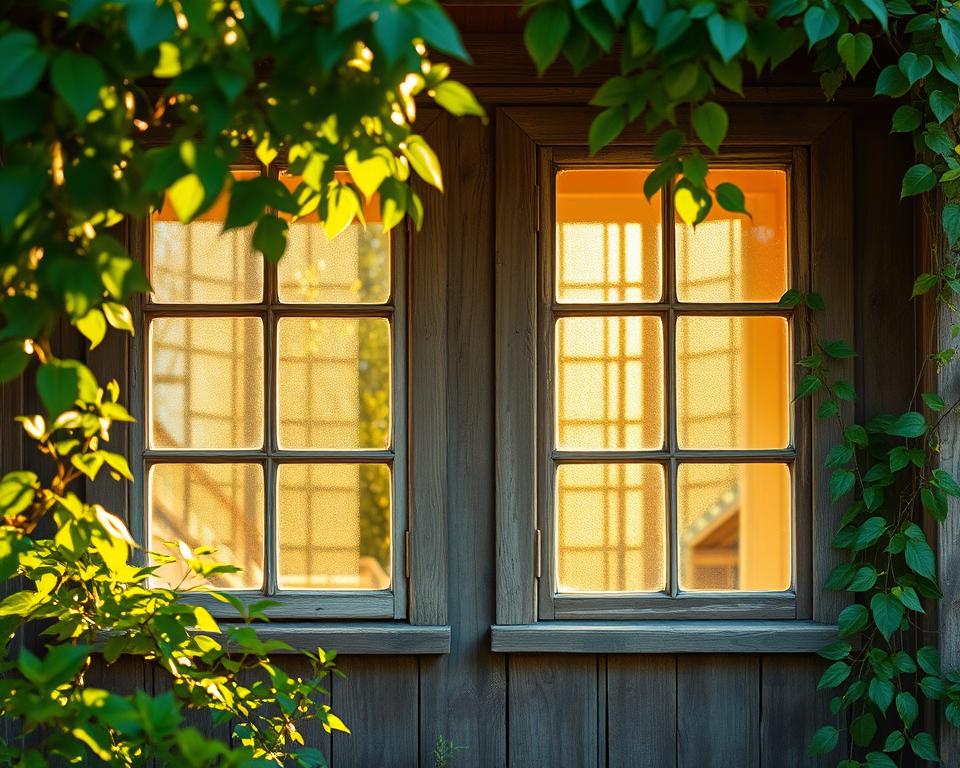
Casement windows are common for their simple operation and good ventilation. Fixed picture windows create uninterrupted views and work well opposite a focal garden feature. French doors and bi-folding glazed doors open interiors to terraces for parties and summer days. Bay windows give panoramic sightlines, while small sash windows suit traditional, timber summerhouses.
Best materials for light and ventilation
Timber frames, from Scots pine to Accoya, give warmth and a natural look that suits many landscapes. Aluminium offers slim sightlines and low maintenance where large panes are desired. Painted or stained finishes help structures sit within the garden palette. For glazing, single panes may suffice for brief seasonal use, but double glazing is advised for extended-season enjoyment. Use toughened safety glass for doors and low-level panes to meet safety needs.
Positioning for sunlight and privacy in UK gardens
Place primary glazing to face south or west to capture the best garden pavilion sunlight in the UK climate. Use planting, trellis panels or frosted glazing to shield neighbours without losing daylight. On exposed boundaries, prefer smaller, sheltered openings to reduce draughts and wind impact.
Ventilation reduces condensation and improves comfort. Include opening vents, trickle vents or hopper windows and consider rooflights or clerestory glazing to boost daylight without sacrificing privacy.
| Feature | Typical option | Benefit |
|---|---|---|
| Window style | Casement, fixed picture, sash, bi-folding doors | Mixes ventilation, views and access for entertaining |
| Frame material | Softwood (Scots pine), Accoya, aluminium | Warmth, durability, slim profiles and low maintenance |
| Glazing | Single for low cost, double for longer seasons, toughened safety glass | Cost control, thermal comfort, safety for doors and low panes |
| Ventilation | Trickle vents, hopper windows, rooflights | Prevents condensation and maintains airflow |
| Orientation and privacy | South/west-facing glazing, planting, frosted glass | Maximises garden pavilion sunlight while screening neighbours |
| Landscape integration | Align vista-lines with ponds and trees, match finishes | Creates seamless link between building and garden |
Choose summerhouse materials and glazing proportions that reflect existing architecture and sightlines. A considered approach to summerhouse design UK ensures comfortable, light-filled spaces that complement the garden and extend the season for enjoyment.
Garden Offices and Studios with Windows
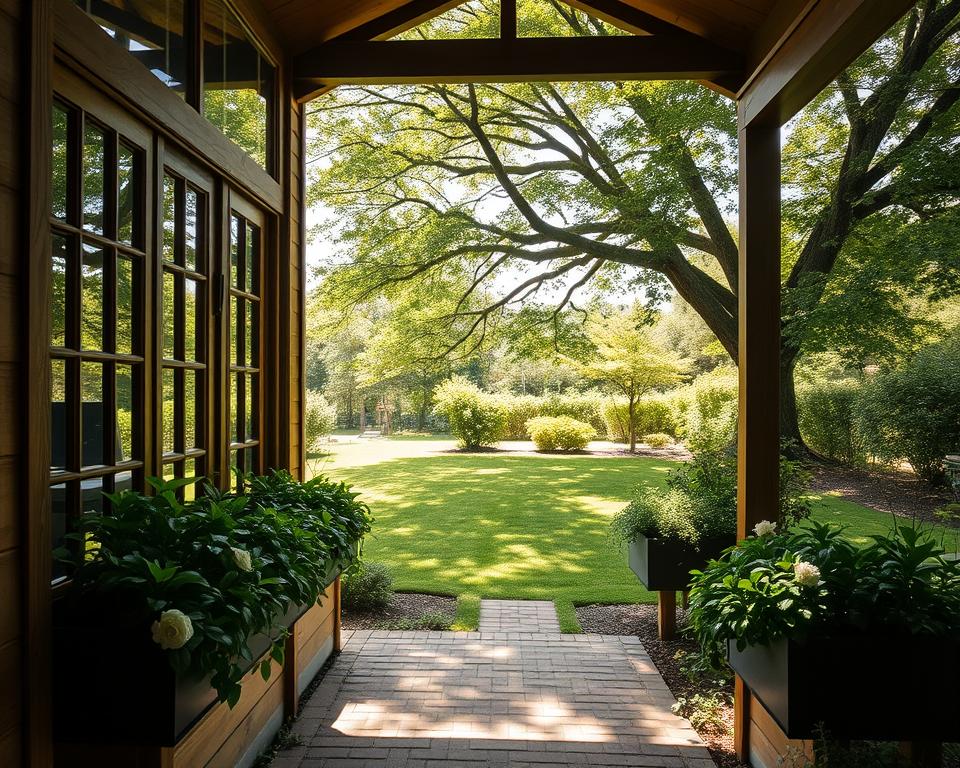
A well-glazed garden office or studio transforms a small structure into a productive workspace. Good window choices deliver natural light, maintain thermal comfort and help reduce screen glare for people who work on computers.
Window choices for natural light and screen glare reduction
North-facing glazing gives steady, diffuse light that suits creative tasks. South or west-facing panes bring warmth in winter. Use solar-control glass, external blinds or brise-soleil to reduce screen glare during bright afternoons.
Anti-glare coatings and fritted glass work well where direct sunlight hits screens. For photographers and designers, consider mixed glazing: large fixed panes for view with smaller operable windows for ventilation.
Insulation and double-glazing considerations
Double glazing garden office setups should be the baseline for year-round comfort. Choose argon-filled units with Low-E coatings to cut heat loss and raise internal temperatures on cold days.
Triple glazing pays off in colder sites or where acoustic performance is crucial. Aim for U-values that meet habitable-room guidance. Insulated frames and thermally broken aluminium help prevent cold spots around the glass.
Planning and building regulations for home workplaces
Many garden offices remain permitted development if size, height and boundary distances comply. Building regulations apply when a space has fixed heating, sleeping accommodation or significant electrical work.
Follow home workplace regulations UK for electrical safety and Part P compliance when installing wiring. If staff or regular visitors use the garden office, check whether change of use or planning permission is needed.
Practical measures help day-to-day use: laminated security glazing for vandal resistance, routed cabling for reliable broadband and insulated floors for acoustic separation. Mechanical ventilation, opening fanlights or MVHR systems keep air fresh and reduce overheating risks.
| Issue | Recommended solution | Benefit |
|---|---|---|
| Excess screen glare | Solar-control glass, external blinds, anti-glare coatings | Clearer screens, fewer headaches, longer productive hours |
| Heat loss in winter | Double glazing garden office with argon fill and Low-E | Lower heating bills, stable internal temperature |
| Noise from neighbours | Triple glazing or laminated acoustic units | Improved concentration and privacy |
| Poor ventilation | Opening fanlights, roof vents, MVHR | Better air quality, reduced overheating |
| Regulatory compliance | Check home workplace regulations UK, Part P electrical work, planning advice | Avoid fines, ensure safe and legal use |
| Creative light needs | Studio glazing with north-facing windows and adjustable shading | Even, colour-accurate light for creative tasks |
Workshops and Sheds with Windows
Workshops and sheds need windows that balance daylight, airflow and security. Thoughtful placement of shed windows and rooflights keeps workbenches bright while limiting glare. Choosing the right workshop glazing shapes usability for woodwork, potting and DIY tasks.
Security glazing workshop choices can prevent break-ins without blocking light. Laminated glass, toughened panes or polycarbonate sheets resist impact. Small, high-level windows and internal grilles add protection where valuables or power tools are stored.
Positioning matters. Place windows to illuminate the primary workbench and tool zones. North- or east-facing glazing reduces harsh afternoon sun. Rooflights deliver direct task light and sit out of reach, improving both daylight and security glazing options.
Ventilation workshop design should remove dust, fumes and humidity quickly. Fit extractor fans near work areas when sanding or painting. Include louvre windows or adjustable vents to control airflow and create cross-ventilation during machinery use.
Durable shed materials extend service life under heavy use. Engineered or preservative-treated timber resists rot. Accoya offers long-term stability for frames. Galvanised steel, aluminium and uPVC provide low-maintenance options for window frames and cladding.
Floors and fittings matter for heavy-duty use. Concrete or pressure-treated timber floors support benches and machinery. Choose glazing with easy-to-clean coatings and replaceable panels to simplify maintenance after a season of intense projects.
A short practical checklist below helps match glazing and materials to use.
| Need | Recommended glazing | Frame/materials | Practical tip |
|---|---|---|---|
| Security for tools | Laminated glass or polycarbonate | Galvanised steel frames | Use high-level windows and internal grilles |
| Daylight for precision work | Rooflight plus north-facing windows | Accoya or engineered timber | Place windows above workbench height |
| Dust and fume control | Openable louvres and extractor fittings | uPVC or aluminium vents | Design for cross-ventilation |
| Heavy equipment | Safety glazing near machinery | Concrete or treated timber floors | Choose replaceable glazing panels |
| Low maintenance | Toughened double glazing | Aluminium or uPVC frames | Pick easy-clean coatings |
Greenhouses and Glasshouses: Maximising Light
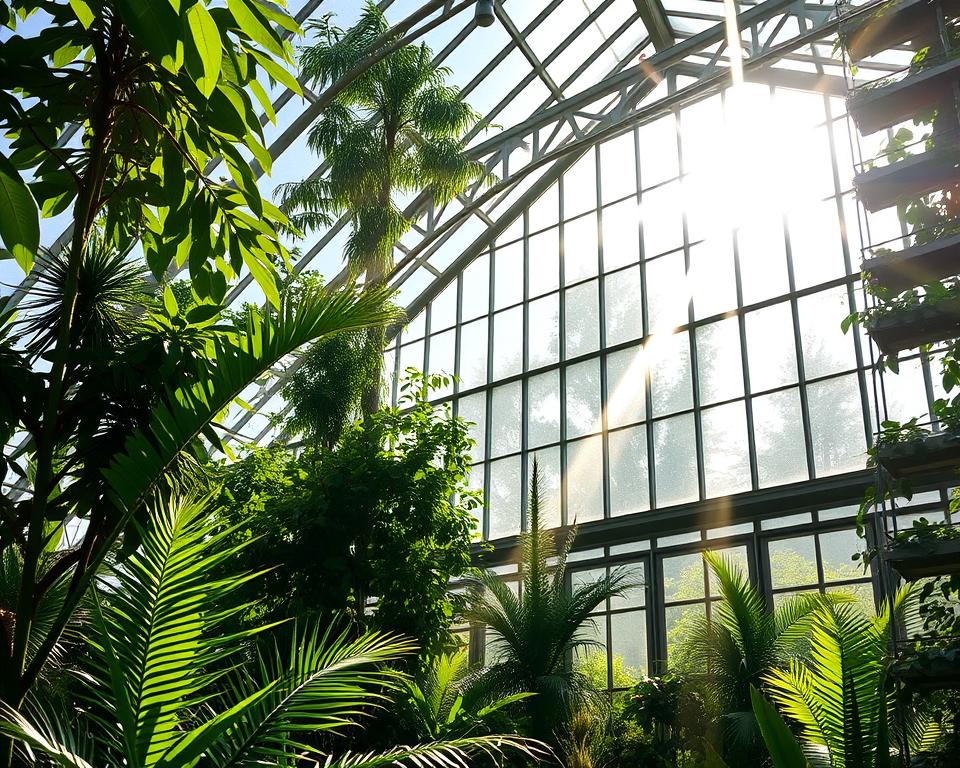
Greenhouses and glasshouses aim to give plants the best light and a stable microclimate. Choosing the right glazing and ventilation helps control temperature, humidity and light levels through the seasons.
Types of glazing specific to plant cultivation
Horticultural glass, such as annealed or toughened panels, delivers excellent light transmission and long life for traditional glasshouses. Polycarbonate systems, from single sheets to twin‑wall panels, offer impact resistance and better thermal performance.
Clear glass gives maximum direct light for fruiting crops. Diffusing polycarbonate scatters sunlight to reduce scorch and even out shade for seedlings and leafy greens.
Vent intake and automated window systems
Adequate venting prevents overheating and reduces disease risk. Common options include ridge, roof and louvre vents paired with side intake vents to promote cross flow.
Thermostatic openers and electric actuators provide reliable automated control. Brands such as Ventomax and solar‑powered automatic openers are popular choices for low‑maintenance operation across the UK. Properly specified automated vents UK help maintain steady growing conditions without constant manual checks.
Seasonal management and insulation techniques
Summer shading with paint or shade cloth lowers peak temperatures during hot spells. In winter, bubble‑wrap, thermal screens and insulated cloches cut heat loss and protect tender plants from frost.
Introducing thermal mass, like water barrels or stone, moderates night‑time drops. Pair these measures with greenhouse ventilation and heating systems for a consistent environment year‑round.
Careful choice of frame material matters. Aluminium and treated timber resist the humid conditions inside. Routine inspection of seals and fittings preserves both glazing performance and greenhouse insulation.
Garden Rooms and Granny Annexe Windows
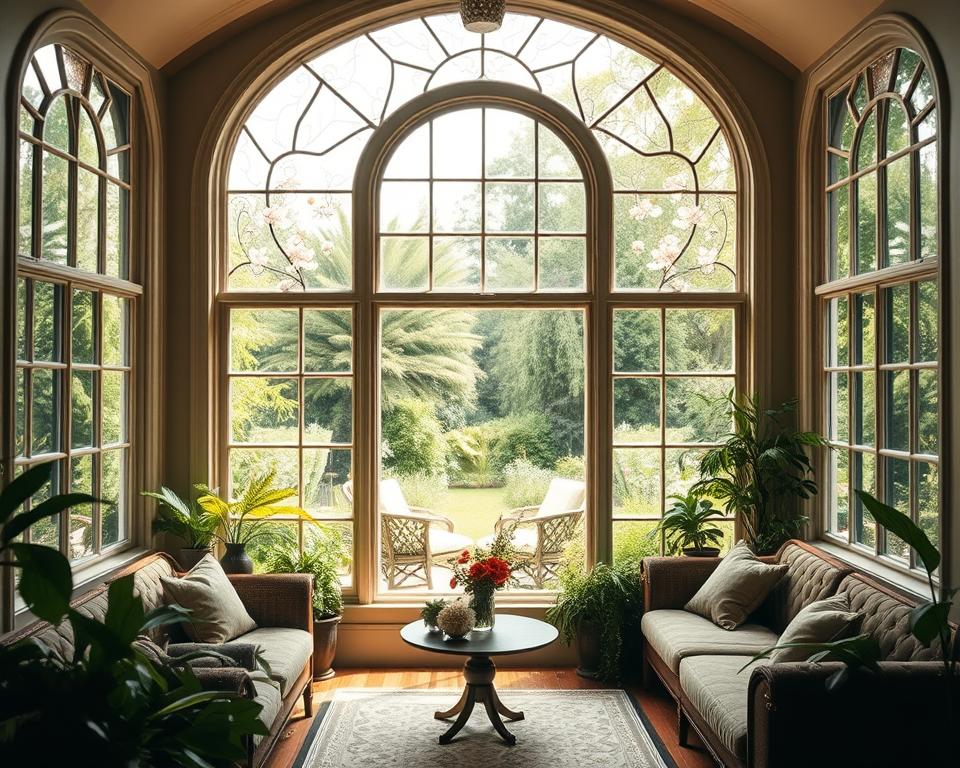
Garden rooms and granny annexes serve as full living spaces. That means window choices must meet comfort, safety and legal standards while keeping a pleasant feel.
Balancing privacy and light in habitable spaces
Use combinations of full-height glazing and high-level or frosted panes to keep daylight without exposing private areas. Blinds, shutters or external screens help control sightlines at different times of day.
Secondary glazing or slimline internal panels boost insulation and keep views open when privacy is not required. Position windows to capture morning or late light, depending on room use.
Compliant windows for building regulations and safety
Habitable annexe windows must comply with building regs windows UK on thermal performance, ventilation and means of escape. Approved Document F covers ventilation; Part L sets U-value targets for heat loss.
Escape windows in bedrooms need to meet size and sill-height rules. Safety glazing rules require toughened or laminated glass where panes sit close to doors, floors or circulation routes.
Acoustic and thermal performance considerations
Acoustic glazing reduces street or neighbour noise. Use laminated panes or mixed-thickness double glazing to improve sound attenuation for restful bedrooms.
Low U-value glass with Low-E coatings and warm edge spacers helps meet Part L. Thermally broken aluminium or timber frames keep warmth in and cut condensation risk.
Include trickle vents or mechanical ventilation with heat recovery where airtight installation aims to conserve energy. Choose window openings that suit mobility needs and provide accessible means of escape if required.
Orangery and Conservatory Window Styles
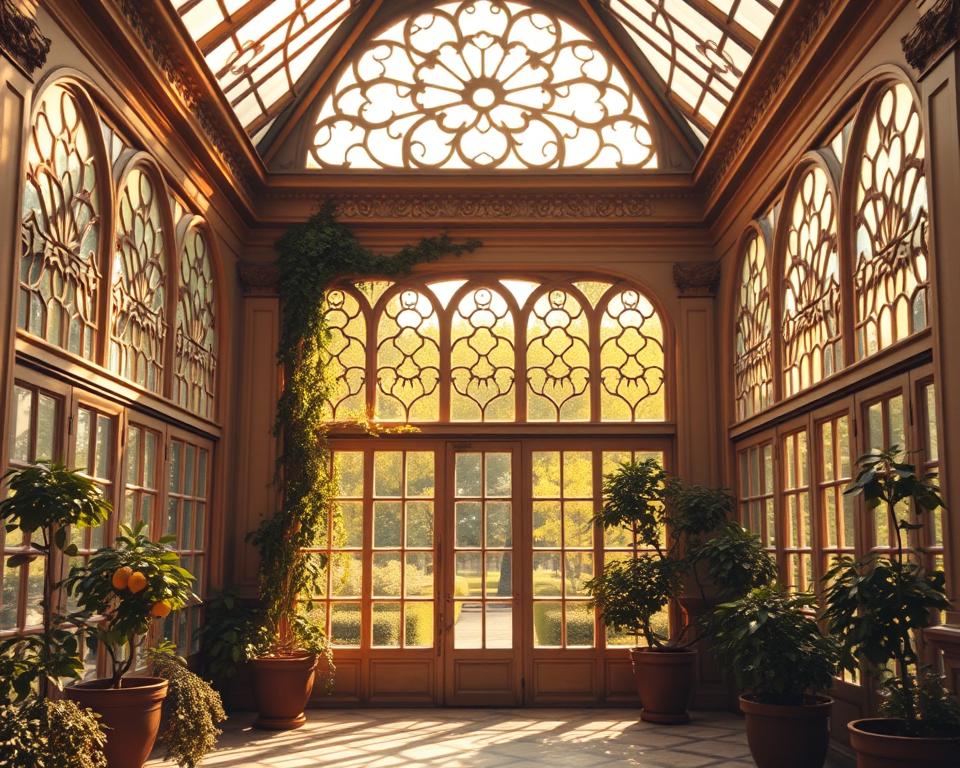
Orangeries and conservatories sit at the intersection of tradition and modern comfort. Their glazing choices shape light, warmth and the overall character. This section explains classic window types, roof lanterns and ways to marry heritage glazing with upgraded thermal performance.
Traditional sash and casement options
Timber sash windows and period-style casements remain popular for listed buildings and sensitive restorations. Sash windows orangery installations can replicate original sightlines while using double- or triple-glazed units to meet current U-value targets. Timber casements give a sturdy, authentic look and suit orangeries that keep some masonry in their walls.
Roof lanterns and full-height glazing
Roof lanterns UK designs bring daylight from above and reduce shadowing inside. Lanterns are available in timber and thermally-broken aluminium frames to balance appearance with performance. Pairing roof lanterns with full-height glazing such as French doors, sliding doors or bifold systems creates a seamless indoor–outdoor flow and maximises natural light.
Blending heritage aesthetics with modern performance
Heritage glazing need not mean poor thermal efficiency. Modern manufacturers including Velfac and Reynaers supply heritage-look frames that meet current standards. Choose insulated pelmets, high-performance conservatory glazing and sealed sash units to control condensation and overheating.
Where properties sit in conservation areas or are listed, consult local conservation officers. Carefully matched profiles and traditional finishes help secure approvals while preserving the building’s character.
Contemporary and Modular Garden Buildings with Windows
Contemporary garden building glazing has reshaped how gardens and interiors meet. Designers favour large panes, slim aluminium frames and seamless transitions to outdoor spaces. Prefabrication and panelised construction speed up installation while keeping quality high.
Large-format glazing and frameless options provide uninterrupted views. Floor-to-ceiling panels, frameless glass corners and structural silicone techniques create monolithic effects. A frameless glass garden building can use hidden supports and thermally broken systems to keep sightlines clear without sacrificing strength.
Prefabricated systems and window integration make modular garden rooms practical for tight sites. Manufacturers such as PodSpace, Zedbox and Gardenoffice POD produce factory-built panels with pre-fitted double or triple glazing, airtight membranes and continuous insulation. Off-site assembly reduces on-site disruption and improves thermal performance.
Energy-efficient glazing is central to modern builds. Low-E coatings, argon or krypton fills and warm edge spacers cut heat loss. For Passivhaus-inspired pods, triple glazing and low Psi values are common. Certified installers help ensure windows meet performance claims and long-term durability.
Window integration in panelised walls focuses on thermal breaks and pre-wired conduits. Factory sealing and quality control deliver consistent airtightness. Modular garden rooms often include pre-installed electrical and data paths, simplifying final connection on site.
Sustainable choices support lower embodied carbon. Recyclable aluminium frames, FSC-certified timber and solar-control glass reduce environmental impact. Combining these materials with energy-efficient glazing yields a high-performance, low-maintenance garden space suited to modern living.
Materials, Glazing Types and Window Frames
Choosing the right combination of window frame materials and glass makes a big difference to comfort, security and running costs. This short guide sets out practical comparisons and explains core glazing types so you can match performance to the intended use of a summerhouse, garden office or conservatory.
Timber, aluminium and uPVC
Timber offers a warm, traditional look and strong thermal performance when well maintained. Specify Accoya or engineered hardwood for longer life and lower long‑term costs. Regular painting or staining will be required.
Aluminium delivers slim sightlines and structural strength for large panes. Choose thermally broken aluminium to reduce heat loss. It is low maintenance and highly recyclable, ideal where minimal frame profile is needed.
uPVC is the budget choice with modern multi‑chamber profiles that provide good insulation. It needs little upkeep and performs well for most garden buildings, though some buyers prefer the finer lines of aluminium or the character of timber.
Single, double and triple glazing explained
Single glazing suits non‑habitable or low‑cost structures such as basic greenhouses and some summerhouses. Insulation is limited and acoustic performance is poor.
Double glazing is the standard for regular use. Two panes with a gas fill, usually argon, plus a Low‑E coating significantly improve U‑values and comfort.
Triple glazing adds a third pane for the best thermal and acoustic performance. It is heavier and more costly and may require stronger frames and fittings.
Low‑E, laminated and toughened glass options
Low‑E glass UK products use a thin coating to reflect infrared heat while allowing visible light. This improves insulation without darkening the room.
Laminated glazing bonds panes with a PVB interlayer for security and sound reduction. If damaged, it holds together rather than falling out, meeting many safety needs for ground‑floor glazing.
Toughened glass is safety glass that breaks into small fragments. Building regulations require it in critical locations such as doors and low side panels.
| Feature | Timber | Aluminium | uPVC |
|---|---|---|---|
| Appearance | Traditional, warm grain | Slim, modern sightlines | Wider profiles, practical finish |
| Thermal performance | Good when maintained | Excellent with thermal break | Strong in modern multi‑chamber units |
| Maintenance | Regular painting/staining | Low maintenance | Very low maintenance |
| Cost | Higher initial, can be cost‑effective long term | Mid to high, depending on finish | Cost‑effective |
| Best use | Heritage or high‑end garden rooms | Large glass façades and modern builds | Everyday garden buildings and budget projects |
Ancillary items such as warm edge spacers, gas fills (argon or krypton), quality gaskets and seals are essential to achieve the advertised performance. For safety and compliance, check BS EN standards and UKCA marking before purchase. When weighing timber vs aluminium windows, consider look, upkeep and frame strength against cost and insulation needs.
Planning, Permits and Installation Considerations
Good planning for garden buildings starts with checking local rules and the siting of windows. Small changes can move a project from permitted development into formal planning. Early clarity saves time and cost.
When outbuildings meet permitted development windows rules, they usually must fit size limits, height restrictions and distance from boundaries. In the UK, an outbuilding behind the principal elevation, under specified height and floor area, will often avoid full planning. Exceptions include listed buildings, conservation areas, Areas of Outstanding Natural Beauty and National Parks where planning permission is likely required.
Large glazed elevations that face neighbours or public highways increase visual impact and privacy concerns. Local planning officers assess outlook, overlooking and street scene effects. If the glazing changes the look or use of the building, submit a pre-application or apply for consent to remove doubt.
When windows affect permitted development rights
Permitted development windows guidance covers size, position and glazing type. Roof lights, side windows and full-height glazing can trigger assessments. Check that the planned windows stay within the cumulative limits for floorspace and do not create new separate living accommodation without approval.
Building regulations and thermal performance requirements
Building regs for a garden room come into force when the space is a habitable room, sleeping accommodation or contains fixed services. Expect compliance with Part L for conservation of fuel and power, Part F for ventilation, Part M for access, Part B for fire safety and Part P for electrical work. Approved Document L provides the reference for glazing U-values and overall thermal performance.
Thermal targets include window U-values, airtightness and insulation levels for year-round use. Windows should meet stated U-value thresholds and be fitted to prevent thermal bridging. Safety glazing rules apply to low-level panes, bathroom windows and means of escape; these measures protect occupants and meet regulatory tests.
Choosing installers and ensuring compliance
Choosing window installers UK-wide requires checking qualifications and accreditations. Prefer FENSA-registered or TrustMark-certified companies. Ask for proof of public liability insurance, client references and product certifications to verify competence and warranty validity.
Obtain written quotes that itemise frame materials, glazing specification with U-values, coatings, guarantees and lead times. For complex builds, commission groundworks and base specialists to coordinate drainage, electrics and plumbing before window fitting.
Practical installation details include correct flashing, weatherproofing and airtightness to avoid water ingress and heat loss. Fit ventilation such as trickle vents or mechanical systems where building regs demand them. Ensure electrical work is certified and that post-installation commissioning checks confirm vents, seals and opening sashes operate correctly.
Always secure comprehensive handover documentation. That file should include warranties, maintenance guidance, compliance certificates and test results to support future inspections and any resale enquiries.
Conclusion
This summary garden building windows review shows that the right window choice depends first on how you will use the space. Greenhouses need maximum light and ventilated glazing, garden offices require thermal and acoustic performance, and workshops demand secure, durable glass. Consider timber, aluminium or uPVC frames alongside single, double or triple glazing, plus Low-E, laminated or toughened options, to match form and function.
When choosing garden building glazing, factor in the UK climate, orientation and privacy. Match glazing and frame materials to performance needs: prioritise light transmission for plant spaces, energy efficiency and low glare for home workspaces, and impact resistance for heavy use. Practical steps include checking permitted development rights and building regulations if the space is habitable.
Follow UK garden building guidance on installation and compliance by selecting certified installers and requesting multiple quotes. Set a clear budget and list of performance priorities, consult local planning or building officers if unsure, and confirm warranties and certification. Assess your site, then proceed with professional advice to ensure design, safety and longevity.
Finally, evaluate which garden building and window solution best suits your lifestyle and next steps. Make choices that balance aesthetics, function and regulation, and engage qualified professionals to deliver a compliant, long-lasting result.
FAQ
What types of garden buildings commonly include windows, and why does glazing matter?
Garden buildings with windows range from summerhouses, pavilions and garden offices to workshops, greenhouses, conservatories, orangeries, garden rooms and granny annexes. Contemporary modular units also feature large-format glazing. Windows provide daylight, ventilation, views and security. They define how a space can be used—natural light supports productivity in offices and studios, full-height glazing creates indoor–outdoor flow in summerhouses and conservatories, while controlled glazing and ventilation are essential in greenhouses and habitable annexes.
How should I choose glazing for a garden office to reduce screen glare and maintain thermal comfort?
For garden offices, specify double glazing as a baseline with argon fill and Low‑E coatings. North-facing windows offer diffuse light while south- and west-facing glazing benefit from solar-control glass, external shading or blinds to cut glare. For cold sites or high acoustic needs, consider triple glazing. Include opening windows or mechanical ventilation (MVHR or extract fans) to control overheating and maintain air quality.
Do I need building regulations approval for a garden room or granny annexe with windows?
Garden rooms and granny annexes used as habitable accommodation commonly trigger building regulations. Requirements cover thermal performance (Approved Document L), ventilation (Document F), means of escape and safety glazing (Documents B and N). If the annexe includes sleeping accommodation, fixed services or permanent heating, building regs will almost certainly apply. Always check local guidance and engage a qualified installer or building control officer early.
Can I rely on single glazing for summerhouses or greenhouses?
Single glazing can be acceptable for seasonal summerhouses and many greenhouses where light transmission and cost are priorities. However, for extended-season use, garden offices or habitable spaces, double glazing is recommended to improve insulation and reduce condensation. In greenhouses, horticultural polycarbonate or toughened glass may be preferred for impact resistance and diffused light rather than thermal performance alone.
What window frame material is best for exposed UK gardens—timber, aluminium or uPVC?
Choice depends on aesthetics, maintenance and performance. Timber (including Accoya) offers traditional warmth and good thermal performance when treated. Thermally broken aluminium gives slim sightlines and low maintenance, suitable for large panes. uPVC is cost-effective and low-maintenance with good thermal performance in modern multi-chamber profiles. For coastal or highly exposed sites, choose corrosion-resistant finishes and durable seals.
Which specialised glass types should I consider for security, safety and solar control?
Laminated glass improves security and acoustic performance by holding together when broken. Toughened glass is required in critical locations for safety. Low‑E coatings increase insulation by reflecting heat. Solar‑control glass reduces solar heat gain on west‑facing elevations. Self‑cleaning coatings help on high or hard‑to‑reach glazing. Warm‑edge spacers and gas fills (argon/krypton) improve overall U‑values.
How should windows be positioned in a workshop or shed to balance daylight with security?
Place windows to light primary workbenches—north or east aspects reduce harsh afternoon glare. Use smaller high‑level windows, rooflights or polycarbonate panels to provide task light while limiting break‑in risk. Consider laminated or polycarbonate glazing, security grilles or shutters for vulnerable areas. Ensure good ventilation with louvred vents or extractor fans where dust or fumes are produced.
What glazing and ventilation solutions work best in greenhouses to avoid overheating and promote plant health?
Use clear glass for maximum light transmission or diffusing polycarbonate to even light and reduce scorch. Install ridge, roof and louvre vents with thermostatic or solar‑powered automatic openers to control temperature. Employ shading paints or cloths in summer and bubble‑wrap insulation or thermal screens in winter. Integrate environmental controls—heating, humidity management and irrigation—and monitor conditions with thermostats and hygrometers.
When do windows affect permitted development rights for an outbuilding?
Windows can affect permitted development when they alter the external appearance, increase overlooking, or are part of an extension that exceeds size or height limits. Outbuildings must meet size, height and siting criteria to remain permitted development. Listed buildings, conservation areas and National Parks often need planning permission regardless. Check local planning guidance and consult planning officers if in doubt.
How do I find a reliable installer and what documentation should I request?
Select installers with recognised credentials such as FENSA, TrustMark or TrustATrader and request product certification (CE/UKCA marking), insurance and references. Obtain written quotes detailing frame material, glazing specification (U‑values, coatings), warranties, lead times and installation details. Ask for commissioning certificates, guarantees and maintenance advice at handover.
Are there prefabricated or modular garden buildings with integrated high‑performance windows?
Yes. Many manufacturers produce modular pods and factory‑assembled garden rooms with factory‑fitted double or triple glazing, continuous insulation, thermal breaks and pre‑wired services. Brands and specialist suppliers such as Zedbox, Podspace and GardenOffice POD offer units designed for rapid onsite assembly, consistent airtightness and tested thermal performance.
What are practical steps to balance privacy and daylight in a garden annexe?
Combine full‑height glazing for daylight with high‑level or frosted windows where privacy is essential. Use secondary glazing, blinds, external screens or planting to screen views. Ensure escape‑route windows meet size and sill‑height criteria and that safety glazing is fitted near floors and doors. Consider acoustic laminated glass if neighbouring noise is a concern.