Garden Makeover Ideas to Spruce Up Your Garden
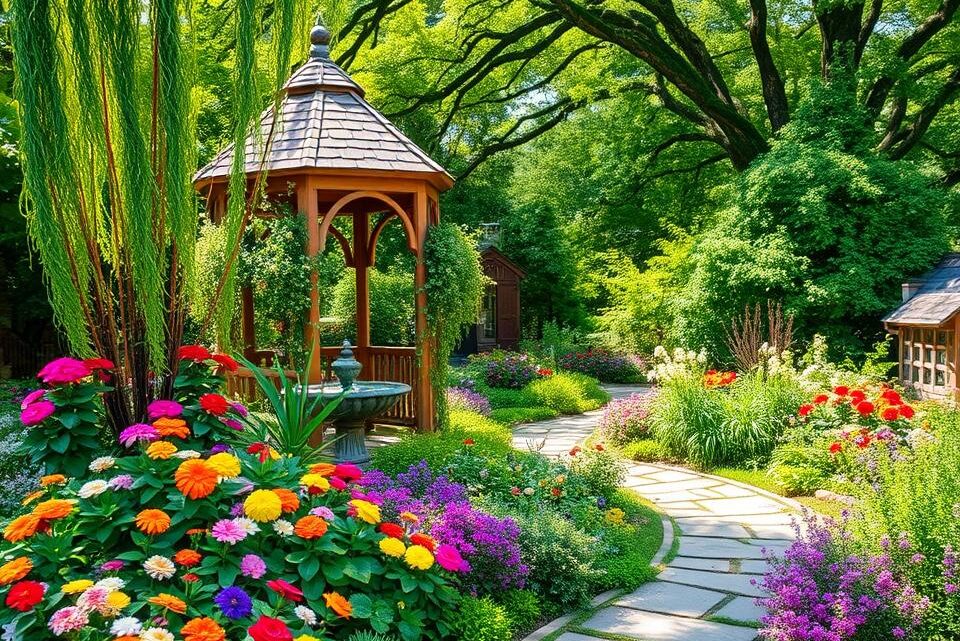
Many homeowners dream of a beautiful outdoor area but worry about the potential expense. The good news is that a stunning transformation does not require a huge budget. With clever planning and creative thinking, anyone can achieve remarkable results.
This holds true whether one has a small city plot or a larger, more spacious garden. There are numerous affordable strategies available to refresh and revitalise any plot of land. The key lies in smart choices and a bit of imagination.
This comprehensive guide explores budget-friendly approaches that blend practicality with visual appeal. It covers solutions for various sizes and personal styles. Readers will discover everything from simple DIY projects to clever upcycling opportunities.
The article also delves into strategic planting choices and effective space optimisation techniques. The goal is to create an inviting and functional area that becomes a cherished retreat. It is entirely possible to build a space for relaxation and entertaining without overspending.
Inhaltsverzeichnis
Key Takeaways
- A beautiful garden transformation is achievable without a substantial financial investment.
- Clever planning and creative thinking are more important than a large budget.
- Strategies are available for all garden sizes, from compact urban spaces to larger areas.
- The guide covers a range of ideas, including DIY projects, upcycling, and smart planting.
- The focus is on creating a functional and visually appealing outdoor living space.
- Solutions range from quick, simple projects to more strategic, longer-term improvements.
- Personally revitalising one’s outdoor area offers a great sense of accomplishment.
Inspiration for a Stunning Garden Makeover
The journey to revitalising a plot starts with fresh perspectives and imaginative thinking. Creative concepts can transform any outdoor area into something special. Homeowners should explore various styles to find what resonates.
Exploring Creative Garden Concepts
Different garden styles offer unique inspiration for personal spaces. Cottage gardens provide charming, informal looks with abundant flowers. Contemporary designs focus on clean lines and minimal planting schemes.
Traditional layouts create structured, elegant spaces with symmetrical patterns. Each style brings distinct character and visual interest. Choosing the right approach depends on personal taste and architectural harmony.
Utilising Recycled Materials and Upcycling
Repurposing items offers environmental and financial benefits. Old materials find new life in creative garden projects. This approach reduces waste while adding unique character.
Wooden pallets work well for vertical gardens or raised planters. Rubber tyres become colourful, quirky containers for flowers. Even household items like plastic bottles can serve as protective cloches.
| Material | Garden Use | Benefits |
|---|---|---|
| Wooden Pallets | Vertical planters, furniture | Inexpensive, versatile |
| Rubber Tyres | Planters, garden borders | Durable, weather-resistant |
| Plastic Bottles | Self-watering planters | Water conservation |
| Egg Boxes | Seed starters | Biodegradable, organised |
Salvage yards and charity shops offer affordable material sources. Documenting transformation processes creates personal satisfaction. These projects make outdoor spaces truly unique and meaningful.
Garden Makeover Ideas to Spruce Up Your Garden
Thoughtful investment in key areas can produce stunning visual results while maintaining budget constraints. Homeowners have numerous options for enhancing their outdoor space without excessive spending.
Budget-Friendly Tips for Transforming Your Space
Prioritising long-term value represents a smart way to approach garden improvements. Quality tools and perennial plants offer better returns than temporary solutions.
Rainwater collection provides both economic and environmental benefits. A single water butt can save thousands of litres annually while supplying plants with nutrient-rich water.
| Strategy | Initial Cost | Long-Term Value |
|---|---|---|
| Perennial Plants | Medium | Yearly return, minimal replacement |
| Seed Starting | Low | Substantial savings, full growth cycle |
| Water Butt | Low-Medium | Water savings, plant health benefits |
| Quality Tools | Medium-High | Durability, better performance |
Incorporating DIY Solutions
Basic DIY skills empower homeowners to tackle projects confidently. Online tutorials and community workshops provide accessible learning opportunities.
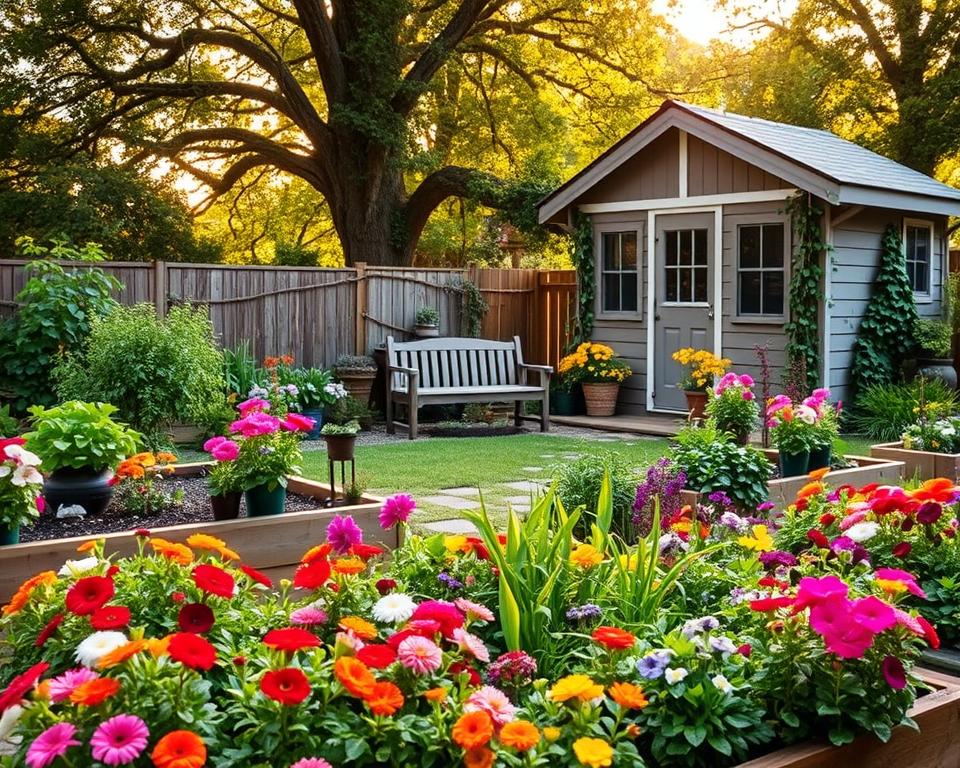
Building raised beds from reclaimed timber creates defined planting areas. Simple stepping stone paths enhance patio access while adding visual interest.
Phased implementation allows spreading costs over time. This approach makes substantial transformations more manageable for any budget.
Learning basic construction techniques opens up countless affordable improvement possibilities.
Local gardening communities offer plant sharing and advice networks. These connections reduce costs while building valuable social support systems.
Refreshing Your Outdoor Space with Painting and Lighting
Strategic use of colour and illumination offers immediate visual impact with minimal financial outlay. These approaches transform tired boundaries and create atmospheric evening settings.
Revitalising Garden Fences with a Splash of Colour
A fresh coat of paint protects wooden surfaces from weather damage. It also turns functional boundaries into striking design features.
Dark shades like charcoal or forest green make foliage stand out dramatically. Lighter tones such as sage or soft grey create calming atmospheres in compact areas.
| Colour Strategy | Visual Effect | Best For |
|---|---|---|
| Dark Shades | Dramatic contrast | Making plants pop |
| Light Tones | Calming atmosphere | Small spaces |
| Feature Patterns | Artistic statement | Personal expression |

Adding Ambience with Solar-Powered Lights
Solar-powered options require no ongoing electricity costs. They harness free energy during daylight hours.
Position lights along pathways for safe navigation. Highlight seating areas and architectural plants for evening appeal.
Softer, warmer illumination creates inviting atmospheres. It is also less disruptive to nocturnal wildlife than harsh white LEDs.
Revitalising Your Garden with Plants and Perennials
Plant selection represents one of the most impactful decisions in landscape design. Choosing perennial plants offers significant long-term benefits over annual varieties.
While perennials may take a year or two to establish fully, they return reliably each year without replacement costs. This makes them economically sensible for any garden budget.

Choosing Low-Maintenance and Colourful Blooms
Excellent low-maintenance options include Coreopsis for cheerful daisy-like flowers, hardy Geraniums for ground coverage, and Asiatic Lilies for dramatic summer colour. These plants deliver consistent performance with minimal intervention.
Since individual perennial flowering periods can be shorter than annuals, diversity is key. Planting selections that bloom sequentially ensures continuous interest throughout seasons.
Architectural plants like cordyline, yuccas, and ornamental grasses provide year-round structure. They’re particularly valuable in a small garden where every plant must earn its place.
Seasonal Planting Strategies for Year-Round Appeal
Strategic planting creates visual appeal across all seasons. Combine spring bulbs with summer perennials and autumn-flowering sedums.
In beds and pots, layered schemes combining different heights and textures work beautifully. Make sure to include winter-interest specimens with evergreen foliage.
Softwood cuttings taken between March and August offer cost-free propagation. This technique works well with plants like salvias and penstemons, expanding collections over time.
Enhancing Functionality Through DIY Projects
Practical do-it-yourself projects offer a powerful way to enhance outdoor functionality. They develop valuable skills while achieving substantial savings compared to professional services.
Building Composters and Vertical Gardens
Constructing a composter transforms kitchen scraps into rich soil amendment. This process reduces landfill waste while improving plant health naturally.
Home composters balance green and brown materials for efficient decomposition. Proper moisture levels ensure successful nutrient production for the entire garden.
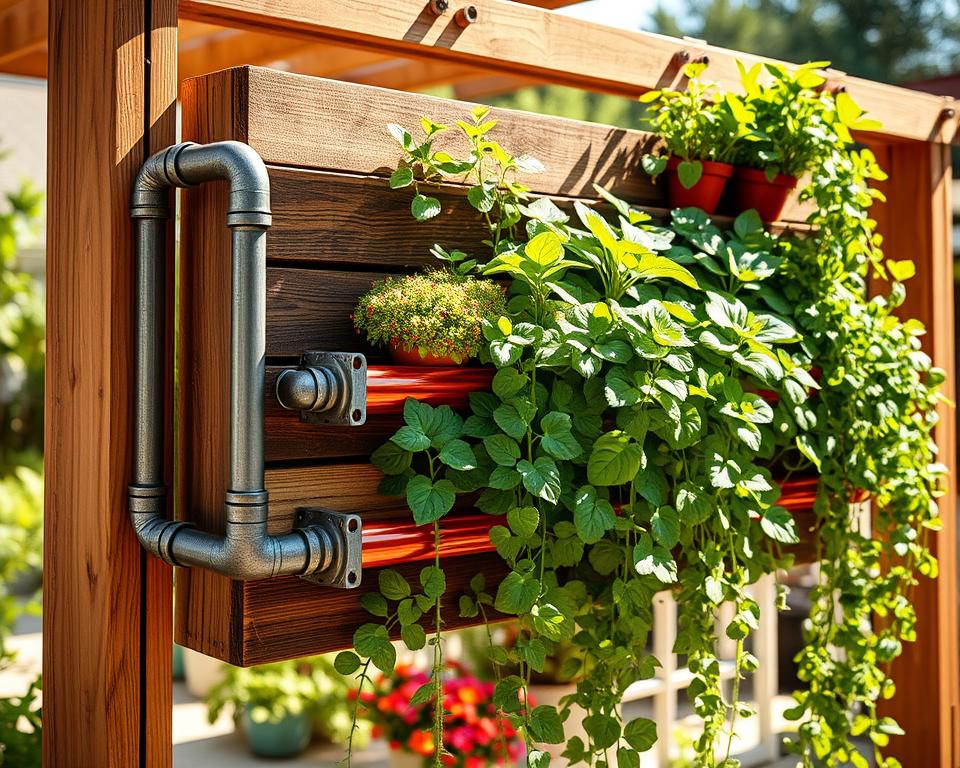
Vertical gardening maximises growing space on underutilised walls. This approach proves particularly valuable in compact urban settings.
Methods include installing trellises for climbing plants like Wisteria. Mounting individual planters at different heights creates dynamic displays. Old ladders can be repurposed as tiered stands for pots.
Transforming Old Furniture into Garden Features
Restoring tired wooden pieces offers significant savings over new purchases. Simple sanding, treating, and painting revitalises existing garden furniture.
Creative upcycling possibilities include converting chairs into whimsical planters. Wooden crates become rustic storage solutions for outdoor spaces.
Vintage metal items transform into distinctive garden ornaments. These DIY approaches allow complete customisation to suit personal styles.
The result is a unique outdoor area reflecting individual creativity. Functional improvements blend seamlessly with aesthetic enhancements.
Optimising Small Garden Spaces and Urban Retreats
Urban gardens present unique opportunities for creative expression despite their spatial limitations. Compact areas demand strategic thinking to maximise both visual impact and practical functionality.
Space-Saving Solutions for Compact Areas
Challenging conventional assumptions can yield significant benefits. For households without children, replacing lawn with generous borders and hard surfaces reduces maintenance dramatically.
This approach eliminates regular mowing and frees up valuable storage space previously occupied by equipment. Permeable paving options provide environmentally conscious surfaces for patios and pathways.
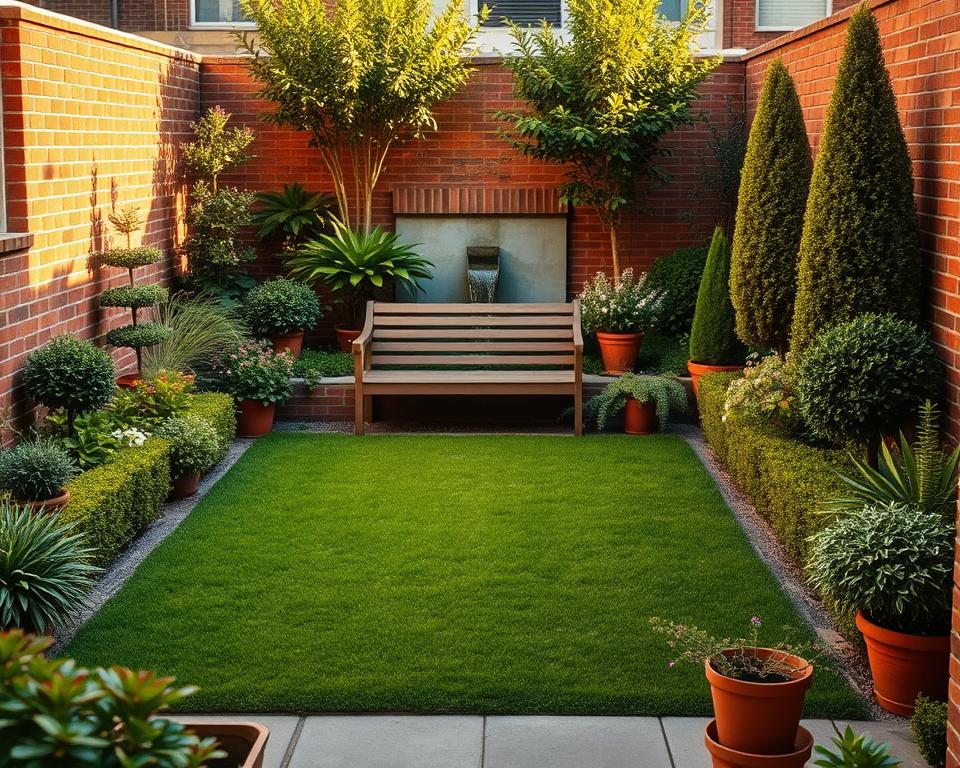
Container gardening proves particularly effective in urban settings. Larger pots retain moisture better than smaller containers, requiring less frequent watering. Grouping plants in substantial containers allows complete control over growing conditions.
Vertical solutions maximise planting opportunities without consuming ground space. Wall-mounted planters and climbing plants create dynamic displays. Multi-functional furniture like storage benches serves dual purposes efficiently.
Raised beds with integrated seating edges optimise limited areas beautifully. These strategic choices transform compact spaces into sophisticated urban retreats.
Low-Maintenance Strategies for a Year-Round Garden
A truly sustainable outdoor space is one that thrives with minimal intervention. The key lies in smart planning and choosing elements that work with nature, not against it. This approach saves time and resources while creating a beautiful retreat.
Focusing on hardy, well-suited plants and efficient maintenance techniques forms the foundation. This strategy ensures the area remains appealing throughout the seasons.
Smart Plant Pairings and Mulching Techniques
Adhering to the ‘right plant, right place’ principle is fundamental. Lavenders and Mediterranean herbs excel in sunny, dry spots, while ferns and hostas prefer shady, moist areas. Matching plants to their conditions ensures they thrive with less work.
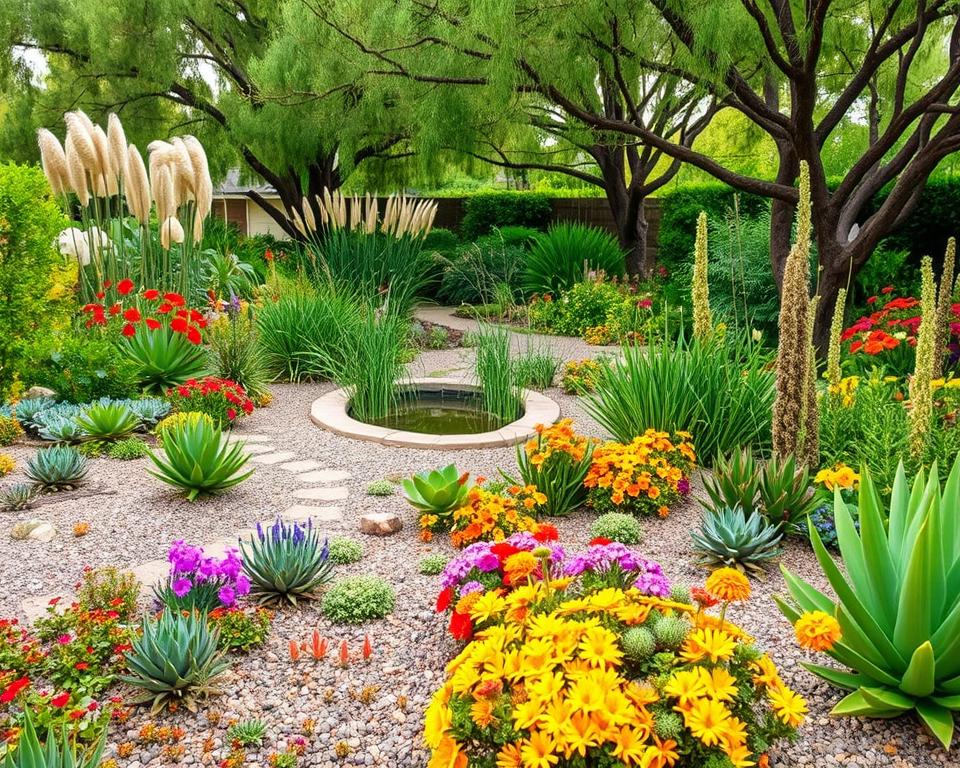
Hardy shrubs and evergreen plants provide excellent structure and year-round interest. They form a lasting backbone for the garden, requiring no annual replacement.
Groundcover plants are invaluable. They spread to form dense mats that naturally suppress weeds by blocking light. This dramatically cuts down on weeding time.
Mulching is a powerful technique. Applying a layer of organic materials like bark chippings or inorganic gravel over bare soil offers multiple benefits. It prevents weed growth, retains soil moisture, and gives a neat, finished look.
Water-Saving Tips and Efficient Garden Care
Efficient water use is crucial for a low-maintenance space. Grouping plants with similar water needs together allows for targeted irrigation. Drought-tolerant varieties are perfect for drier areas.
Installing permanent lawn edges with bricks or gravel eliminates the need for frequent trimming after mowing. This creates clean lines with less effort.
Embrace a degree of natural informality. Designs with relaxed planting styles and informal surfaces like gravel paths are more forgiving. They hide the occasional weed or fallen leaf better than formal designs.
Seasonal maintenance should work with natural cycles. Leaving some seed heads standing through winter provides habitat for wildlife and structural interest. A simple cut back in early spring is all that’s needed.
Conclusion
Personal satisfaction comes from gradually shaping an outdoor environment that reflects individual style and needs. This guide has shown that remarkable transformations rely more on creativity than substantial financial investment.
The various ideas presented offer ways to enhance any space, from quick updates like painting furniture or adding lights to long-term strategies with perennial flowers. These approaches work for compact patio areas or more spacious back garden settings.
Starting with manageable diy projects builds confidence over time. Whether reshaping a lawn, creating seating areas, or using gravel for low maintenance, each improvement adds value.
Gardens naturally evolve, allowing phased implementation that spreads effort and cost. This prevents feeling overwhelmed by attempting complete change at once.
The ultimate reward is creating an extension of your home that provides relaxation, entertainment, and personal expression. Your outdoor space becomes a true reflection of your vision.
FAQ
What are some budget-friendly ways to start refreshing an outdoor space?
A simple yet effective approach involves applying a fresh coat of paint to fences or walls, which instantly revitalises the area. Incorporating solar-powered lights along pathways and adding colourful, low-maintenance plants in pots are other cost-effective methods to create visual interest.
How can one add colour to a garden without extensive planting?
Introducing vibrant hues is easily achieved through colourful planters, brightly painted furniture, or a feature wall. Using gravel or decorative stones in contrasting colours can also define spaces and add a dynamic element to the landscape.
What are smart strategies for a low-maintenance garden?
Opting for perennial plants that return each year reduces replanting efforts. Applying a layer of mulch to beds helps retain moisture and suppress weeds. Additionally, choosing durable materials for patios and selecting self-sufficient plants suited to the local climate minimises ongoing care.
Can small gardens still feel spacious and functional?
Absolutely. Utilising vertical space with wall planters or trellises maximises planting area without cluttering the ground. Choosing multi-functional furniture, such as seating with built-in storage, and using light colours for surfaces can make a compact area feel more open and organised.
How can lighting enhance an outdoor area?
Strategic lighting extends the usability of a space into the evening. Solar-powered options are energy-efficient and easy to install. Placing lights along paths improves safety, while spotlighting a feature tree or using festoon lights over a patio creates a welcoming ambience.
What are some simple DIY projects for garden improvement?
Building a simple composter from wooden pallets helps recycle green waste. Upcycling an old ladder into a vertical plant stand or painting terracotta pots with weather-resistant paint are straightforward projects that add character and functionality.
How important is planning before starting a garden project?
Careful planning is crucial. It helps set a realistic budget, prioritise tasks, and ensure the chosen plants and materials are suitable for the space and local conditions. A well-thought-out plan prevents costly mistakes and guides the project smoothly from start to finish.