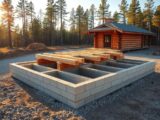
How to Build a Shed Base on a Slope
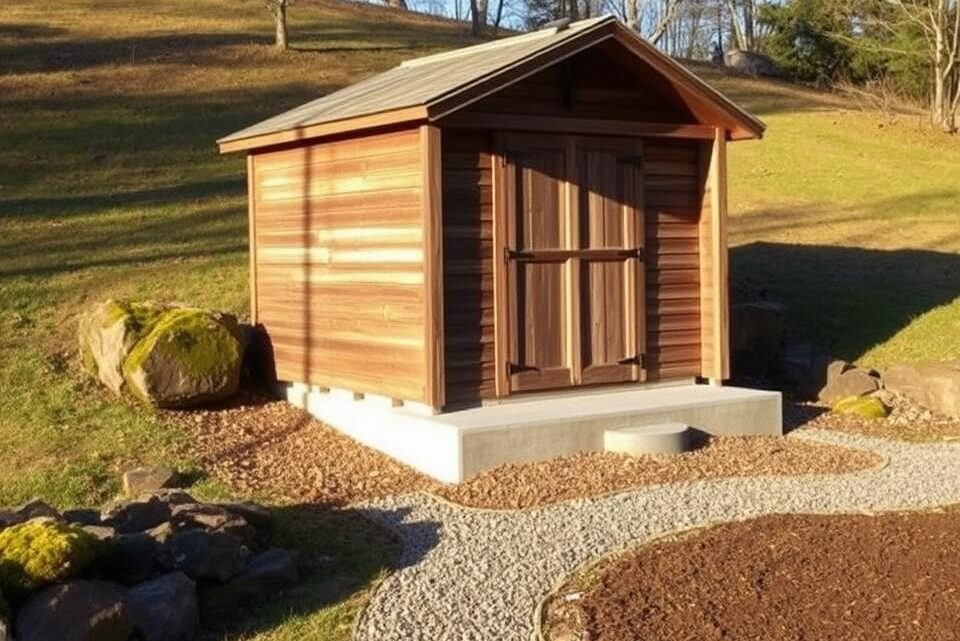
Many garden enthusiasts dream of adding a sturdy shed to their outdoor space. This structure offers valuable storage and can become a workshop or peaceful retreat. However, the ideal scenario of a perfectly flat garden is not a reality for everyone.
Encountering a slope or uneven ground is a frequent challenge. It can cause concern for those planning a new shed project. A level foundation is critical for the longevity and stability of any outdoor building.
Fortunately, a sloped site does not mean the project must be abandoned. With the correct approach and careful preparation, constructing a solid base on an incline is entirely feasible. This guide will explore practical techniques to overcome this common obstacle.
Homeowners have several effective options at their disposal. These include using foundation blocks, creating a gravel base, or building a small retaining wall. Each method can successfully create a stable platform for your shed on a slope.
Inhaltsverzeichnis
Key Takeaways
- A level foundation is essential for the stability and durability of any garden shed.
- Sloped or uneven terrain is a common issue that can be successfully managed.
- Proper planning and site assessment are the first crucial steps in the process.
- Several proven techniques exist for creating a stable base on an incline.
- This project is achievable for many homeowners with the right guidance.
Introduction to Shed Base Construction on Uneven Ground
Before the first panel is assembled, the most critical phase of construction begins at ground level. Establishing a perfectly flat and stable foundation is not merely a suggestion; it is the single most important factor for the longevity and performance of the entire structure.
Overview and Importance of a Level Base
A level base ensures the garden building sits squarely, distributing weight evenly. This prevents the frame from twisting over time, which can misalign walls and cause doors and windows to malfunction.
Effective drainage is another crucial benefit. A flat surface directs water away, stopping pooling that can rot timber and weaken the foundation. Many sheds are designed to sit slightly raised, promoting air circulation beneath the floor to prevent damp and mould.
Role of Proper Preparation in Shed Longevity
Proper preparation simplifies the initial build. Panels align correctly, and fixings seat properly, making assembly smoother. This careful start pays dividends for many years.
A well-prepared shed base maintains the building’s squareness. This prevents doors from dropping and windows from warping, ensuring the structure remains functional and aesthetically pleasing. Investing time in this foundational step protects your investment from the ground up.
Understanding Uneven Ground and Slope Challenges
A successful garden building project hinges on a thorough initial assessment of the site’s specific conditions. This evaluation is not a mere formality but the critical foundation for selecting the most appropriate construction method. Understanding the slope and composition of the ground directly influences the stability and longevity of the entire structure.
Assessing Your Site’s Slope
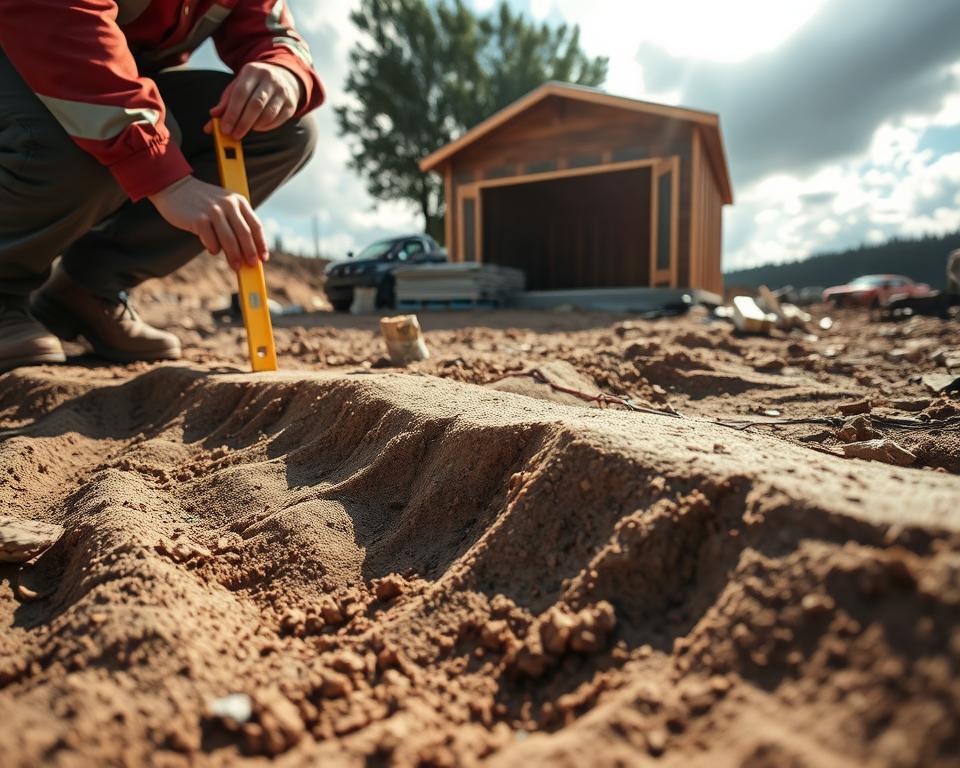
Accurately measuring the incline is the first practical step. A simple technique involves setting stakes at each corner of the proposed shed area. Tie a string from the stake at the highest point to the opposite corner.
Measure the vertical distance from the string down to the ground at both ends. The difference between these two measurements reveals the severity of the slope.
- Minimal slope: Presents a straightforward challenge, often requiring less excavation.
- Steeper gradient: Demands more extensive work, either cutting into the ground or building up to create a level surface.
Evaluating Ground Conditions and Drainage
Beyond the incline, the quality of the soil is paramount. The ideal location is on undisturbed ground. Avoid recently backfilled areas, as settling over time can cause the base to become unlevel.
Check for good natural drainage to prevent water from pooling around the structure. Poor drainage can undermine even a well-built foundation. Also, clear the site of any obstructions or debris.
Safety is essential. Before any digging, contact the free 811 service to locate underground utility lines. This prevents dangerous accidents and costly damages.
How to Build a Shed Base on a Slope
Achieving a durable foundation on sloped land demands careful attention to detail throughout the construction process. Each phase builds upon the previous one, creating a solid platform for the entire structure.
Step-by-Step Preparations
Begin by measuring the exact dimensions of your shed’s footprint. Use wooden posts to mark each corner and stretch string lines between them. This creates straight guidelines for the entire project.
Next, prepare the ground by removing the top layer of soil. Excavate to create a flat surface, clearing away rocks and debris. Mark four rows where foundation blocks will be positioned.
Dig holes two inches wider and six inches deeper than your blocks. Fill each hole with pea gravel, compacting it firmly as you go. This creates a stable base with excellent drainage properties.
Key Techniques for a Stable Foundation
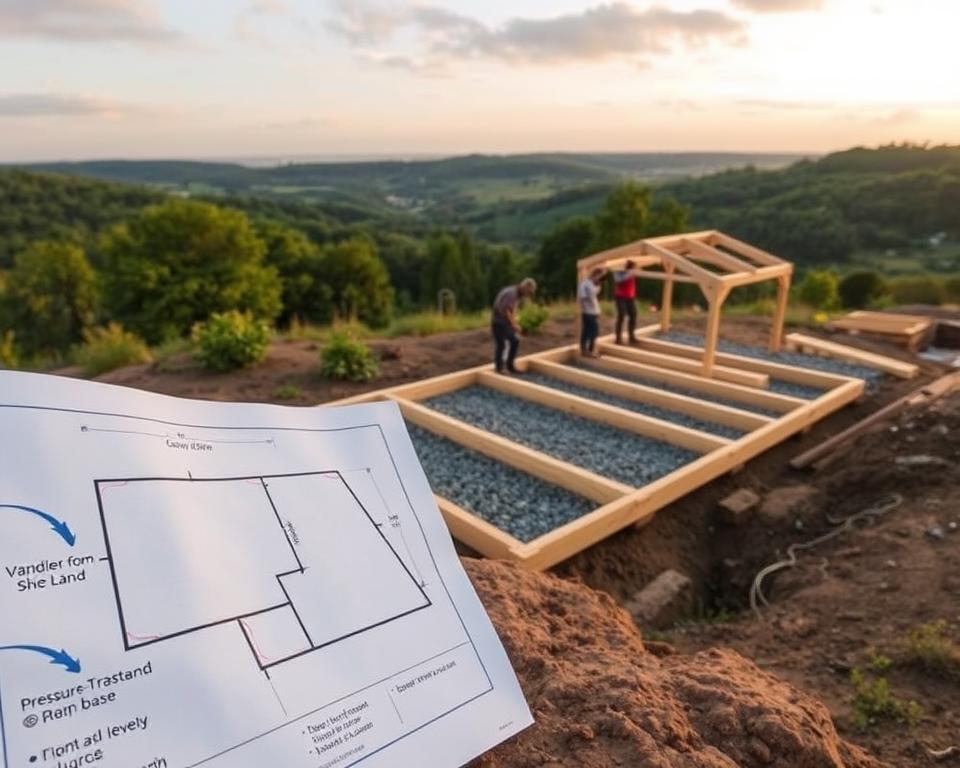
Position treated timber planks along the rows of blocks. Use a spirit level to check their alignment constantly. Adjust individual blocks as needed to achieve a perfectly flat surface.
Finally, place the base components on top of the levelled timber panels. Work systematically from one side to the other. Secure everything with appropriate screws to complete the installation.
Taking time to ensure accuracy at each stage prevents problems later. Precise measurements and level components guarantee a stable foundation for years to come.
Materials and Tools Needed for Construction
Gathering the correct equipment before starting is crucial for a smooth construction process. Having all necessary materials and implements on hand prevents frustrating mid-project delays. This preparation ensures the installation proceeds efficiently from start to finish.
Recommended Materials and Their Benefits
Masonry blocks form the primary support for the structure. They provide essential stability on uneven ground. Pressure-treated timber planks create a sturdy perimeter frame, adding significant structural integrity.
Using pea gravel as a base layer offers a dual advantage. It improves drainage while creating a stable bed for the foundation blocks. Additional essential materials include ½” rebar for anchoring and stabilisation fabric to prevent weed growth.

These components work together to create a durable foundation. They resist moisture and decay, which is vital for long-term performance. Selecting quality materials protects the entire investment.
Essential Tools for Precise Installation
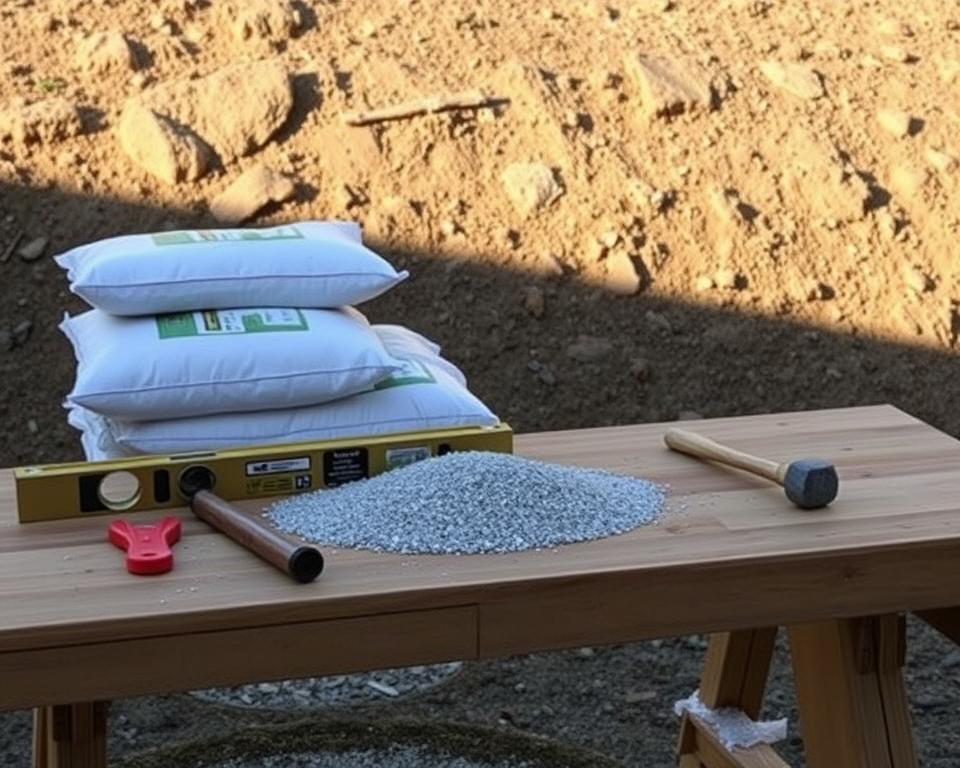
Accurate work requires the right implements. A measuring tape and a reliable spirit level are indispensable for achieving a perfectly level surface. A tamper is necessary for compacting the gravel base firmly.
A drill with an auger bit facilitates secure rebar placement. While the initial tool cost may seem substantial, many items are reusable for future projects. This investment contributes directly to a professional-quality result.
Safety should never be compromised. Personal protective equipment, including safety glasses and gloves, is a non-negotiable part of any toolkit. Proper gear ensures the project is completed without incident.
Foundation Options for a Stable Shed Base
The choice of foundation method plays a pivotal role in ensuring structural stability on challenging terrain. Homeowners face several viable options when dealing with uneven ground.
Using Concrete, Gravel and Blocks
A gravel foundation with a lumber perimeter often proves ideal for uneven ground. This option offers excellent drainage properties, preventing water from pooling. The gravel absorbs moisture effectively, reducing the risk of mould developing on timber components.
Concrete foundations serve better for garage-style structures or in colder climates. They provide resistance against frost heave, which can disrupt less substantial bases. Local regulations sometimes mandate this type of concrete foundation for permanent installations.
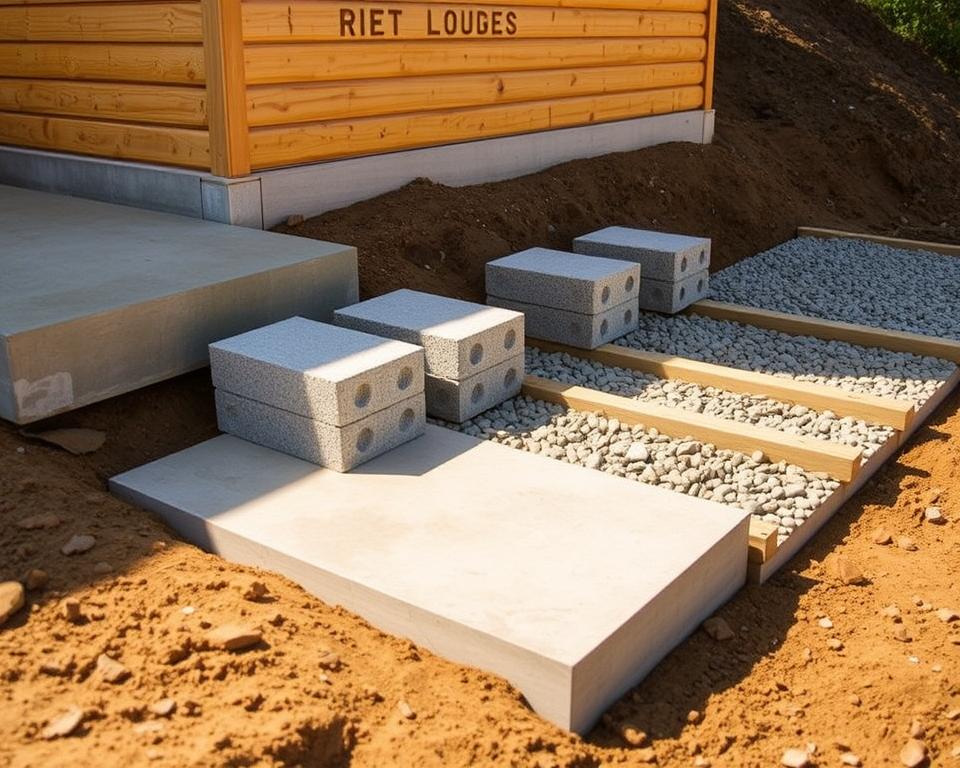
Advantages of Retaining Walls and Foundation Blocks
Concrete blocks offer remarkable versatility for sloped sites. These concrete blocks come in various sizes and can be stacked to accommodate height differences. Their solid construction ensures long-term durability.
For steeper gradients, a retaining wall provides essential support. This method involves excavating soil to create a level surface. Proper installation includes drainage pipes to prevent water accumulation behind the wall structure.
Drainage, Levelling and Installation Tips
The longevity of a garden structure depends significantly on two critical factors: effective drainage and a perfectly level foundation. These elements work together to ensure structural integrity over time.
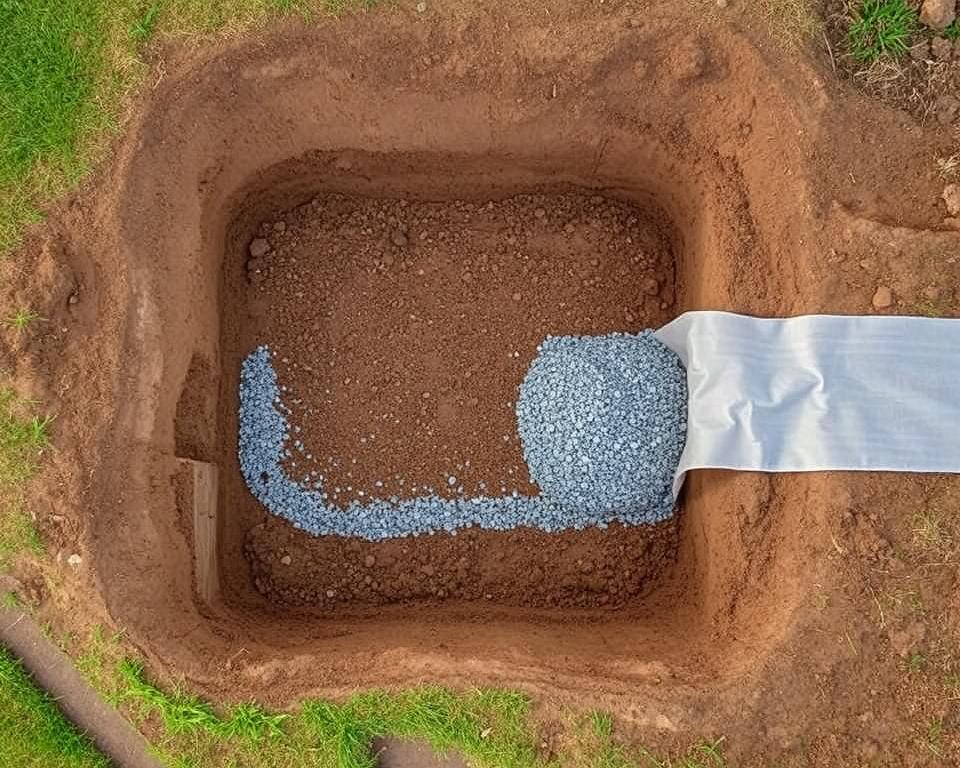
Effective Drainage Solutions for Sloped Sites
Proper water management prevents damage to both the foundation and the building itself. Installing drainage pipes behind retaining walls channels water away efficiently. This system stops water accumulation that could weaken the structure.
Good drainage is particularly vital for timber constructions. It helps prevent rot and maintains the wall’s strength. The investment in proper drainage pays dividends for years.
Methods to Achieve a Level Surface
Begin by clearing all vegetation from the working area. Remove grass, weeds and roots completely. This prevents moisture build-up and reduces regrowth risk.
Create an extra border of 30-40cm around the shed footprint. This provides essential working space during installation. Use a shovel to remove high spots and fill low areas.
For precise levelling, lay wooden planks across the ground. Place a spirit level on top to identify uneven sections. When using concrete foundation blocks, arrange them in four rows of three for even weight distribution.
Finally, apply a double-layer weed membrane for maximum coverage. Fill spaces between blocks with pea gravel to create a stable, level surface that supports the floor frame evenly.
Practical Advice and Common Pitfalls
Beyond the technical steps, practical insights can make the difference between a long-lasting structure and a problematic one. This guidance draws from common experiences to help homeowners achieve a successful installation on the first attempt.
DIY Tips for a Successful Installation
Undertaking the project personally offers significant cost savings. Eliminating labour charges provides financial freedom to select more affordable, quality materials. While it requires personal time and effort, the satisfaction of completing the project by hand is substantial.
The single most critical factor is ensuring the shed base is perfectly level. This guarantees stability, maintains structural integrity, and prevents water build-up. When using a retaining wall, position the shed at a distance to allow space for manoeuvring and maintenance.
Mistakes to Avoid on Uneven Ground
A common error is using simple concrete bases as a quick fix. While easy to install, they may not support the central weight over time, compromising the shed foundation. They also create spaces for critters and allow weeds to grow.
Selecting the right type of base is crucial. A gravel foundation is an excellent option for wooden shed floors and DIY projects. A concrete foundation is better for garage-style sheds or when codes require it.
Before construction, check that diagonal measurements match to ensure the layout is square. Finally, allow the completed base to settle for a few days before placing the shed on top.
Conclusion
Constructing a reliable foundation on a slope is a clear demonstration of thoughtful garden planning. Whether the chosen method involves foundation blocks or a retaining wall, the correct type of base ensures stability for years. This principle applies equally to sheds, log cabins, and summer houses.
Selecting the best option depends entirely on the specific characteristics of the uneven ground. Homeowners should carefully assess their site’s gradient and soil composition. The right shed foundation is the single most important factor for the building‘s longevity.
A great shed truly starts from the ground up. Investing time in preparing a perfectly level shed base is never wasted effort. This careful approach guarantees that the entire structure remains square, stable, and durable.
With the shed bases and techniques outlined, homeowners can approach their project with confidence. The challenges of a sloped site are entirely manageable with proper preparation. A well-built foundation is the best way to protect your garden investment for the long term.
FAQ
Why is a level foundation so important for a shed on a slope?
A level foundation is critical because it ensures the shed’s structural integrity. Without it, walls and doors can warp, the floor may twist, and the entire building becomes unstable. A properly prepared base distributes the shed’s weight evenly, preventing long-term damage and ensuring the structure lasts for years.
What is the first step in preparing a sloped site for a shed base?
The first step involves a thorough site assessment. This includes measuring the degree of slope and evaluating the ground conditions, such as soil type and natural drainage. Understanding these factors is essential for choosing the correct construction method and materials for a successful installation.
What are the best foundation options for building on uneven ground?
For uneven ground, popular and effective options include concrete piers with a gravel base, interlocking concrete foundation blocks, or a full concrete slab. These systems can be adjusted to accommodate the slope, providing a stable, level surface for the shed floor while promoting excellent drainage.
How can I ensure proper drainage for a shed base on a slope?
Effective drainage starts with a base layer of compacted hardcore or pea gravel. This layer allows water to percolate away, preventing pooling under the shed. On a slope, it is also wise to consider directing water flow away from the foundation using land grading or simple French drains.
What is a common mistake to avoid when building a shed base on uneven ground?
A frequent error is failing to compact the ground and sub-base adequately. Loose soil or gravel will settle over time, causing the shed base to become uneven. Using a spirit level frequently during construction and compacting each layer thoroughly are vital steps to avoid this issue.