How to Turn a Shed or Log Cabin into a Beauty Salon
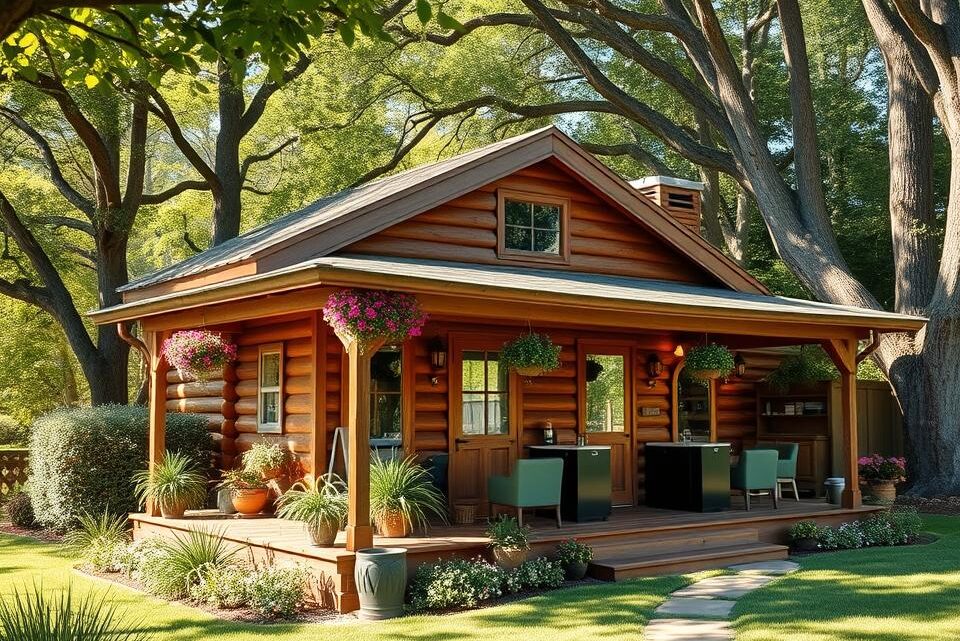
For many beauty professionals, the dream of running their own business is often hindered by the high costs of commercial premises. An increasingly popular solution in the UK involves utilising garden space. Transforming a shed or log cabin into a fully functional beauty salon offers a path to independence without significant financial strain.
This approach provides a private, dedicated workspace separate from the main home. Entrepreneurs like Smita Ahluwalia in North London and Louise Tilden in Somerset have successfully created these garden salons. They achieve an excellent balance between their professional and personal lives.
While a standard wooden shed requires considerable upgrades, a log cabin often presents a sturdier starting point. Newer models can include built-in insulation, making them more suitable for client comfort. This comprehensive guide will walk through every stage of the conversion process.
Establishing a professional salon space demands careful planning and adherence to regulations. However, the investment is achievable and can lead to a rewarding business venture. This article covers essential considerations, from structural assessments to design tips from those who have done it.
Inhaltsverzeichnis
Key Takeaways
- Converting a garden structure into a salon is a cost-effective way to start a beauty business.
- It offers beauty professionals independence and a better work-life balance.
- Log cabins often provide a more robust foundation than basic sheds for this purpose.
- Successful examples exist across the UK, demonstrating the concept’s viability.
- Careful planning and compliance with regulations are crucial for a professional result.
- The process involves structural upgrades, utility installation, and thoughtful design.
Understanding the Unique Potential of a Garden Salon
Operating a salon from a garden building offers a distinct advantage over traditional setups. It provides a dedicated professional space that is separate from the main home. This separation is crucial for establishing clear boundaries.
For clients, this arrangement ensures privacy and a sense of exclusivity. They receive professional beauty treatments in a tranquil setting. This enhances their overall experience.
Benefits of a Private Salon Space
A key benefit is the improved work-life balance. Professionals can literally leave work behind at the end of the day. This physical separation supports mental well-being.
Financially, it often presents a more affordable option than leasing a high-street location. The business owner gains greater control over their schedule and operational costs.
Key Considerations for Space and Ambiance
Effective planning is essential. The space must be both functional and inviting. Adequate room for different services is a priority.
Ambiance plays a vital role in client satisfaction. Factors like lighting, temperature control, and acoustics are non-negotiable. The goal is to create a serene and professional atmosphere.
As one professional noted, “It’s wonderful to have a workspace that’s not directly connected to the house”. This separation benefits both the practitioner and their clients.
How to Turn a Shed or Log Cabin into a Beauty Salon
Choosing between a standard shed and a purpose-built log cabin involves significant differences in required upgrades and final functionality. The right selection impacts both initial investment and long-term operational comfort.
Proper assessment ensures the chosen structure meets professional standards. This evaluation considers durability, space requirements, and modification needs.
Assessing the Structure: Shed Versus Log Cabin
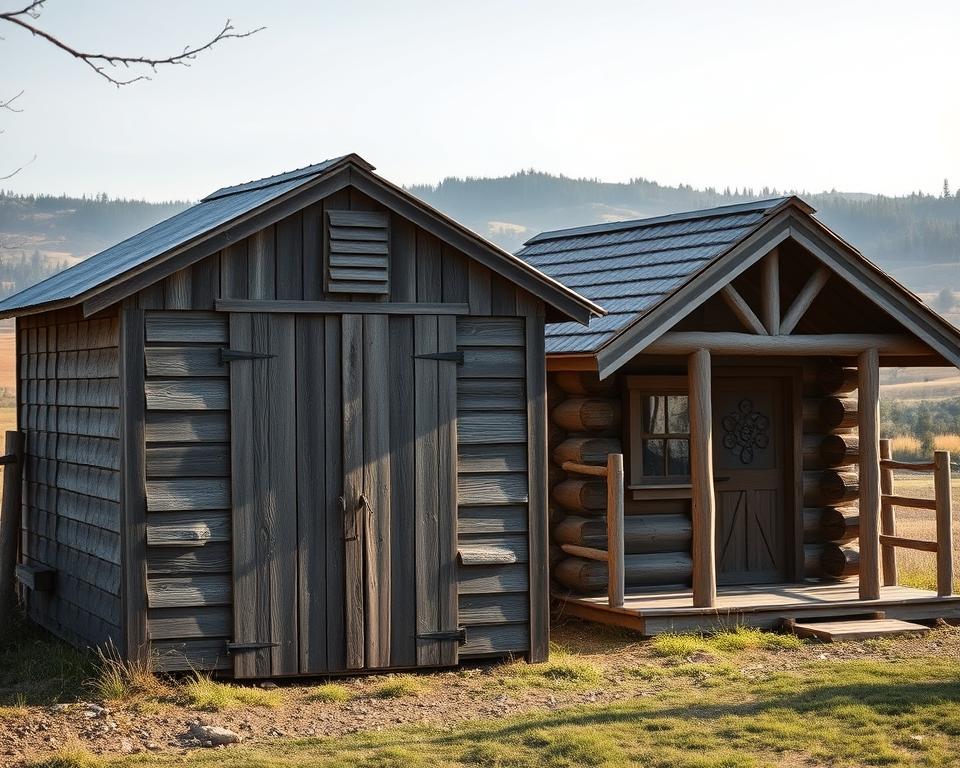
A basic garden shed typically serves as storage rather than a habitable space. These structures often lack proper insulation and may need substantial reinforcement.
In contrast, modern log cabins offer sturdier construction from the outset. Their thicker walls provide better thermal performance and structural integrity.
| Feature | Standard Shed | Log Cabin |
|---|---|---|
| Initial Insulation | Minimal or none | Often included |
| Structural Strength | Basic framework | Reinforced construction |
| Headroom Capacity | Limited height | Generous clearance |
| Equipment Support | Lightweight only | Heavy-duty capable |
Essential Upgrades for Year-Round Comfort
Proper insulation represents the most critical upgrade for any garden building conversion. Without it, the space becomes unusable during extreme weather.
Ventilation systems manage humidity and maintain air quality. This is particularly important when using beauty products that release fumes.
Electrical and water installations require professional assistance. Qualified electricians and plumbers ensure compliance with building regulations.
Heating and cooling solutions maintain consistent temperatures. This guarantees client comfort throughout different seasons.
Designing and Furnishing Your Salon for Success
The interior design phase transforms a structural shell into a welcoming professional environment. Every choice should reflect the business identity while ensuring practical functionality.
Creating a Cohesive Brand Identity
Clients form impressions from the moment they approach the garden building. A clear sign by the door establishes professionalism immediately.
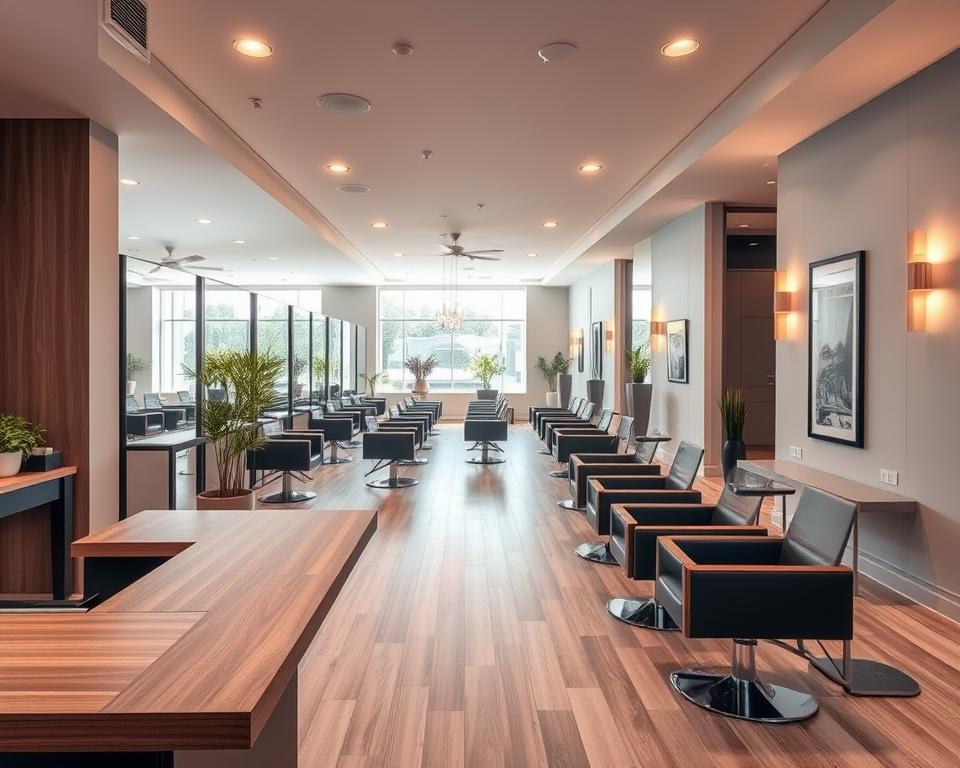
Consistency matters throughout the space. Selecting one signature colour for styling chairs and repeating it on shelf trims creates visual harmony. Sensory elements like background music and subtle scents contribute significantly to the atmosphere.
Salon Furniture and Functional Décor
Invest in durable, easy-to-clean furniture that withstands daily use. A mobile trolley with drawers keeps essential tools organised and accessible.
Shelving units provide necessary storage for clean towels and beauty products. Proper lighting is crucial—combine bright overhead fixtures with task lamps at each station.
Strategic Layout for Client Flow
Plan the room layout based on the services offered. A single styling chair suits most garden salon setups, while larger cabins might accommodate additional stations.
Create distinct zones for different treatments. Louise Tilden’s design includes separate areas for services and client preparation, ensuring privacy and smooth movement between spaces.
Utilities, Safety, and Planning Essentials
The transition from a basic garden structure to a fully operational beauty business hinges on meticulous attention to technical and regulatory details. This phase ensures the salon is safe, comfortable, and legally compliant for both the owner and clients.
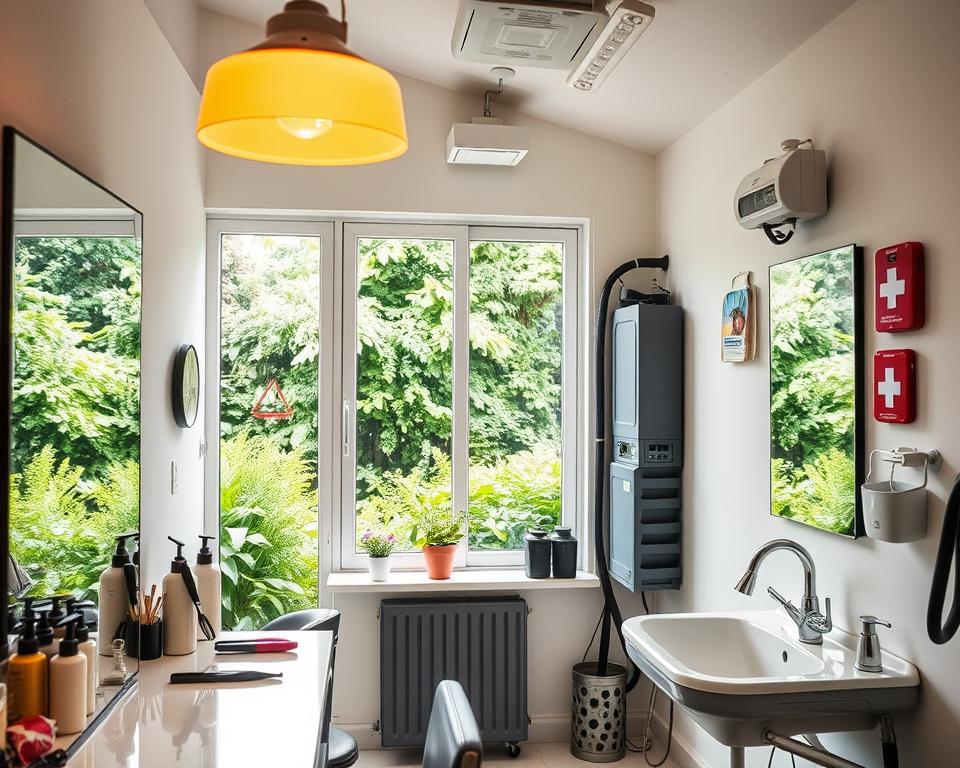
Insulation, Heating, and Ventilation Requirements
Proper insulation is non-negotiable for year-round comfort in garden rooms. It prevents heat loss in winter and keeps the space cool in summer.
Small electric radiators or portable heaters are ideal for heating. Good ventilation, like an extractor fan, manages humidity and fumes from beauty treatments, protecting the building from damp.
Electrical, Plumbing, and Water Access Set-Up
All electrical work must be completed by a qualified electrician. You‘ll need ample sockets for dryers and straighteners.
For water supply and drainage, hire a professional plumber. If the log cabin is lower than the main house, a pump system may be required for waste.
Planning Permission and Regulatory Compliance
Check with your local council regarding planning permission. Once clients visit regularly, the structure’s use changes.
Register the business and obtain public liability insurance. Essential safety measures include smoke alarms, fire extinguishers, and robust locks. Never leave cash in the salon overnight.
Conclusion
Establishing a beauty business in a garden log cabin offers a unique path to professional independence. This guide has outlined the key steps, from structural assessment to thoughtful design. The result is a bespoke space that serves clients exceptionally well.
As professionals like Smita Ahluwalia confirm, the separation from the main house enhances focus during work hours. This setup brilliantly supports a healthy work-life balance. The building becomes more than a workplace; it is a valuable asset.
Ongoing success relies on smart marketing and excellent client services. Utilise social media to attract new customers and share updates about your treatments. Ensure your salon is easy to find with clear signage.
With careful planning, your garden salon can provide a rewarding and prosperous career. It is an investment in your future, offering both professional fulfilment and personal flexibility.
FAQ
What are the main benefits of operating a beauty salon from a garden building?
Operating a salon from a garden building offers distinct advantages. It provides a clear separation between work and home life, which many beauty professionals find improves their work-life balance. Clients often appreciate the privacy and tranquil setting a garden room provides, enhancing their overall experience. Furthermore, it can be a more cost-effective option than leasing commercial property.
What size should a garden building be for a beauty salon?
The ideal size depends on the treatments offered. A compact space may suffice for treatments like nails or lashes. However, for services requiring more equipment or client movement, such as spray tans or aesthetics, a larger log cabin is advisable. It is crucial to measure all necessary furniture and equipment to ensure there is adequate space for both the therapist and the client.
Is planning permission required to convert a garden building into a beauty salon?
A> In many cases, a garden salon may fall under ‘permitted development’, meaning planning permission is not needed. However, this depends on specific factors such as the building’s size, its position on the property, and the level of customer traffic. It is essential to consult with the local planning authority to confirm the regulations that apply.
What are the key considerations for utilities in a garden salon?
Reliable utilities are fundamental. The salon will need a safe electrical supply to power lighting, equipment, and heating. If wet treatments are offered, plumbing for running water and drainage will be necessary. Investing in professional installation for all utilities is critical for safety and functionality.
How can a garden salon be made comfortable throughout the year?
Effective insulation is the cornerstone of a comfortable garden salon. Combined with a suitable heating system for winter and adequate ventilation or air conditioning for summer, it ensures a pleasant environment year-round. Proper insulation also improves energy efficiency, reducing running costs.
What steps are involved in the conversion process?
The process typically begins with thorough planning and design. This is followed by preparing the base and organising the building’s delivery. The key stages then involve insulating the structure, installing utilities, and finishing the interior with décor and salon furniture. Finally, setting up robust marketing strategies is essential for attracting clients.
How important is branding for a garden-based beauty salon?
A> Strong branding is vital for standing out in a competitive market. It helps create a professional image and builds trust with potential customers. A cohesive brand identity should be reflected in the salon’s signage, interior design, and online presence to create a memorable and positive impression.
What safety regulations must a garden beauty salon comply with?
The salon must adhere to relevant health and safety legislation. This includes having public liability insurance, maintaining equipment according to manufacturer guidelines, and conducting fire risk assessments. All electrical installations must be certified, and proper hygiene protocols must be in place for all treatments.